The Passenger Is Waiting: A Call to Action for the Future of Public Transportation
By Brad Thomas | 7/1/2026
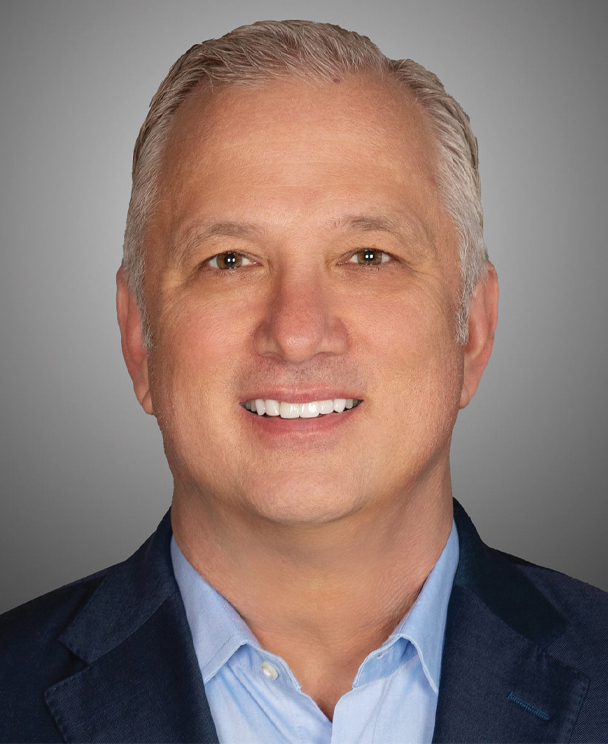
BRAD THOMAS
Chief Executive Officer
Keolis North America
Boston, MA
Public transportation is at an inflection point. The challenges are real, the stakes are high, and the window for bold action is narrowing. As an industry, we have a choice: lead this moment or let it pass us by.
Keolis in North America is the largest private operator of commuter rail service in the United States, operating the Massachusetts Bay Transportation Authority Commuter Rail in Boston since 2014 and Virginia Railway Express since 2010. In Canada, we operate the ION Light Rail for the Region of Waterloo, a system that has become a model for light rail development in North America. We are also the operations and maintenance partner for the ALTO consortium, currently building Canada’s first high-speed rail corridor that will connect Quebec City and Toronto.
Globally, Keolis is the leading operator of driverless metro systems with more than 500 kilometers of metro lines across its portfolio. As a subsidiary of SNCF, one of the world’s most technologically advanced rail organizations, we deliver global expertise and best practices in rail operations, automation, and sustainable mobility to everything we do.
That depth of experience gives us a unique perspective on where this industry is headed. And, with it, a responsibility to ask the hard questions.
Public transportation is facing real headwinds. A need to accelerate electrification across networks, shifting travel patterns, funding pressures, and a talent pool that is harder than ever to fill are challenges no single operator can solve alone. The industry is at a crossroads. And the path forward requires innovative thinking, not incremental adjustments.
Transit networks across the country are managing systems and facilities built for a different era. We can position this industry toward something better—a future state that serves our passengers with more modern, electrified fleets, innovative funding approaches, and an employment offer that attracts the next generation of transportation leaders. The question is not if change is needed. It is when will we begin moving toward a better future and will the investment follow.
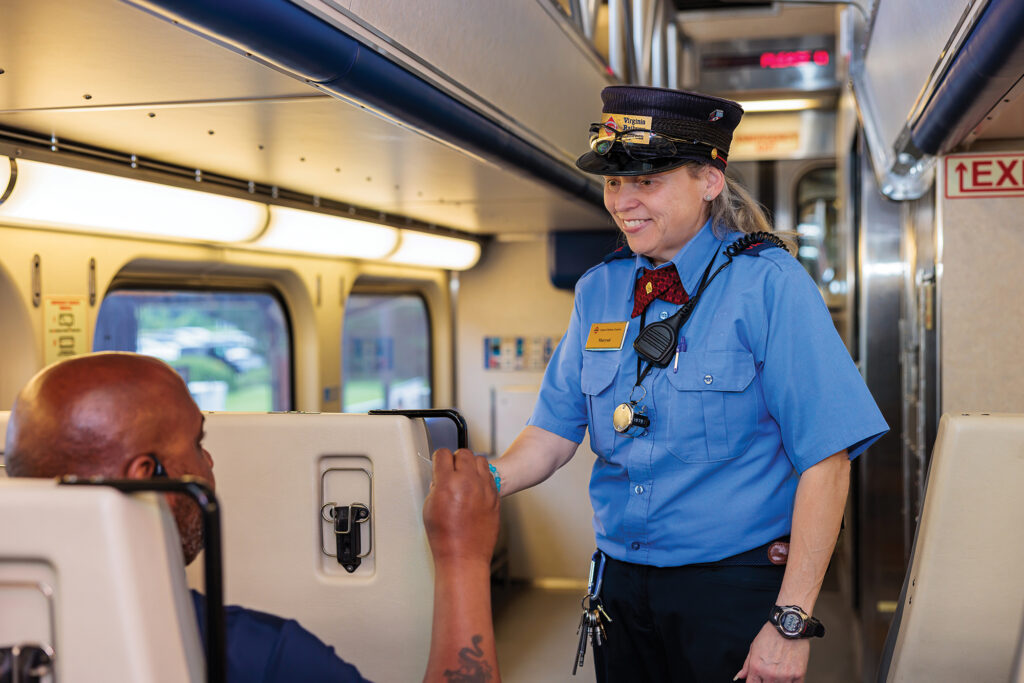
As an industry, we can better serve our communities with a mind shift from thinking like operators to thinking like a passenger. Everything must start with our riders. Does a customer have public transportation options that match their schedule and commute? Are we making it easy, seamless, and worth choosing over a car or a flight? If we cannot honestly answer yes, we have work to do.
The passenger is more focused on reliability and safety. They want a ride that shows up, feels secure, and fits their life. That is the standard we must meet.
This means operating in a way that meets the needs of the modern passenger. Schedules have become much more flexible; no longer is 9-5, five days a week in an office the standard. In response, at one of our commuter rail operations, we transitioned to a clock face scheduling model and redesigned service around how people actually move today. We paired it with flexible fare options built for a workforce that no longer commutes five days a week. Ridership responded. That is what it looks like to think beyond traditional, timetabled service.
Sometimes, thinking like a passenger also means anticipating what they do not even know they need yet. Recently, we developed a tourism program built around commuter rail service, offering curated travel experiences that turn a daily rail line into a gateway for major destinations and events. That is operating like a future-proofed network. That is working to win over the hearts and minds of passengers rather than simply managing a system.
The industry’s real competition is not other public transportation operators or systems. It is the car sitting in the driveway and the airline ticket on a smartphone. And we are losing that competition more often than we should.
Consider the passenger’s calculus. If getting to a rail station requires a car, a bus connection, or a long walk, and then the train only goes so far before requiring another transfer, and the total journey takes longer than simply driving, the passenger will drive. If a flight between two cities takes less than half the time of any available rail option, the passenger will fly. First mile/last mile, frequency, connections, and total journey time are not secondary concerns, they are the product. If we shift our perspective, then we can gain ground over cars or planes and deliver the service riders expect.
In markets where operators have redesigned service around current demand patterns, built real first- and last-mile solutions, and made the data-driven decisions passengers are telling us they need, ridership recovery has outpaced national averages. The passenger is communicating through the data every single day. We must be willing to listen and act on what it is telling us.
There are contracting models that can help align incentives across the industry. Revenue share arrangements, where operators have a direct financial stake in growing ridership, exist in some markets and are far more common in Europe. These models create a direct connection between performance and the success of the system. That kind of alignment changes behavior. It focuses an entire organization on the passenger outcome rather than the service delivery contract alone. Longer contract terms reinforce this, giving operators the runway to propose innovations that directly impact the passenger experience.
The ideas exist. What has slowed progress in many cases is not a lack of vision but a lack of adequate investment to create the change we really need. Gain share and pain share models, private-sector partnerships that bring innovation to the table, and a genuine willingness to try approaches not yet tried before are all part of the answer.
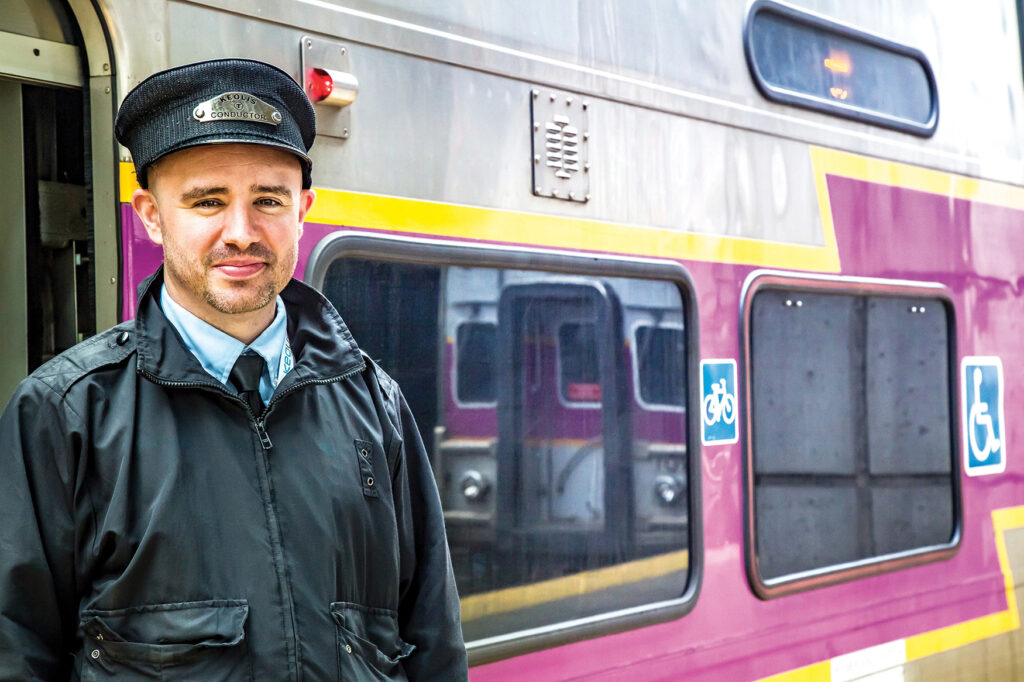
Equally important is investment in the full life cycle of equipment while leveraging innovative solutions. For another network, our maintenance team partnered across sectors to source replacement parts for aging rolling stock using advanced manufacturing techniques, dramatically reducing downtime and extending fleet life without waiting on capital procurement cycles. Small decisions like this, made consistently, can change the trajectory of an entire system.
Taken together, the path forward is clear. Design service around the passenger, compete for riders as aggressively as the car and airline industry already do, align contracts so operators share in ridership growth, and invest in the full lifecycle of our assets. The economic case for getting this right is significant. Rail supply activity alone supports approximately 906,000 jobs in the United States; generates $127 billion in gross domestic product; and produces nearly $30 billion in federal, state, and local tax revenue annually, according to a 2026 Oxford Economics report. Every dollar invested in public transportation generates measurable returns in local business activity, property values, workforce access, and reduced congestion costs. Rail is not just a service. It is infrastructure for economic growth.
But capturing that potential requires a culture shift, not just within individual organizations, but across the entire sector. It requires leaders willing to stand up and say that something must change, that passengers want more, deserve better, and that the time for bold action is now.
Public transportation is the backbone of communities, economies, and a more sustainable future. The passenger is waiting. It is time we let them know we hear them.