Amtrak’s B&P Tunnel Replacement Program Demonstrates Good Neighbor Model
By Liz Rotherham | 10/5/2026

LIZ ROTHERHAM
Government Affairs Intern
Amtrak
Student at the University of Virginia
The Baltimore & Potomac (B&P) Tunnel Replacement Program is one of the largest infrastructure investments currently underway on the busiest passenger rail corridor in the U.S. Built in 1873, the existing tunnel is a critical link for both Amtrak and MARC services, supporting more than 14 million passengers annually. However, after more than 150 years of service, the tunnel has experienced significant deterioration, including water intrusion, structural deficiencies, and a sinking floor. Combined with geometric constraints and lack of redundant capacity, these conditions limit operational flexibility and service efficiency. As a result, trains are restricted to speeds as low as 30 mph, creating a major bottleneck along the Northeast Corridor and contributing to delays for more than 10 percent of weekday trains.
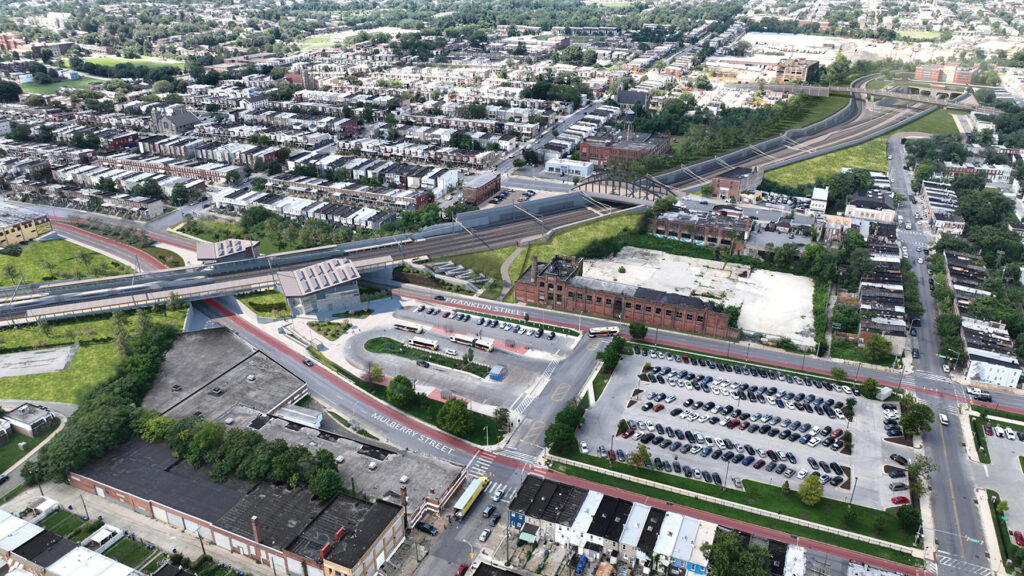
The effects of aging infrastructure extend beyond the tunnel itself. Along this vital corridor, the West Baltimore MARC Station continues to serve passengers despite lacking many of the accessibility features and amenities expected of a modern transportation facility. The station currently has no elevators, ramps, indoor waiting areas, or public restrooms, creating challenges for riders, particularly those with mobility limitations and those traveling during severe weather.
To address these longstanding challenges, Amtrak is advancing the B&P Tunnel Replacement Program. At the heart of the program is the construction of the Frederick Douglass Tunnel, a modern, state-of-the-art tunnel designed for all-electric passenger trains. Once completed, the new tunnel will support speeds of up to 100 mph, significantly improving reliability and reducing travel times.
The program also includes the replacement of five bridges, including the Edmondson Avenue and Lafayette Avenue roadway bridges. They are being replaced to improve safety, enhance connectivity, and accommodate the new rail alignment.
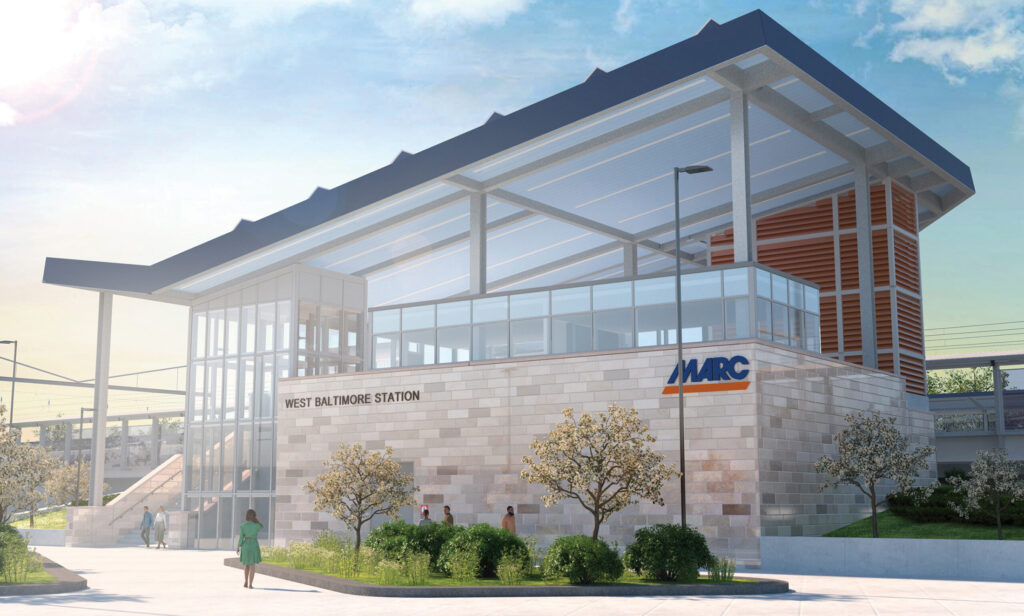
Another major component of the program is the transformation of the West Baltimore MARC Station. Planned upgrades include enclosed waiting areas, ADA-accessible level-boarding platforms, new restrooms, and elevators that will strengthen connections to local transit and Edmondson Avenue. Together, these enhancements will increase accessibility, elevate the passenger experience, and provide more convenient connections to regional transportation networks.
While the transportation benefits of the project are substantial, construction will inevitably affect surrounding neighborhoods. Recognizing these impacts, Amtrak has made community engagement a central component of the B&P Tunnel Replacement Program. This commitment is reflected in several initiatives designed to support local priorities, expand economic opportunities, and enhance residents’ quality of life.
One key initiative is the Community Investment Program, through which Amtrak has committed $50 million in community grants to projects near the program alignment over the life of the project. These investments support local priorities such as community development, workforce development, parks and recreation facilities, transportation improvements, open space, and historic preservation. The Community Investment Program includes a Direct Investment component for organizations that may lack the staff, resources, or experience needed to manage a grant-funded project. Through this approach, Amtrak directly funds and manages eligible community improvements in partnership with local organizations. This allows important projects to move forward even when an organization does not have the capacity to administer a grant on its own.
Additionally, the B&P Program further promotes workforce development through partnerships with the Baltimore Mayor’s Office of Employment Development, the Baltimore Workforce Funders Collaborative, and the Baltimore-DC Building Trades Council in which the program prioritizes local hiring, training, and apprenticeship opportunities. Under a Project Labor Agreement, Baltimore residents will complete at least 50 percent of apprentice hours and 20 percent of journey-level worker hours, with recruitment focused on communities most affected by construction.
Amtrak has also taken steps to minimize construction-related disruptions. Work crews are restricted to operating Monday through Saturday between 7:00 a.m. and 5:00 p.m. Additionally, sound barriers are being installed around project sites to help reduce noise levels and limit disruptions for residents.
Historic preservation and cultural resource mitigation are also important aspects of the program. As construction progresses, Amtrak has worked to salvage reusable materials from acquired properties and make them available for community benefit. These materials were first offered to affected and adjacent historic districts before being made available to the broader public. This effort supports both historic preservation and sustainable reuse within the Baltimore community.
Through BPTunnel.com, residents can stay informed about program developments by signing up for email notifications, text message alerts, or both. The website serves as a central hub for program updates, important information, and community announcements.
Infrastructure investments can strengthen both transportation systems and the communities they serve. By prioritizing neighborhood needs, creating economic opportunities, and maintaining open communication throughout construction, the project illustrates how large-scale infrastructure development can be balanced with community stewardship. Ultimately, the B&P Tunnel Replacement Program will modernize the Northeast Corridor and create lasting benefits for Baltimore residents.
Amtrak’s internship program identifies and engages talented students interested in every aspect of passenger rail, placing them across all major functions of the company. For decades, the program has served as a launch pad for future transportation leaders and plays an integral role in Amtrak’s continued success.
This article is courtesy of APTA’s Speedlines publication: www.apta.com/industry-issues/high-speed-rail/speedlines.