Clean Transit Has to Work in the Real World
By Dennis Griffey | 10/22/2026
DENNIS GRIFFEY
Director of Maintenance
Kitsap Transit
Bremerton, WA
Public transit agencies are being asked to accomplish more than ever. We are expected to reduce emissions, responsibly manage taxpayer and grant dollars, maintain reliable service, and adopt technologies that will prepare our fleets for the future. Those goals are not mutually exclusive. But achieving them requires looking beyond what makes the biggest headline and focusing on what actually works in day-to-day transit operations.
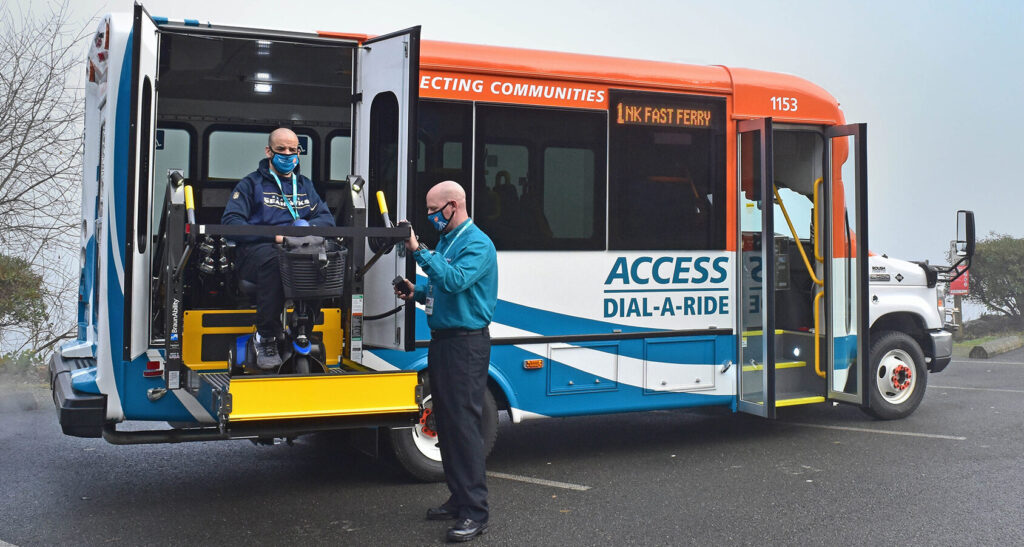
At Kitsap Transit in Washington State, that philosophy has shaped our approach to alternative fuels for more than a decade.
When we began evaluating cleaner options for our ACCESS paratransit fleet, our priorities were straightforward: reduce emissions, lower operating costs, and maintain the reliability our passengers depend on. ACCESS provides transportation for seniors and people with disabilities, so uptime is not simply an operational metric. It directly affects our ability to serve members of our community who depend on us.
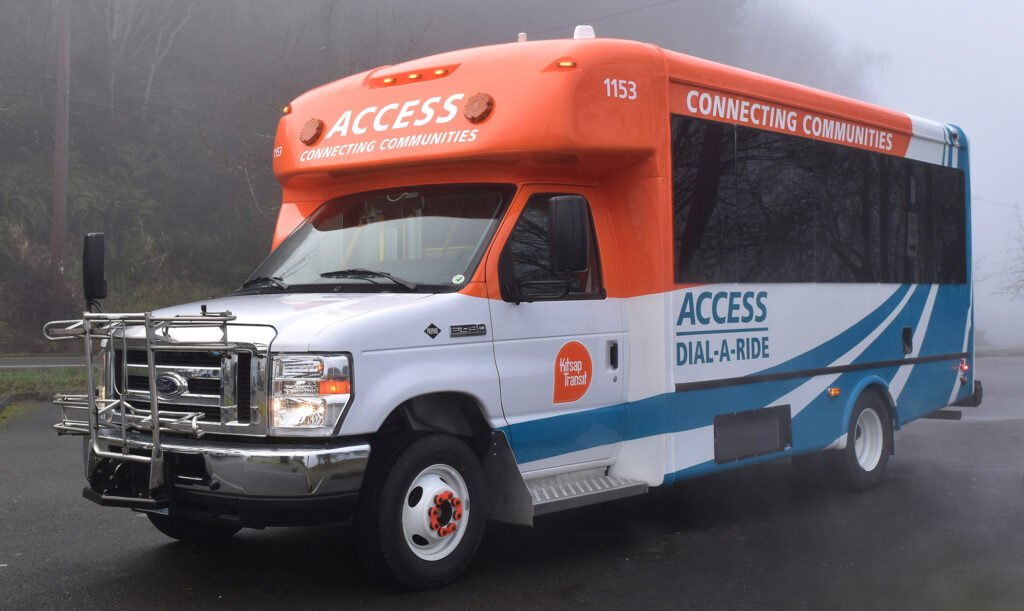
We introduced our first five propane buses in 2015. Today, propane has become an integral part of our paratransit operation. After our next vehicle delivery early next year, Kitsap Transit will operate 80 Ford E-450 buses equipped with ROUSH CleanTech propane technology.
Why have we continued down this path? Because the technology has delivered in the areas that matter most to a public transportation agency.
Start With Fuel Costs
In 2025, Kitsap Transit used approximately 325,000 gallons of propane. We currently pay about $1.60 per gallon for propane compared with approximately $4.30 per gallon for gasoline. At that scale, the difference is significant. It is not a theoretical lifecycle calculation or a projected benefit that may materialize years from now. It is money that can remain in our operating budget and support the transportation services our community uses today.
Cost predictability matters, too. One of the advantages we have experienced with propane is the ability to establish consistent fuel pricing and operate with on-site fueling. That has helped us better understand and manage one of the largest variable expenses associated with running a fleet. The infrastructure itself has also allowed us to fuel vehicles conveniently at our facilities rather than introducing a complicated new operating model.
The savings extend beyond the pump.
Compared with the diesel vehicles we previously operated, our propane buses require fewer fluids and filters and less intensive servicing. That translates into lower maintenance costs, but just as importantly, it means less downtime. When a vehicle spends less time in the shop, it spends more time doing what we purchased it to do: transporting passengers.
Those practical considerations are sometimes missing from the broader conversation about clean transportation.
For a transit agency, sustainability has to encompass more than tailpipe emissions. A solution also has to be financially sustainable, operationally sustainable, and scalable across an actual fleet. A technology that works for a pilot program but cannot reasonably be expanded across dozens of vehicles may help demonstrate what is possible, but transit agencies ultimately have to determine what is practical.
That is where propane buses have worked especially well for us.
Reducing our environmental footprint was one of the primary reasons Kitsap Transit began transitioning its paratransit fleet away from diesel. Propane vehicles produce fewer greenhouse gases and smog-producing hydrocarbons and virtually eliminate particulate emissions compared with conventional fuels. That supported our broader commitment to environmentally sustainable operations while giving us a technology we could put into service immediately.
We are now taking that commitment one step further by fueling our buses with renewable propane. Produced from renewable feedstocks, renewable propane provides another opportunity to reduce the carbon intensity of transportation without requiring agencies to replace vehicles or build an entirely different fueling ecosystem. ROUSH CleanTech’s propane transit vehicles are capable of operating on renewable propane with no alterations, allowing fleets to further lower emissions while using the same vehicle technology and infrastructure.
There is another part of this story that is equally important: the experience of the people inside the vehicles.
Our drivers have responded positively to propane buses because they are quiet, responsive, and do not have the odor associated with diesel. For our ACCESS passengers, including seniors and people with disabilities, a quieter ride can contribute to a more comfortable transportation experience.
None of this is to suggest there is one transportation energy solution for every agency, route, or community. There isn’t. Transit fleets have different duty cycles, climates, infrastructure, budgets, and long-term objectives.
That is exactly why transit agencies should preserve the ability to choose among technologies based on the realities of their own operations.
The clean transportation conversation should not become a contest over which technology sounds the most transformative or is getting the most media buzz. The better question is: What can we deploy at scale that reduces emissions, responsibly uses public dollars, and reliably serves passengers?
For Kitsap Transit, propane has answered that question for more than 10 years. As our fleet has grown, so has our confidence in the technology.
We started with five buses. We are approaching 80. That kind of growth does not happen because a technology looks good on paper. It happens because it works.