NTSB Safety Alert: Electric Propulsion Power Systems – Finding Risks in Aging Rail Infrastructure
3/20/2026
NTSB has issued Safety Alert (SA) – 105, “Electric Propulsion Power Systems – Finding Risks in Aging Rail Infrastructure” for commuter rail and rail transit agencies. The Safety Alert describes five incidents the NTSB is investigating in which electric propulsion power systems have resulted in critical failures, such as electrical arcing, fires and smoke, and damage to electrified systems.
NTSB stated that recent investigations have found some electric propulsion power systems have merged newer technologies with legacy components, introducing new failure modes.
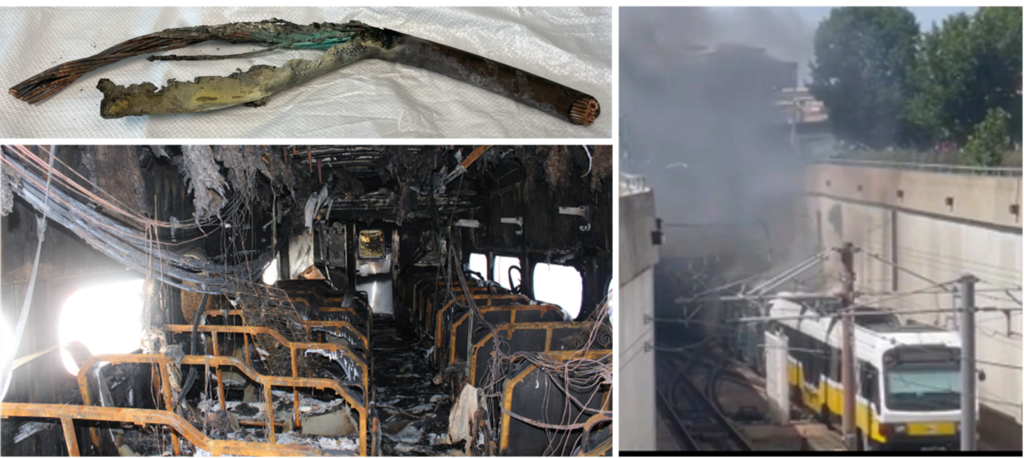
In the Safety Alert, the NTSB provided the following steps for commuter railroads and rail transit agencies to take:
- Implement reliability engineering processes. If these processes are already in place, use them to reassess safety analyses of the design of electric propulsion power systems and other critical systems, particularly as equipment ages and when temporary repairs and changes are made to third-rail or catenary systems.
- Ensure all measurable hazards, including those involving aging electrical infrastructure or newly introduced replacement components, are incorporated into system safety programs such as safety management systems (SMS). An SMS can provide structured processes to evaluate new or modified components for potential failure modes, integrate components safely with legacy systems, and monitor the components over time so emerging risks are identified early and mitigated effectively.
- Be aware of electric propulsion power system failures that involve aging electrical components. Review maintenance, testing, and inspection procedures for wayside, car-borne, and associated electrical system components. Address deficiencies identified in the review.
- Use system failure modes identified in records or in previous incidents to review and revise—or develop, if necessary—maintenance, inspection, and testing procedures that can detect or prevent these failures.
- Use technology to generate real-time trend reports so emerging safety issues can be identified early and risks can be mitigated.