2026 CEO Spotlight: Kim Petty, Co-Founder & CEO, Onward
5/18/2026


SPECIAL ADVERTISING SECTION
From EMS to Paratransit: How Kim Petty Is Reimagining Mobility for Riders of All Abilities
Interview with Kim Petty, Co-Founder & CEO, Onward
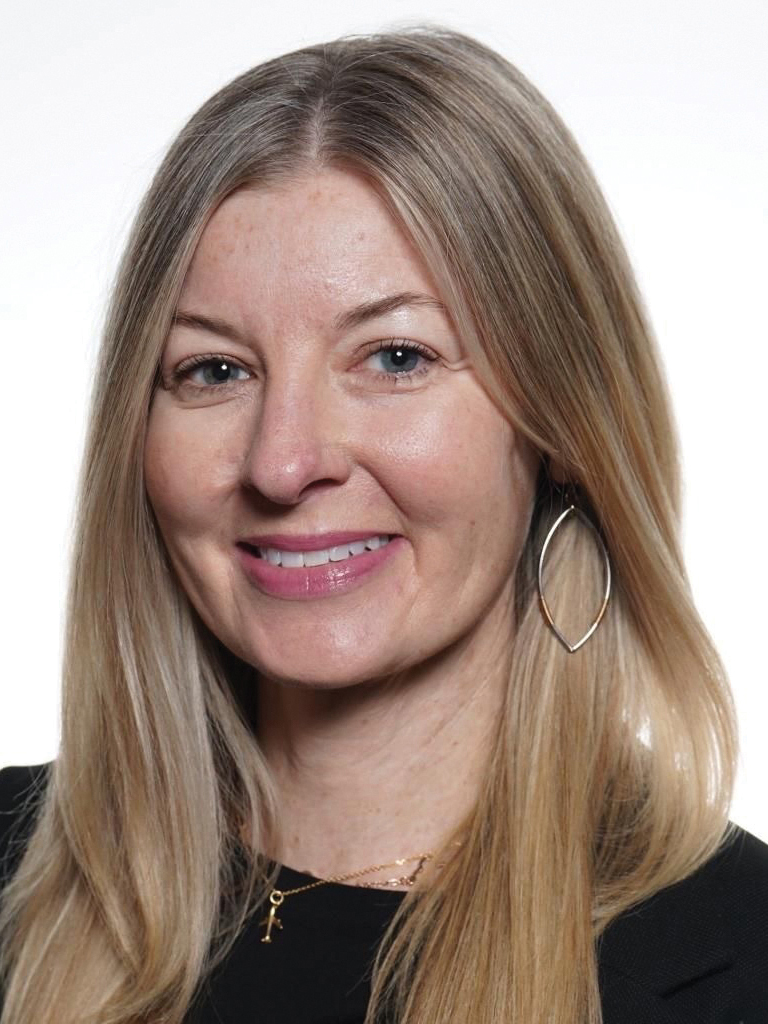
Kim has always asked the same question: What does it actually feel like to be the person on the other side of care?
That question has driven two decades of work — from founding the nation’s first hospital office of patient experience at Cleveland Clinic, to her start up ExperiaHealth, and serving as Chief Customer Officer at Royal Ambulance. At every stop, Kim sat at the intersection of logistics and humanity, sharpening her conviction: you can’t separate operational excellence from the experience of the person you’re serving.
That conviction became Onward.
Building the Bridge between Paratransit and Healthcare
Launched in 2021, Onward set out to eliminate transportation as a barrier to care. The model took hold quickly. In the San Francisco Bay Area alone, Onward now serves more than 15 major healthcare organizations — including Stanford Health Care, UCSF Health, and the San Francisco VA. In the past year, the team delivered more than 70,000 wheelchair-accessible or and over 200K+ Companion Rides, the majority requested same-day.
But Kim saw something bigger in that infrastructure.
“Transportation isn’t just how people get to appointments,” she says. “It’s how they get to the store, their friend’s house, it’s how most folks experience life. If we build systems that are both logistically strong and genuinely human, transportation can be a solution to social isolation, to food access, to community participation and more. It’s the thread that runs through all of it.”
That belief led her to transit.
Playing Nice In The Sandbox is Official Policy
In 2022, Kim began reaching out to transit leaders — not to pitch a product, but to listen. What she heard was consistent: agencies wanted innovation, better rider experiences, and more flexible capacity without the cost of dedicated fleets.
In a small industry, friends are important and you can’t upset the apple cart. She built an aggregation platform that integrates with the paratransit software titans and management companies.
“Our open API is designed to complement existing programs. Together we can provide the visibility and data needed to be operationally excellent and deliver a great rider experience.”
Today, Kim’s team supports Rider Choice and Paratransit Overflow programs for Phoenix Valley Metro, RTA Riverside, OmniTrans and more, with same-day FTA-compliant non-dedicated rideshare and WAV services.
“Flexibility and reliability aren’t a tradeoff in our model,” Kim explains. “They’re engineered to work together.”
The model was designed with a singular constraint: don’t upset the apple cart. Because Onward operates without guaranteed trip-volume commitments, agencies can absorb demand spikes without overcommitting in slower periods, riders experience continuity, and management companies get performance data.
Strength in Numbers: Non-Dedicated Provider Networks Build Elasticity
What makes Onward structurally different isn’t a single service or feature — it’s the underlying network and technology that supports it. Onward’s platform operates as a multi-supplier aggregator. Rather than relying on a single provider or fleet, the platform pulls together local and regional transportation providers, creating a pooled supply network that grows denser and more reliable the more markets Onward enters. Health systems, PACE programs, VA facilities, and transit agencies all benefit from the same underlying WAV and Companion Driver supply. As volume increases across any one market, on-time performance improves and same-day availability expands—a flywheel effect that benefits every partner.
“When a new health system contract grows, the transit agency in the region sees better on-time performance and more same-day availability,” Kim says. “It’s a rising tide effect — the more we grow, the better every partner’s service gets.”
That flywheel is already turning. And it directly addresses one of paratransit’s hardest problems: WAV availability without the overhead of dedicated fleets. Onward’s Companion Rides service offers a flexible second layer of accessible capacity — riders pay on-demand, supply scales with need, and the cost structure reflects actual usage, not projected demand.
Making WAV Feel Good Matters
The data matters. But so does this:
“We hear riders say, ‘I can do this. I have my life back,’” Kim says. “That’s what accessible, reliable, dignified transportation actually does for people. It’s not just a trip. It’s agency.”
For Kim, that’s the mission in a sentence — and it’s why she’s still asking the same question she’s always asked: “What does it actually feel like to be the person on the other side?”