Transit Leaders Discuss Mega Event Planning and Legacy at 2026 Mobility Conference
5/21/2026
The first day of educational sessions at APTA’s 2026 Mobility Conference in Salt Lake City included discussion among the heads of transit agencies on planning for the summer’s World Cup games and the 2034 Winter Olympics. These “mega” sporting events are, operationally, transportation events that can create a legacy for not just the host city but the host nation.
Flexibility and Coordination Key for World Cup Planning
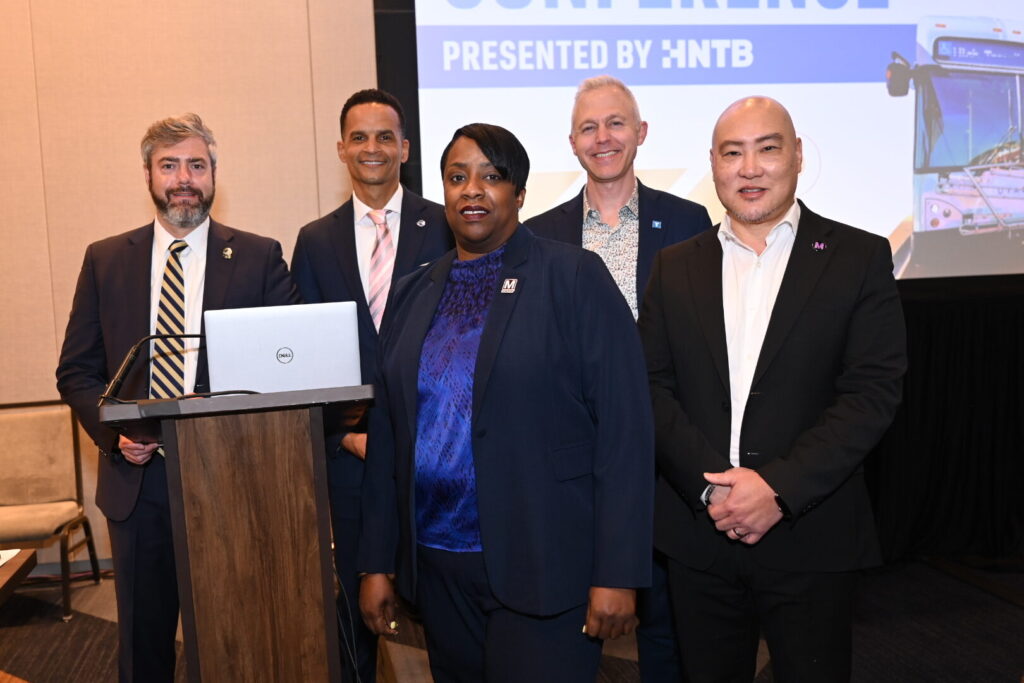
In “Best Laid Plans for FIFA World Cup,” APTA Vice Chair Joel B. Young, board member, AC Transit, posed worst case scenarios to Vancouver’s TransLink Chief Executive Officer Kevin Quinn and Los Angeles County Metropolitan Transportation Authority Chief Operations Officer Conan Cheung. In their answers, they explained how their transit agencies have planned for anything from utility disruptions that require detours to food poisoning affecting the chain of command—all amid surging crowds.
Both agencies have been planning for years, including conducting table-top drills with federal and international agencies. Panelists said that agency plans cover operations, fleet, accessibility, wayfinding, fare payment, security, customer experience, and importantly, communications and coordination. During a potential emergency, panelists discussed their plans for operations centers, detours, field staffing, bus bridges, and rapid public communication, noting the importance of flexibility.
USDOT Director of Public Liaison and Senior Advisor Ben Siegrist thanked the agencies for their coordination with federal partners, who have worked to support host cities. Washington Metropolitan Area Transit Authority Emergency Management Manager Alexa Dupigny-Samuels wrapped up the discussion: “No matter how much you plan, you never realize how beneficial your planning is until you’re put in front of us today, and you’re able to speak through them.”
Olympics Seen as a Catalyst for Legacy, Planning, and Pride
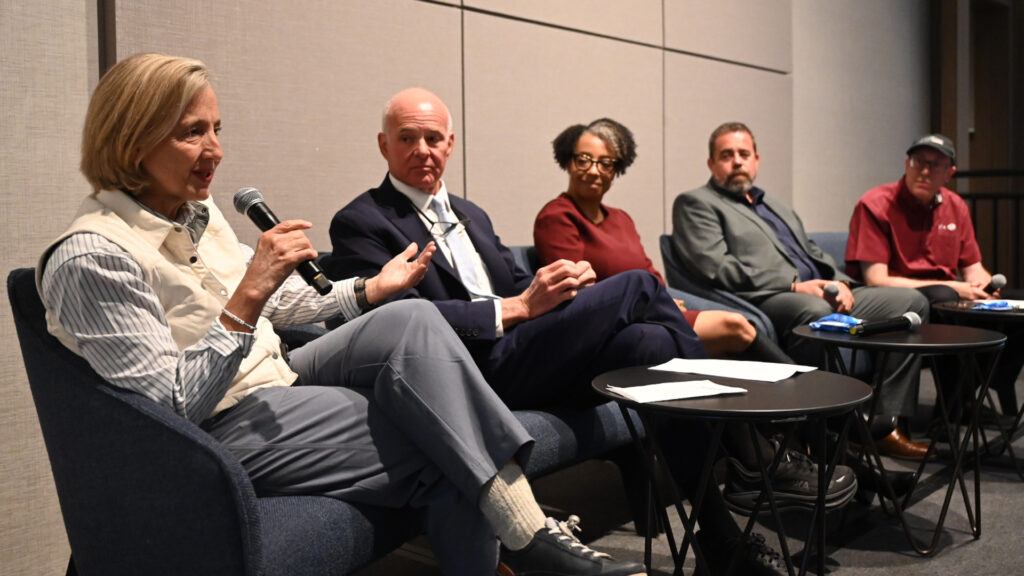
In “Road to 2034: UTA’s Olympic Legacy and Future,” conference host agency Utah Transit Authority (UTA) Executive Director Jay Fox moderated a panel that discussed lessons from the 2002 Winter Olympics in Utah, observations from the 2026 games in Milan, and how those experiences are shaping plans for Utah hosting the games again in 2034.
For Utah DOT Executive Director Carlos Braceras, the 2002 games left a lasting operational legacy, helping launch incident management teams, travel demand management strategies, and stronger interagency collaboration. He said the games helped Utah transportation leaders realize “we could almost do anything” and created a lasting culture of partnership across agencies and with federal partners.
UTA Chief Planning and Engagement Officer Nichol Bourdeaux discussed efforts to use major events, like the NBA All-Star Game and upcoming public open house for the restored LDS Temple, to test and refine its planning approach. Those efforts help with understanding baseline capacity, venue access, and how to maintain everyday service while accommodating surges in demand.
Drawing on his experience as a bus operator during the 2002 Olympics, UTA Chief Operations Officer Andres Colman said major events create a sense of pride that stays with transit workers throughout their careers. “You need empowered frontline leaders to run a large event … empowered frontline leaders with the right tools and training to run the system is key.”
Kem C. Gardner Policy Institute, Utah Olympic Legacy Foundation Director Natalie Gochnour said the state’s approach has always been focused on what comes before, during, and after the games. Because Utah maintained its venues after 2002, she noted, the region is in a uniquely strong position to host again in 2034.
Throughout the discussion, panelists described the Olympics as an opportunity to unify communities, showcase the United States on the world stage, and inspire the next generation. For transit leaders, they said, the work ahead is not only about operational readiness but about ensuring the games leave behind stronger systems, partnerships, and community.