Rail Stations as Grand Public Spaces
7/6/2026
APTA’s 2026 Rail Conference session on “Rail Stations as Grand Public Spaces” explored train stations not just as places for quick arrivals and departures but as central gathering points for commerce, exhibitions, entertainment, and civic and social events. In introducing the panel discussion, MJ Maynard-Carey, immediate past chair, APTA and CEO of the Regional Transportation Commission of Southern Nevada, said rail stations are evolving to meet new needs, serving as a catalyst for social interaction.
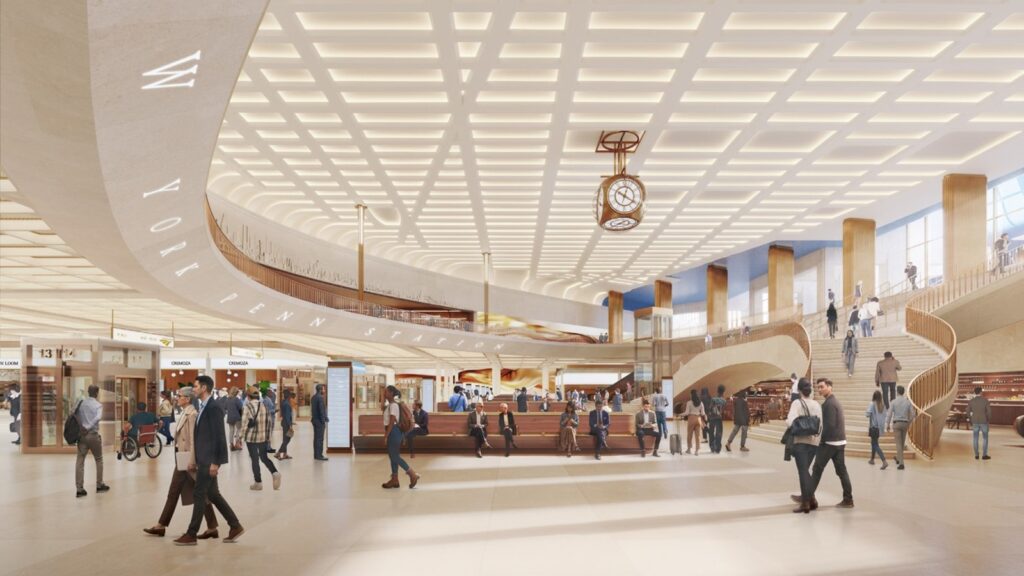
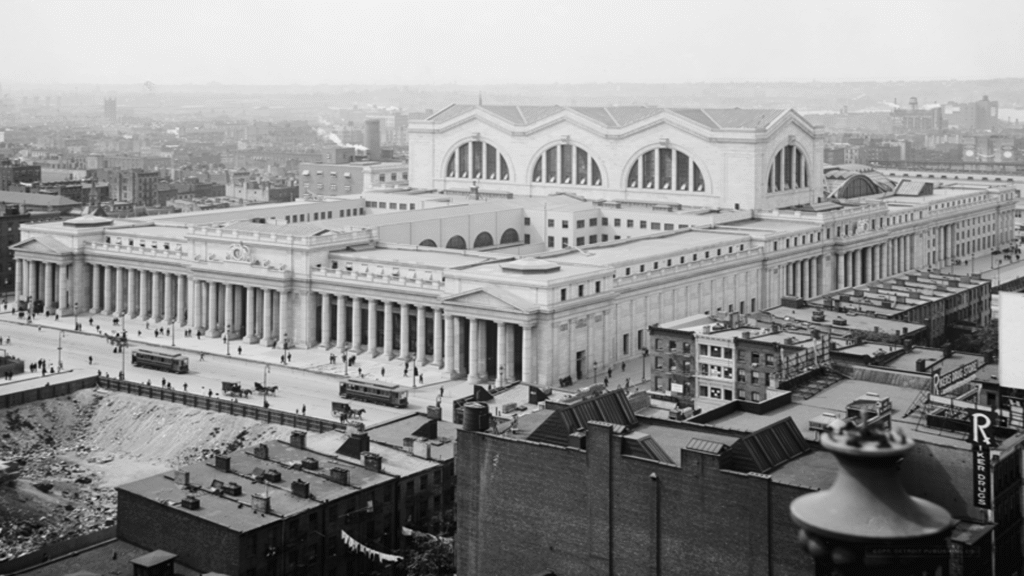
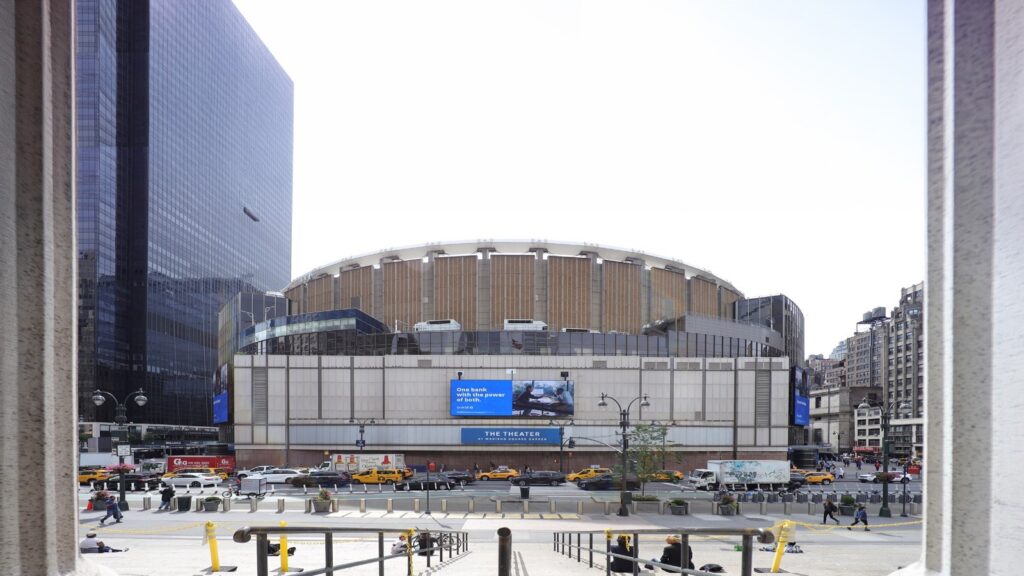
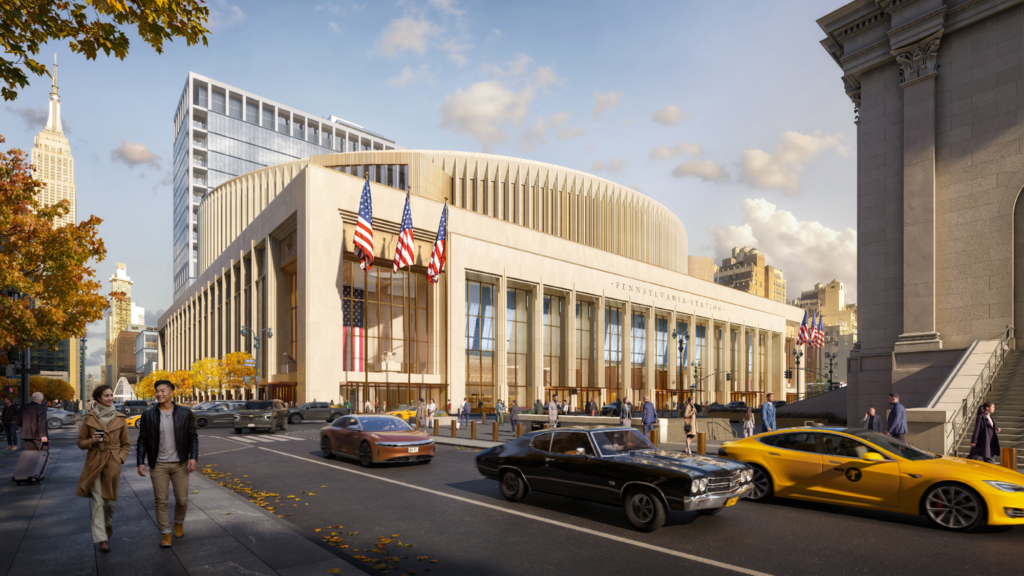
The session was moderated by Katie Thomson, secretary of transportation at conference host agency Maryland DOT. Starting off the panel, Andy Byford, special advisor to the Amtrak Board of Directors, discussed the transformation of New York’s Pennsylvania Station. Once an iconic landmark, it is now hard to find the entrance. He shared plans, which are moving along quickly, to make the station visually stunning, modern, more efficient and useful. He anticipates construction initiation at the end of 2017.
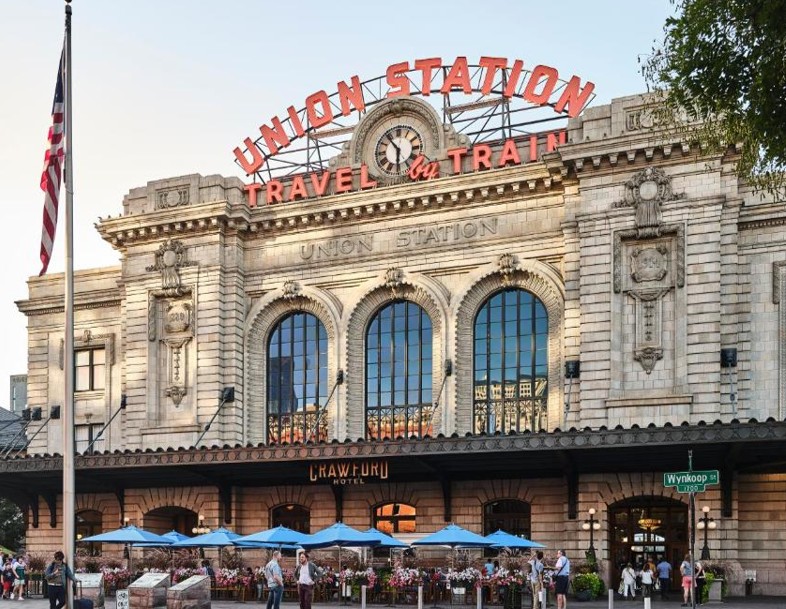
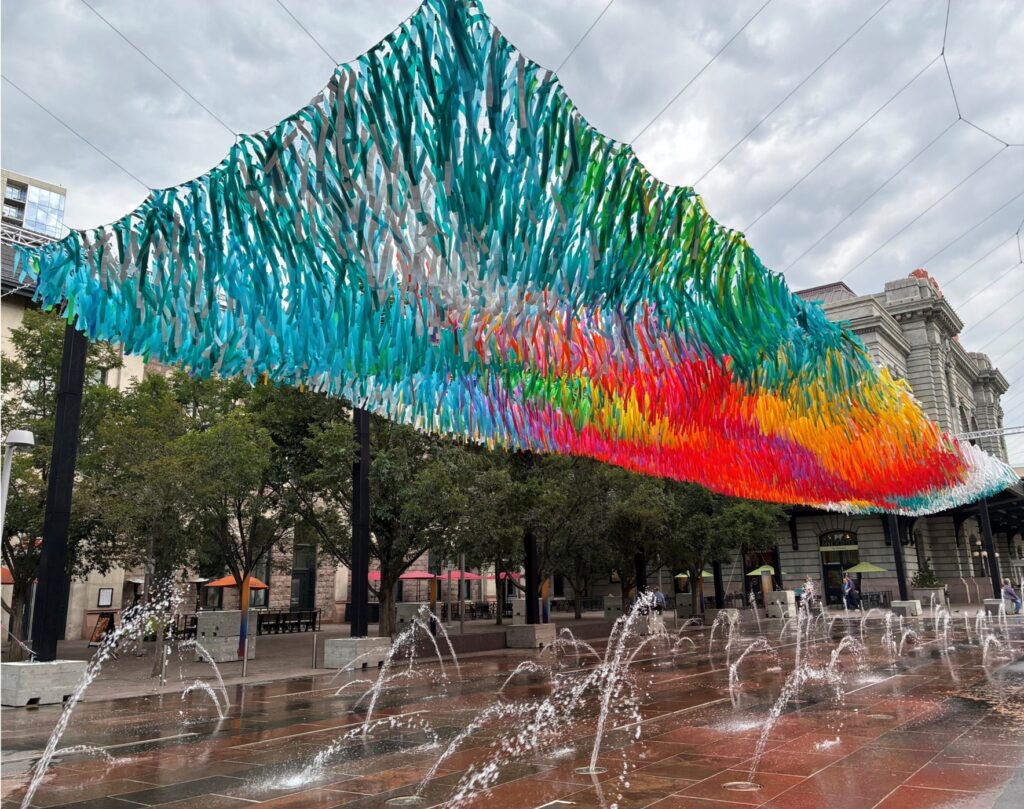
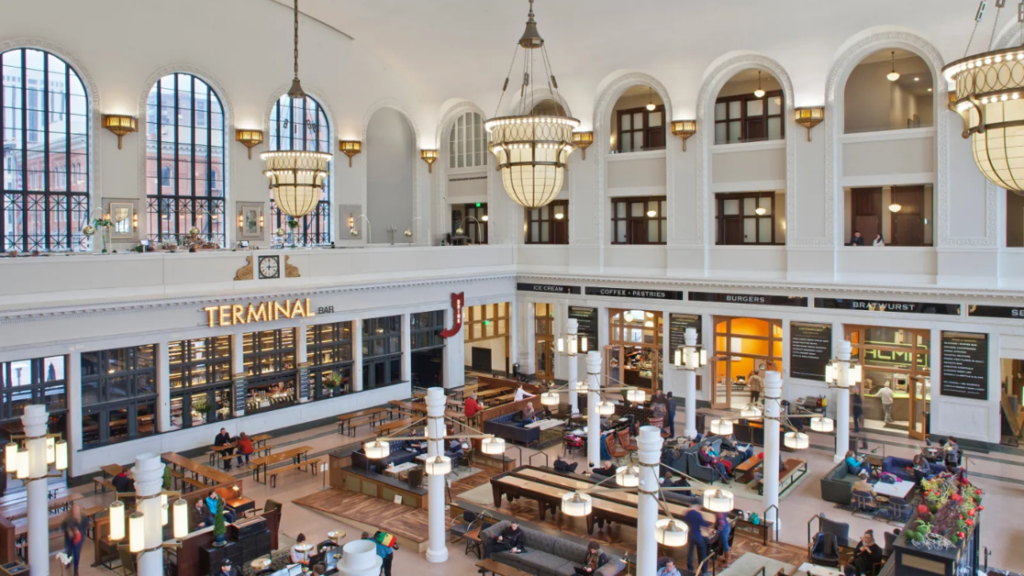
At Denver Union Station in Colorado, Regional Transportation District wanted to create a welcoming transit environment. Reopened in 2014, 100 years after the opening of the current structure, and renovated in 2024, RTD General Manager and CEO Debra Johnson explained that the station is a destination of its own. It hosts year-round events, community art, farmers’ markets, restaurants, and a hotel for a night out. In addition, there’s been a surge in development around the station.
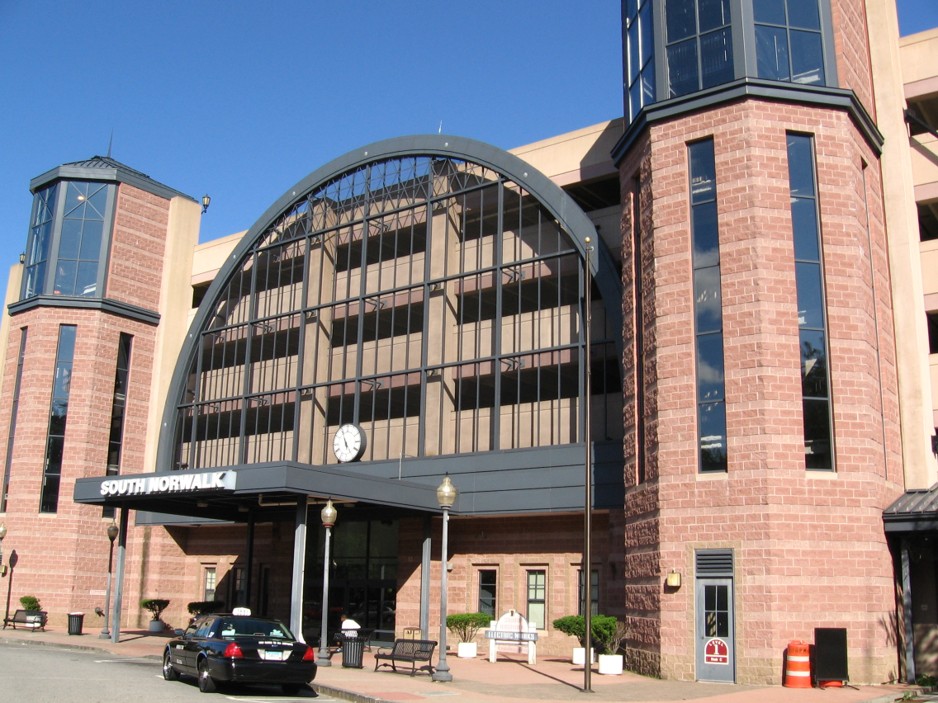
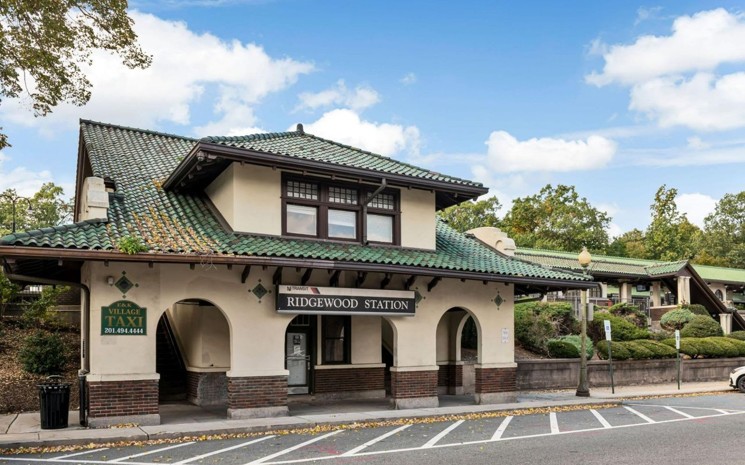
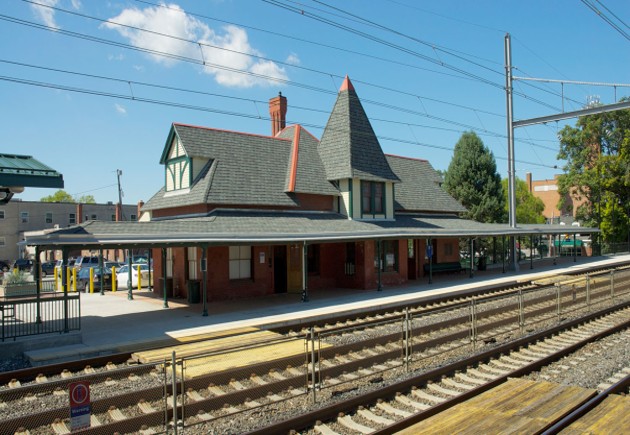
CEO of Greystone Real Estate Advisory Group, Charles DiMaggio, discussed smaller stations operated by New York Metropolitan Transportation Authority (NYMTA), Southeastern Pennsylvania Transportation Authority (SEPTA), and New Jersey Transit (NJ TRANSIT), which act as economic engines for small towns and where small investment can make a big difference. Examples include NYMTA Metro-North Railroad’s Bronxville, Croton Falls, South Norwalk, and West Haven stations; SEPTA’s Ardmore, Chestnut Hill, and Wayne stations; and NJ TRANSIT’s Ridgewood and South Orange stations. When it comes to low-impact cost improvements, better lighting and seating provide a better customer experience. Support may come from community partners or historic preservation groups.
How can a station transform a community? Panelists agreed that every station needs to play to its strengths by understanding the market. Agencies need to bring people together, listen to the community, and find the right solution for the location. They need to have a champion among elected officials and think longer term when looking at the economic benefit. When agencies deliver success, the public will clamor for more.