Rail Industry Leaders Explore, Plan Passenger Rail’s Future
7/2/2026
The opening session of APTA’s 2026 Rail Conference set the tone for the entire event with themes of optimism, resilience, and perseverance in the face of challenges. More than 1,700 U.S. and international attendees travelled to Baltimore, MD, for three days of 38 sessions on issues that included artificial intelligence, infrastructure investment, and federal policy. The conference also featured passenger rail’s safety and security awards and a products and services showcase.
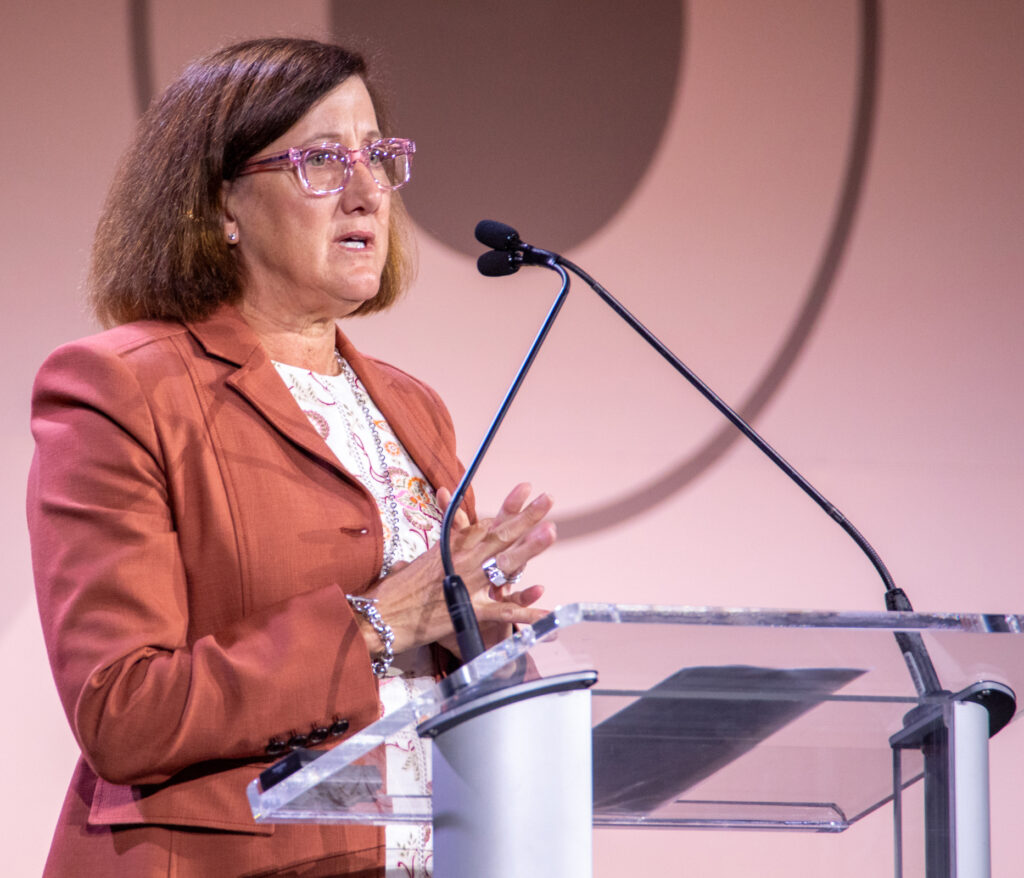
Maryland Department of Transportation (MDOT) Secretary Katie Thomson welcomed the attendees to “Charm City,” while host agency Maryland Transit Administration (MTA), led by Administrator Holly Arnold, provided technical tours, conference volunteers, and branded transit passes.
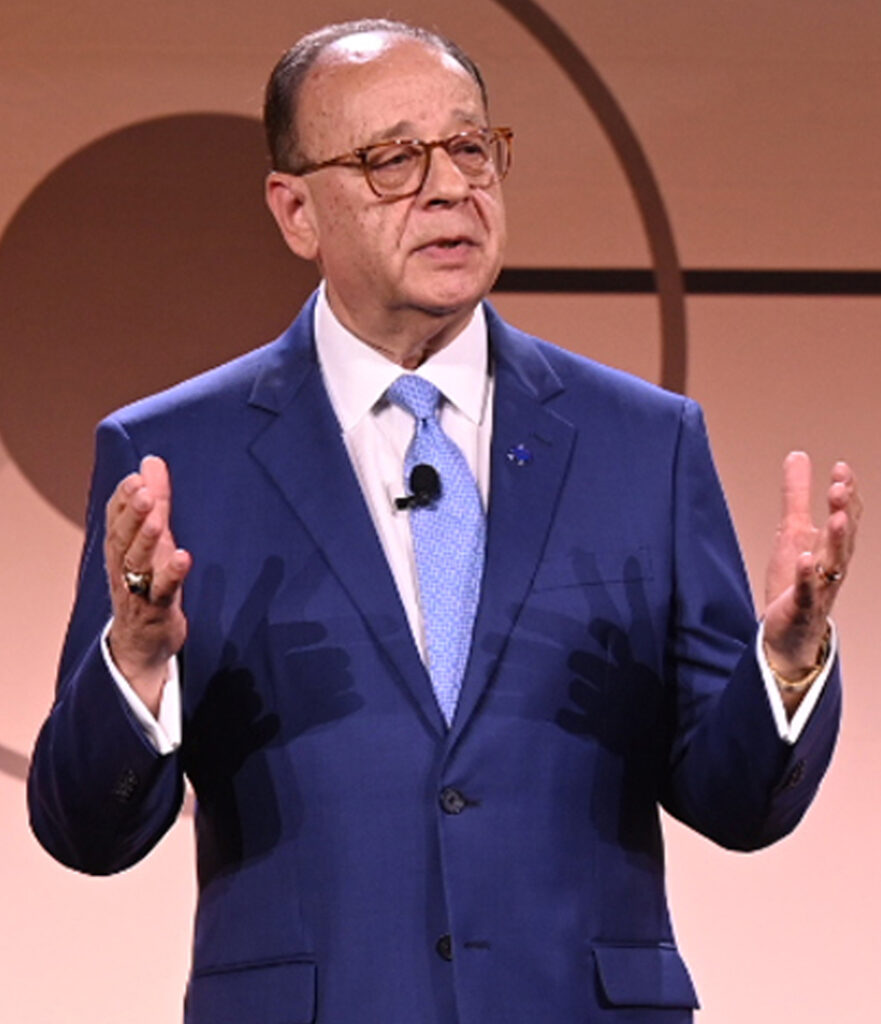
Noting that American passenger rail began in Baltimore with the B&O Railroad nearly 200 years ago, APTA President and CEO Paul P. Skoutelas said, “As proud as we are of our past, this conference is about the future and the people who are taking us there.”
“North America is experiencing a passenger rail renaissance,” Skoutelas said, citing recent examples of major rail projects totaling tens of billions of dollars across the U.S. and Canada. Referring to public transportation’s potential funding challenges in Congress, he called for continued, higher levels of federal investment to meet the increasing need for more passenger rail.
Echoing this top priority for the industry, Leanne Redden, APTA board chair and executive director of the Chicago Regional Transportation Authority, emphasized the urgent importance of advocating for a new pro-transit, pro-passenger rail Surface Transportation Authorization law.
“The investments we have made over the past five years were a first step,” Redden said. Referring to the existing Infrastructure Investment and Jobs Act (IIJA) as “the beginning, not an ending,” she urged attendees to show elected officials the positive economic impact that public transportation funding has had on jobs, businesses, and communities. The IIJA expires on September 30.

Both Skoutelas and Redden expressed confidence that the industry would be successful “if we support each other’s interest, speak with a united voice,” and continue to focus on transit’s positive impact on the nation.
There is no better time to deliver these messages than during the 2026 World Cup games, they continued. More than 26 public transit agencies across 11 U.S. host cities have been essential in safely and efficiently moving millions of fans during one of the largest sporting events in history.
In keeping with the tone of the conference, the session’s keynote speaker, who was sponsored by the Business Members Board of Governance (BMBG) and introduced by Raymond Melleady, BMBG chair and president of STER Seating, shared lessons that were particularly relevant and timely for the public transit community.
U.S. Sports Diplomat and former professional soccer champion Joanna Lohman called life—and transit—volatile, ambiguous, ever changing, naturally chaotic … and beautiful.

“A good life is forged precisely from the things that make it hard,” Lohman explained adding, “… through breakdowns we have breakthroughs, through struggle we find strength, through crises we build character.”
Using her own personal stories, Lohman illustrated the importance of a positive attitude (“perception drives performance”), of hard work and preparation (“pressure is a privilege”), and of teamwork (“relationships win championships”).
“Transit is life,” Lohman repeated, “and the path doesn’t get easier; we get better.” She applauded public transportation’s “commitment to a higher purpose, to change a life, to connect a community … especially when it’s hard.”
The opening session was sponsored by Hitachi, which recently expanded its railcar manufacturing facility in Hagerstown, MD. The Rail Conference’s presenting sponsor was HNTB, represented by Stephen Goodman, vice president for the transit and rail market sector.
Watch video of the opening session.
Watch all general sessions, including the keynote address, on APTAU.