Q&A with Valérie Pécresse: Transforming the Paris Regional Transportation Network
6/29/2026
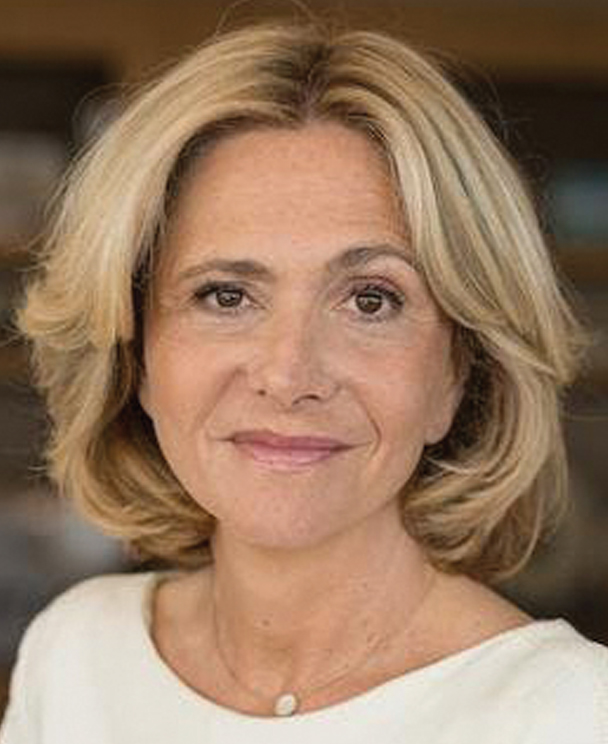
From train to bus to cable car and bicycle, riders of the Paris regional transportation network make 9.4 million trips a day, 70 percent of which are located outside of Paris. The network is the second densest in the world after London.
The network is managed by the regional transportation authority, -Île-de-France Mobilités, led by its president, Valérie Pécresse. In the role since 2015, accomplishments include preparing and delivering the system for the first fully decarbonized Olympic and Paralympic Games in 2024. She also led efforts to standardize the fare system, upgrade security, and refurbish all rolling stock. Passenger Transport sat down to discuss these efforts and what’s to come. (Questions and answers have been edited for length and clarity.)
Q: What has been your biggest achievement in transforming the Paris region’s transportation network so far?
A: For context, in 2008, the work of adding 300 kilometers of new [rail] lines was launched, called the Grand Paris Express. It began opening in 2024 for the Paris games and will open fully in 2031. Nearly every year we are going to have new lines opening.
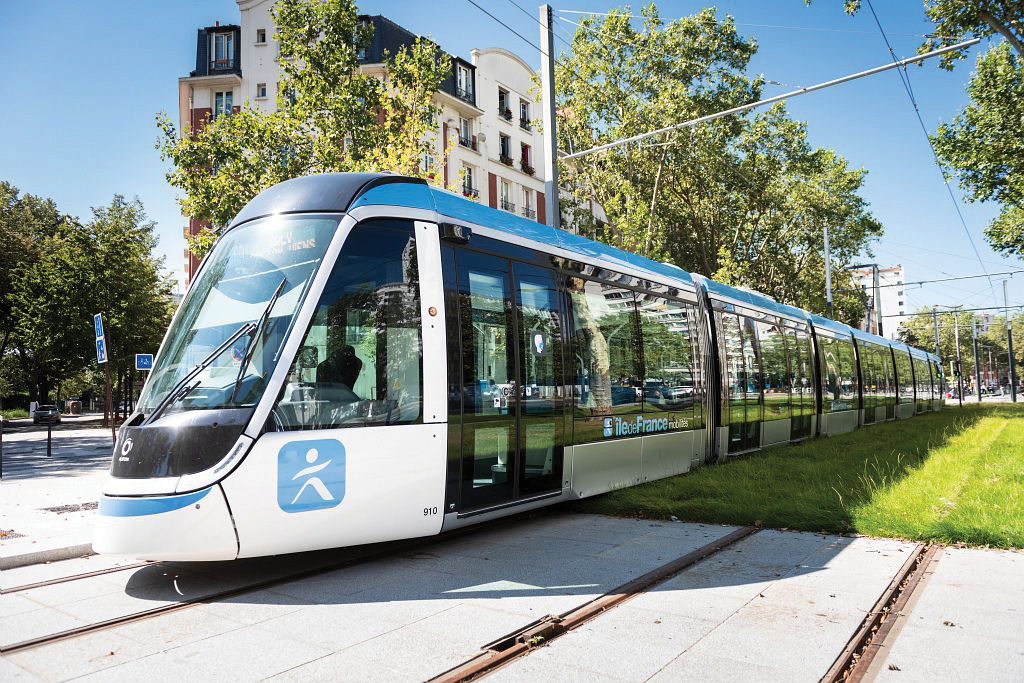
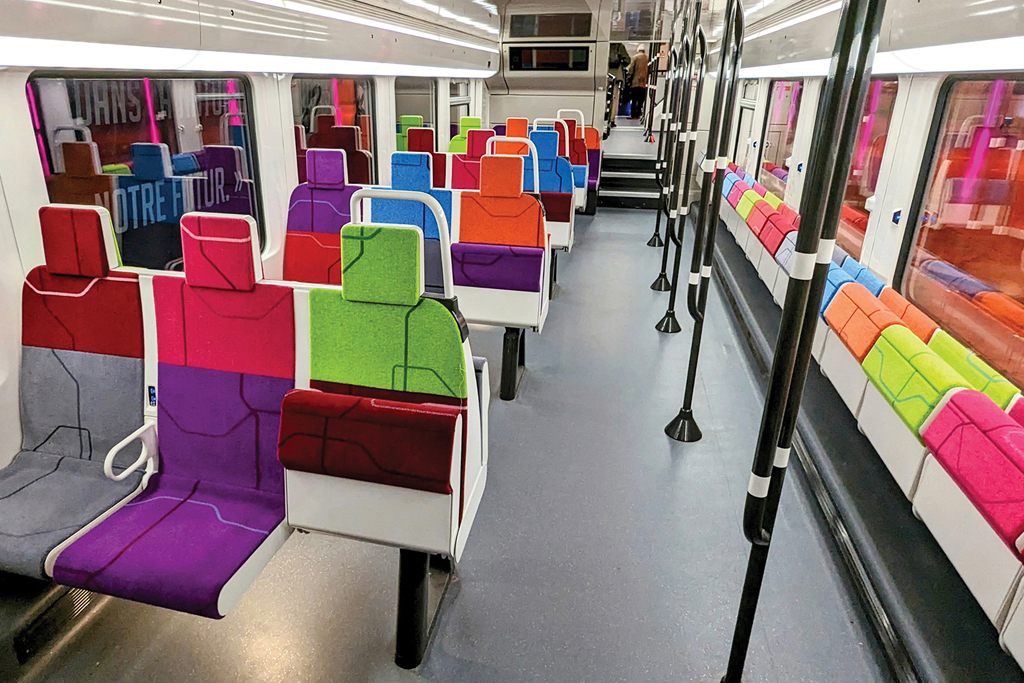
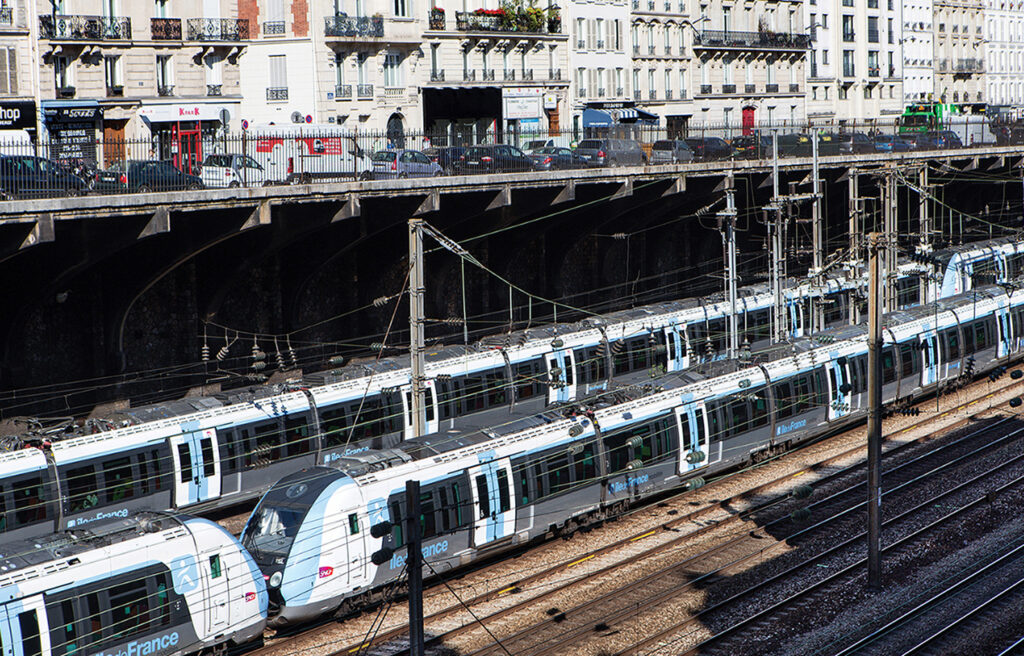
When I arrived, we refurbished the whole system because the rolling stock was in poor shape. In 10 years, we renovated and bought nearly 1,600 trains, trams [streetcars], and subways. That was a visible change. People discovered a new experience on the train.
Then we transformed the ticketing price. We raised the price for Parisians and lowered the price for suburban travelers. Now, there’s a single fare (2.55 euros) for everyone and there are special subscriptions (~2 euros) for regional residents. With the new pricing, we had an increase in the use of transportation—about 4 percent last year.
Also, we added 1,000 security agents and 80,000 CCTV cameras (previously, there were none). Now, crime is decreasing on the train. Everything is monitored in a coordination center that was built [and paid for by the transportation authority] to ensure the security of the Olympics.

Q: Were there parts of the transit system that were made possible because of the Olympics?
A: I think we won the games because we proposed completely accessible public transportation with zero carbon. And we had the Grand Paris Express trains coming. But what the games did was set a deadline, which was good because sometimes big industrial projects take more time and have delays. The games gave us a deadline to be respected.
It also brought a focus on hospitality. We have the biggest tourist region in Europe, 50 million visitors every year, but we didn’t speak their languages. Now the subway has 3-4 different languages and the website and app is available in seven languages.
The last thing we did for the games was make all of the ticketing digital, so now you can buy a ticket on your Android and Apple phone.
Q: What are a few lessons learned from the Olympics?
A: We did a lot of work on the flow of people. Flow models informed us how to organize exceptional events, which will help with other upcoming events. Secondly, AI for CCTV was authorized for the games as an experiment. After the games, I sought authorization to continue using AI for CCTV so that we could address crime and danger on the tracks.
Q: What would you recommend for U.S. transit agencies to accelerate development or increase ridership?
A: You have to lobby for funding. I built consensus among private firms, the customer, and the local government to fund the projects. I had to get everyone around the table to determine who’s going to pay for what. We talked about how we should fund our transportation system for the coming years, why we should advocate for a better transportation system, and impacts related to climate, health, stress, social cohesion, and financial savings. Funding was a tricky issue. A key message was that everybody had to take part, and the incredible effectiveness it would bring to every territory.
Q: Are there any key changes coming in the next 5 to 10 years for the system?
A: We are building what I call the fourth network—750 kilometers of cycling lanes, separate from the street for safety. We aim to triple the use of bicycles. We operate an original system that offers long-term electric bike rental and a subsidy to buy one. We are also working on car-sharing and transport on demand.
When I first started, I said I would change life through transportation. The new rolling stock is exceptional. It makes transportation more comfortable, less stressful, and less costly. If you live 40 kilometers from Paris, you can park for free and take a train where you can telework, watch a movie, read…the experience is completely different from before.
Learn more at: www.iledefrance-mobilites.fr/en/.
See also: APTA’s 2024 Study Mission to Paris and London at www.apta.com/events/international-study-missions/.