MCTS Apprenticeship Program Creates New Model for Wisconsin Transit Workforce
By Brian Deneve | 10/8/2026
BRIAN DENEVE
Sr. Director of Public Affairs and External Relations
Milwaukee County Transit System
Milwaukee, WI
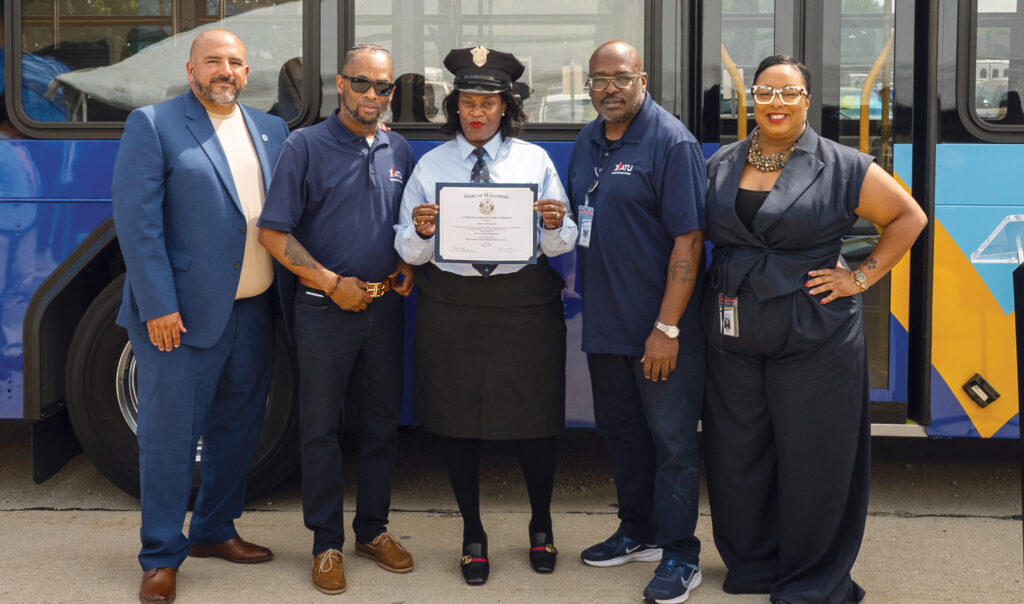
This summer, Milwaukee County Transit System (MCTS) graduated Wisconsin’s inaugural class of coach/bus operator registered apprentices, marking a significant step in how transit agencies in the state can recruit, train, and retain the next generation of bus operators.
With Milwaukee County home to the largest employment base in Wisconsin, the program’s workforce implications extend beyond filling driver positions. MCTS provides an important connection to jobs, schools, medical appointments, and other essential destinations throughout the region.
“The Coach/Bus Operator Apprenticeship Program is going to help power the economic engine of our state,” said MCTS President and CEO Steve Fuentes at the ceremony. “Each weekday, MCTS provides approximately 65,000 rides, and most of those rides are people going to and from work.”
The 14-month apprenticeship program combines paid employment with structured training and mentorship from experienced drivers. The initiative was developed through a partnership among MCTS, the Amalgamated Transit Union (ATU), and the Wisconsin Department of Workforce Development, with state financial support from a $387,000 Wisconsin Forward Grant.
Pamela Moore, an ATU workforce development coordinator, said Milwaukee’s program is a potential model for transit apprenticeship programs nationwide, highlighting the collaboration between labor and management.
As the first coach/bus operator registered apprenticeship of its type in Wisconsin, the program provided an opportunity for leaders from other transit systems across the state to learn from MCTS’s experience and consider potential best practices for their own organizations. The achievement builds on Wisconsin’s long history with registered apprenticeship, which dates to 1911. The state reported a record 18,524 registered apprentices and 3,095 participating employers last year.
The ceremony underscored apprenticeship as a potential career pathway within transit beyond the initial occupation. MCTS Vice President/Deputy CEO Ruben Salas shared his own progression from service attendant to apprentice, mechanic, and eventually agency executive.
“The program taught me that if I was willing to work hard, keep learning, and take advantage of opportunities, there was no limit to how far I could grow,” said Salas, telling graduates that where they begin does not determine where they finish.
The program has become so valuable to the agency that, moving forward, every MCTS bus operator recruit will begin as an apprentice. MCTS is also expanding the model into its maintenance division. A Coach/Bus Registered Mechanic Apprenticeship program is underway, with its first two apprentices expected to complete their training in the coming months.
For MCTS, the inaugural operator class represents more than a graduation milestone. It demonstrates how structured apprenticeship, mentorship, and labor–management collaboration can become strategic tools for developing the skilled workforce needed to keep public transportation moving.