How to Fill the Workforce Shortage? Recruit and Retain Women Leaders
By Karen E. Philbrick, PhD | 3/24/2026
Executive Director
Mineta Transportation Institute
Past Member, APTA Board of Directors; Member, American Public Transportation Foundation

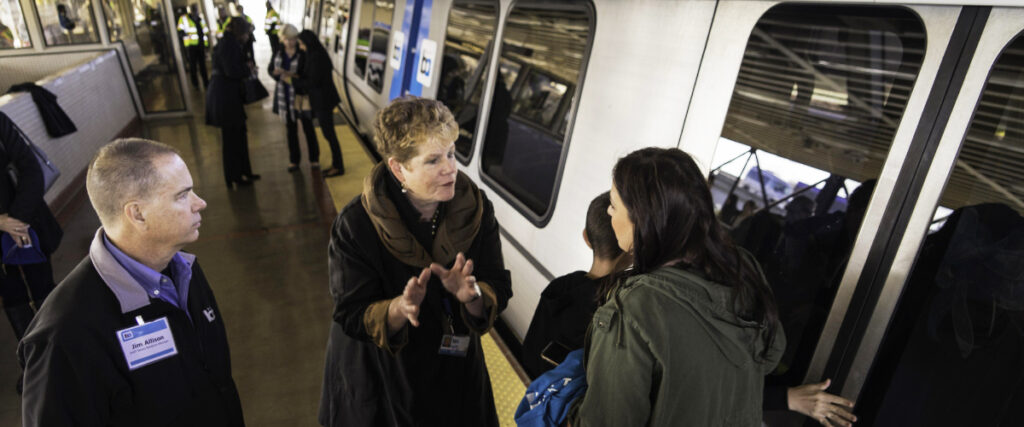
March is Women’s History Month. APTA Hall of Famer Grace Crunican has spent 40 years shaping American mobility. But before that, she worked at the Oregon Zoo as Twinks the clown. Like many transportation professionals, Crunican fell into the industry after one serendipitous opportunity led to another. Her story, featured in the Mineta Transportation Institute’s (MTI) Mineta Leadership Fellow interview series, illustrates an important lesson: talent exists everywhere, but clear pathways into transportation leadership do not.
The backbone of American infrastructure continues to face a workforce shortage. A national survey of transit agencies conducted by APTA revealed that 96 percent are experiencing a staffing shortage, and 84 percent of agencies indicated that this negatively impacts their ability to deliver services. As more of the workforce retires (over 40 percent of transit workers are aged 55+), this issue will only get worse.
How do we close this gap and build the workforce the industry urgently needs? One important step is making visible the leadership journeys of those who have helped shape transportation. From Twinks the clown to a woman known as one of our nation’s greatest transit leaders, Crunican and her story play an important role in inspiring the next generation, and sharing this story is especially important for inspiring other women and individuals from traditionally underrepresented communities, to enter—and stay—in roles that advance mobility for all.
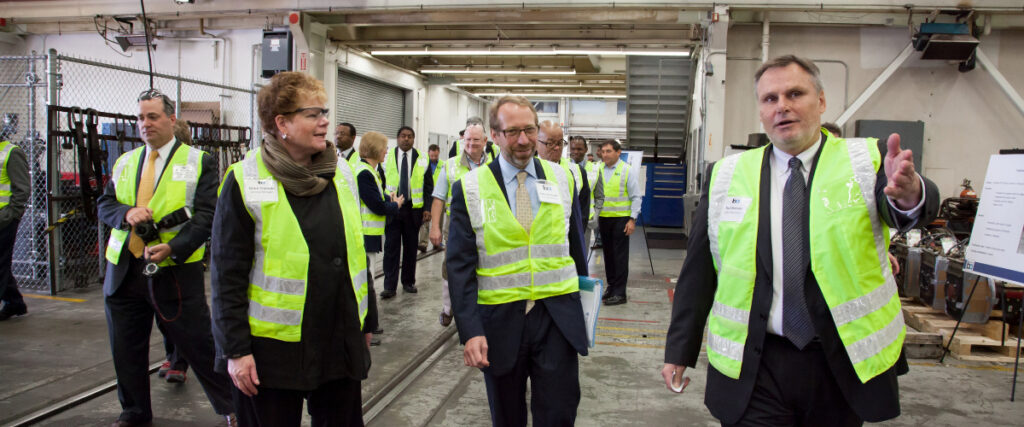
This is part of a solution to a seemingly simple problem: transportation needs more people. While efforts to expand the workforce pipeline and retain talent have ramped up in recent years, one solution remains underutilized—recruiting and retaining women. A 2024 Transportation Research Board report reveals women account for just 15 percent of the workforce in state departments of transportation. Across the industry, women remain significantly underrepresented, especially in leadership roles, despite extensive research showing that diverse teams improve decision making and organizational resilience.
At MTI, we understand that leaders are made, not born, and that leadership competencies are learned and developed as a result of experience, self-reflection, and coaching. Crunican shared her story as part of MTI’s Leadership Fellows Program, which showcases influential industry leaders discussing their leadership philosophies, the challenges they have faced and how they have successfully built teams ready to build the future of mobility.
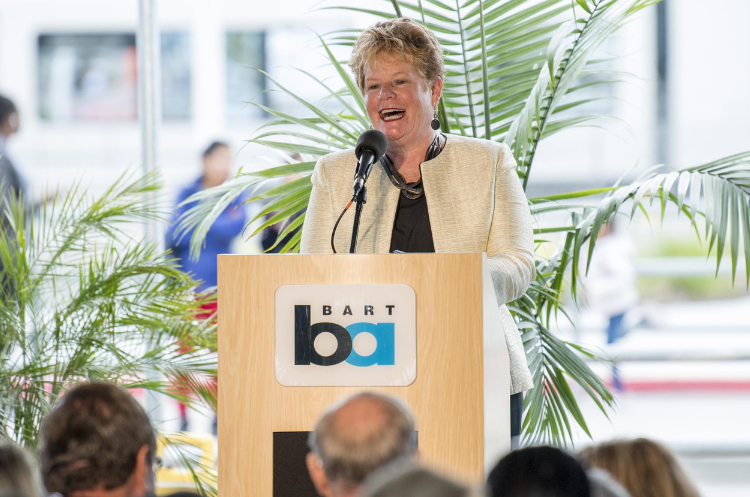
In a series of interviews, Crunican reflected on the experiences and decisions that shaped her successful career, offering insights that can help others grow. Looking back, she explains how a single internship at the Portland mayor’s office led to her four-decade career leading major west-coast agencies, including the San Francisco Bay Area Rapid Transit District, the City of Portland Department of Transportation, the Seattle Department of Transportation, and the Oregon Department of Transportation, as well as serving as U.S. Deputy Administrator of the FTA. Ultimately, she emphasized that true leadership for her necessitates genuine connection and building teams that reflect the communities we serve.
For young people looking to enter the field or for emerging professionals hoping to climb the ladder upward, Crunican’s journey offers an important reminder: leadership paths are rarely linear. Curiosity, connection, and persistence sometimes open unexpected doors, and all it takes is one step forward. For those already in the industry, her story highlights something just as important: each of us has a responsibility to work toward expanding opportunities for all people while building organizations that reflect the communities we serve.
Sharing Crunican’s story empowers more women to see themselves in her shoes, envisioning themselves not only contributing to American mobility but shaping its future. Together, we can ensure that the next generation of transportation professionals see not only a career path, but a place where they belong.