Ignite Innovation Talks Put People at the Center of Transit Innovation
10/15/2026
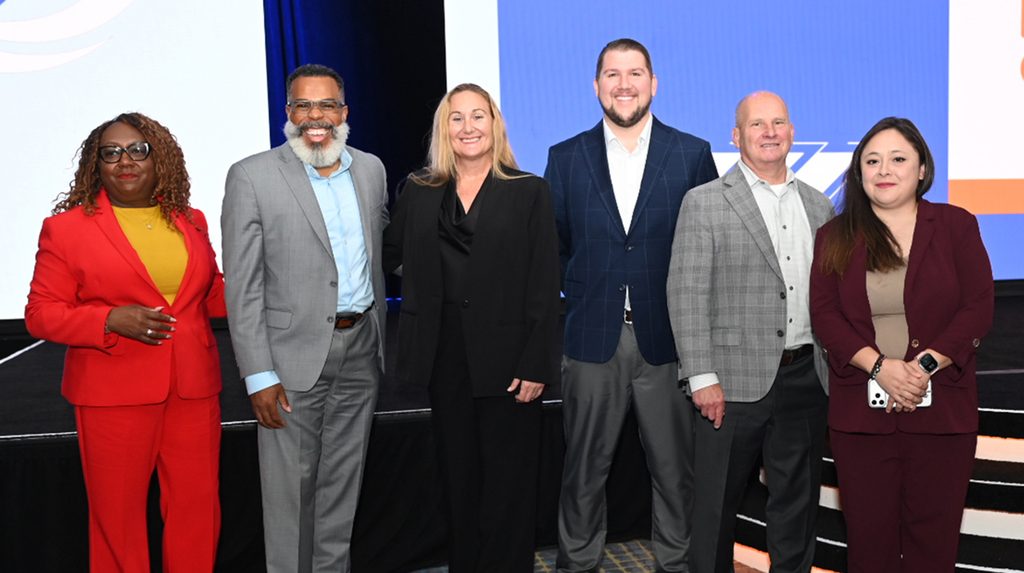
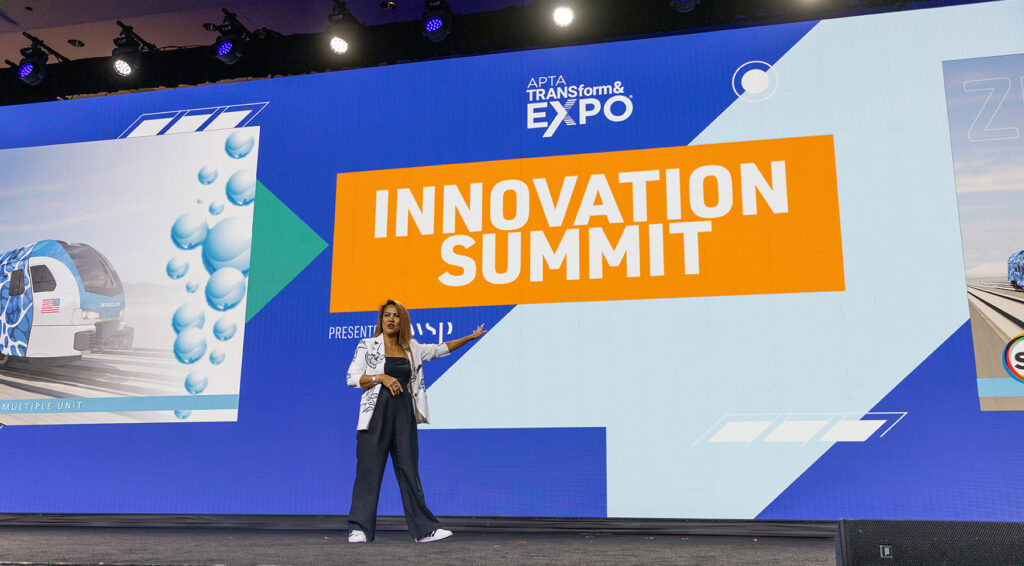
Public transit leaders offered a rapid-fire look at innovation in practice during the Ignite Innovation Talks, sponsored by WSP, at APTA’s 2026 TRANSform & EXPO in Chicago, IL. Eight dynamic speakers highlighted projects that ranged from a transformed capital program and rail cybersecurity to hydrogen-powered passenger rail, solar microgrids, and hands-free fare payment.
Opening the session, Metra’s Janice R. Thomas said organizational change—not technology alone—helped the agency expand its active capital portfolio from approximately 52 projects in 2021 to more than 139. Metra established standardized processes, training, and dashboards, while shortening preparation for the NEPA process from roughly 18 months to 3–6 months.
“You have to be open to changing your mindset, because you can have all the new technology and processes, but if your mindset is stuck, you won’t be able to move forward,” Thomas said.
Other speakers linked innovation with collaboration across agencies and disciplines. San Bernardino County Transportation Authority’s Joy Buenaflor described the partnerships behind ZEMU, the first hydrogen-powered passenger rail vehicle in the United States; Cara Mazzei of Hitachi Rail Honolulu emphasized community outreach and workforce development around Honolulu’s Skyline system; and EXP’s Jeffrey Jakalski discussed an eight-week STEM Lab connecting local high school students with careers tied to the Chicago Transit Authority Red Line extension.
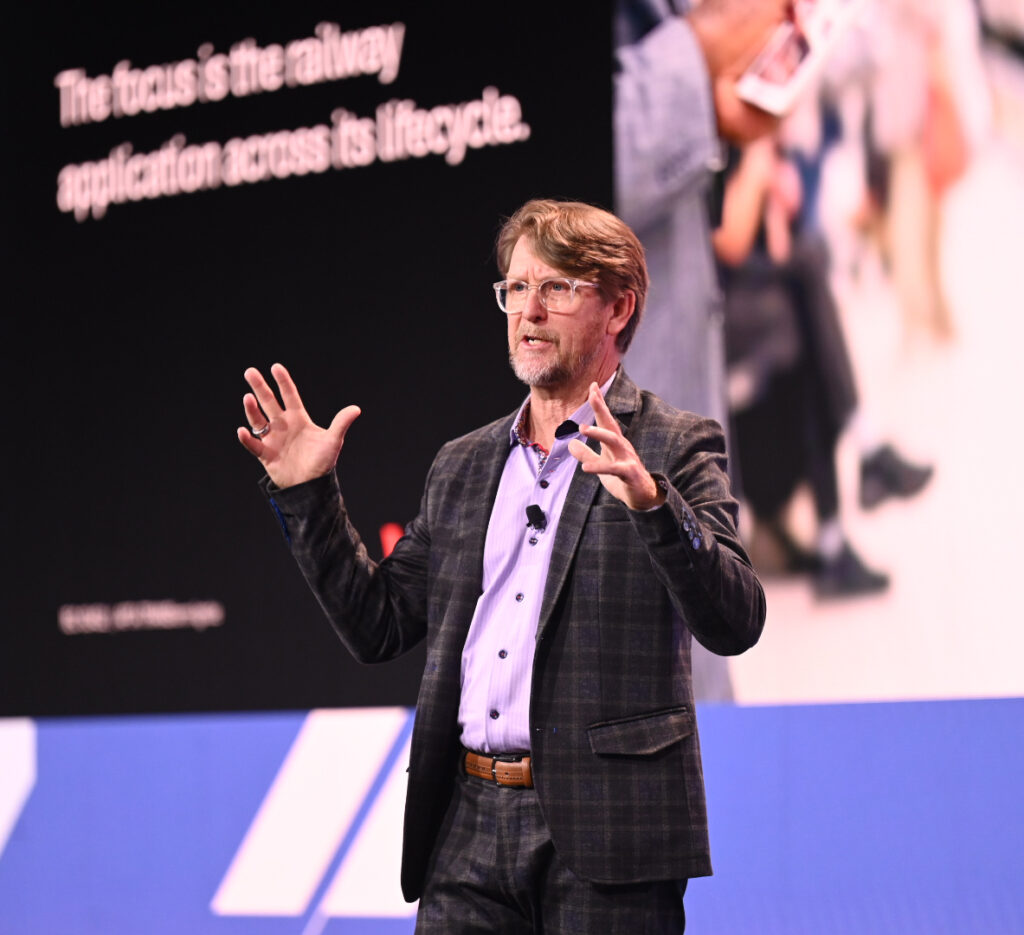
The session also examined how public transportation utilizes new technology. WSP’s Christopher Crawford urged rail owners to incorporate cybersecurity—specifically, IEC 63452—throughout the project life cycle. Daniela Gutierrez of South Central Regional Transit District described a 408-panel solar array and battery-supported microgrid serving a small agency in New Mexico.
Los Angeles World Airports’ Harold Samms described putting LAX on the transit map with its automated people mover that connects to LA Metro and a rental car facility. Closing the program, INIT’s Paul Cohoon discussed a hands-free fare-payment that allows riders—particularly those with limited mobility—to move through a fare gate without stopping to tap.
Across the presentations, speakers noted that successful innovation requires clear accountability, strong partnerships, and a focus on the passenger experience.