BART’s BEEP Shows How Young Innovators Can Advance Transit Accessibility
10/12/2026
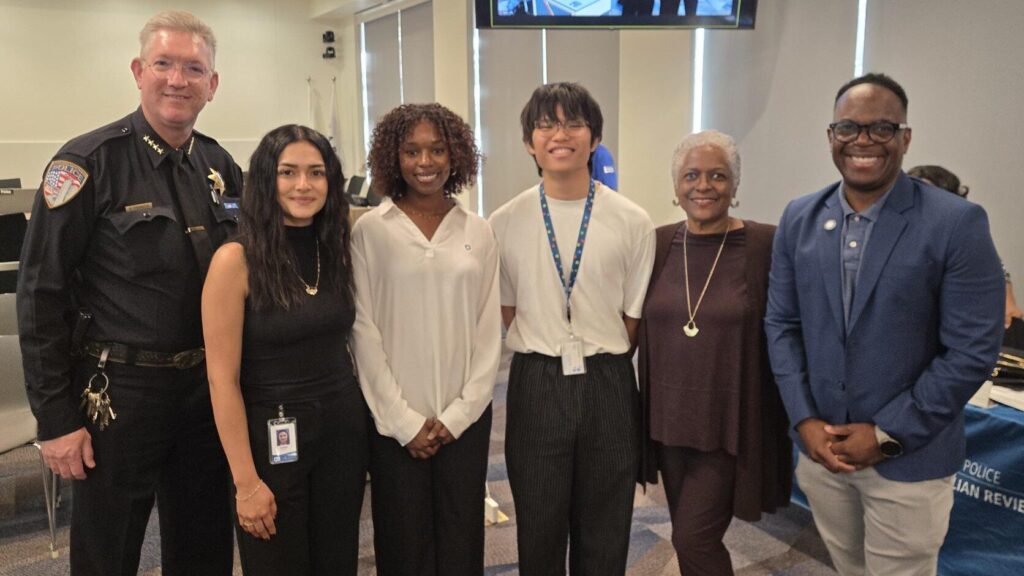
A concept developed by three young innovators through the Introducing Youth to American Infrastructure (iyai+) program is gaining support at Bay Area Rapid Transit (BART), Oakland, CA, demonstrating how engaging the next generation can help public transportation agencies address real-world challenges.
The BART Police Civilian Review Board (BPCRB) unanimously voted to authorize Chairperson Dana Lang to send a letter supporting the proposed Blue EnvelopE Program (BEEP), an initiative designed to improve interactions between BART Police and riders with autism or other hidden disabilities. The concept originated with BART’s Office of the Independent Police Auditor (OIPA) and was advanced by three BART Innovation Interns who developed an innovative smart-card approach.
The board’s endorsement encourages the BART General Manager and BART Police Department to work with OIPA to move the initiative forward.
“We believe the concept has the potential to make these interactions safer, more effective and more respectful for both riders and BART employees,” Dana Lang said in the letter, adding that BEEP aligns with the broader goals of civilian oversight, community engagement, transparency, and continuous improvement in policing.
From Youth Innovation to Transit Application
Blue Envelope programs help people communicate with law enforcement when a disability or neurodivergence may not be immediately apparent. BEEP explores how that approach could be adapted to the public transportation environment, giving participating riders a voluntary way to share information that may be helpful during interactions with police and other frontline employees.
The concept gained momentum this summer when three BART Innovation Interns—Samar Shimila, Saira Guevara, and Timothy Nguyen, who called themselves the “BART Bees”—were challenged to help OIPA explore how the Blue Envelope model could work at BART.
Their research and development culminated in a smart-card proposal that won the Grand Prize at the 2026 iyai+ Grand Innovation Challenge. Competing against teams of young adults representing universities and transit agencies across North America, the interns demonstrated how fresh perspectives and mentorship can contribute to practical transit solutions.
“For me, I don’t think it’s about winning,” Shimila said. “The real prize is the experience that you get out of it.”
Nguyen offered similarly straightforward advice to other aspiring innovators: “Be a sponge,” he said, encouraging participants to learn from mentors, teammates, and the opportunities available within transit organizations.
Guevara said the experience also changed her perception of BART, introducing her to mentors and colleagues and showing her the agency’s impact in the community.
Building on the Idea
Following their competition victory, the BART Bees presented BEEP to the BPCRB, bringing their proposal back to the agency where it originated. The board’s support marks an important step in exploring the concept’s potential, although implementation and a pilot program remain under consideration.
“I believe the Blue Envelope Program can make a meaningful difference in how we serve and interact with our riders, and I could not be prouder of our BART interns for taking that vision a step farther with the innovative BEEP smart card concept,” said BART Police Auditor Inez Gonzalez.
OIPA continues to work with the civilian review board, BART Police, other agency departments, and community partners, including members of disability and neurodivergent communities, to assess how BEEP could work and what would be required for a pilot.
The initiative illustrates the value of programs such as iyai+: by connecting young people with transit professionals and meaningful industry challenges, agencies can cultivate future talent while exploring ideas that make public transportation safer, more inclusive, and more accessible.