What Major Events Can Teach Transit Leaders About Lasting Impact
By Cynthia Eng | 10/7/2026
CYNTHIA ENG
Senior Vice President & General Manager, North America
Cubic Transportation Systems

Major events place public transportation systems under intense pressure. For a few days or weeks, agencies must move unfamiliar riders through crowded stations, manage sudden increases in demand, and provide clear information across languages and channels. The 2026 World Cup showed how well transit can rise to that challenge, while also making clear where systems can continue to improve. The real report card is not only how agencies perform during the event, but what their preparations continue to deliver after the crowds leave.
Cities preparing for future sporting events, concerts, festivals, and conventions should view each occasion as an opportunity to strengthen everyday service. That starts with planning around the full passenger journey and investing in improvements that serve long-term rider needs. A temporary shuttle may solve an immediate problem, but improvements to fare payment, accessibility, wayfinding, and network capacity can continue delivering value long after the final whistle.
An event deadline can also help agencies advance projects that communities already need, rather than treating the event as a standalone transportation effort. Leaders should identify upgrades that are feasible within the available timeline, then prioritize those with the clearest value once normal service resumes. Where permanent expansion is impractical, reusable assets and flexible service plans can provide a better return than single-purpose infrastructure. This approach keeps investment tied to regional priorities while meeting the immediate demands of the event.
Major events also demonstrate the importance of early coordination. A passenger’s journey may involve a transit agency, venue operator, local government, emergency services, and private transportation providers. Each organization may perform well on its own, but gaps between them can create confusion. Agencies should establish shared plans, clear responsibilities, and common channels for timely information well before opening day. Practice exercises and smaller local events can reveal weaknesses while there is still time to address them.
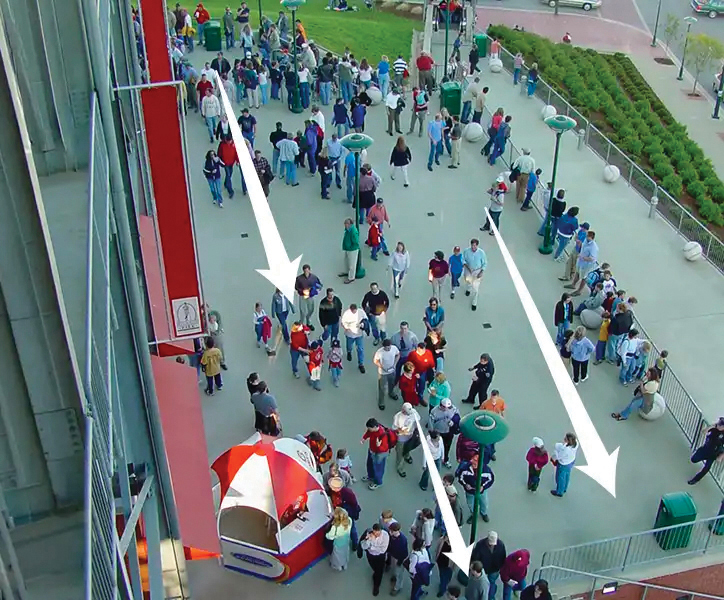
Flexibility is equally important. Event demand rarely follows a perfect forecast. Weather, schedule changes, or unexpected crowd behavior can quickly alter travel patterns. Agencies need a shared, current view of services, stations, fare conditions, and surrounding roads so teams can adjust schedules, deploy staff, and communicate alternative routes. Technology can support these decisions, but trained employees with the authority to act remain central to an effective response.
The passenger experience deserves the same attention as operational capacity. Occasional riders may be unfamiliar with the network, fare rules, or local language. Simple payment options, visible staff, accessible routes, and clear updates can reduce uncertainty and keep people moving. These improvements also help residents who encounter the same barriers during everyday journeys.
Finally, agencies should measure more than attendance and ridership totals. A meaningful transit report card should include reliability, boarding times, fare payment performance, accessibility, customer feedback, and the speed of recovery after disruptions. Reviewing that information with partners can turn lessons from one event into a practical guide for future operations.
The lasting value of a major event becomes clear after the crowds have gone. When agencies connect event preparations to long-term transportation goals and measure what they learn, a fixed deadline can move overdue improvements forward, strengthen partnerships, and build public confidence. The result is a transit system better prepared for the next major occasion and more responsive to riders every day.