GCRTA Begins $435 Million Rail Fleet Modernization With Arrival of First New LRV
9/16/2026
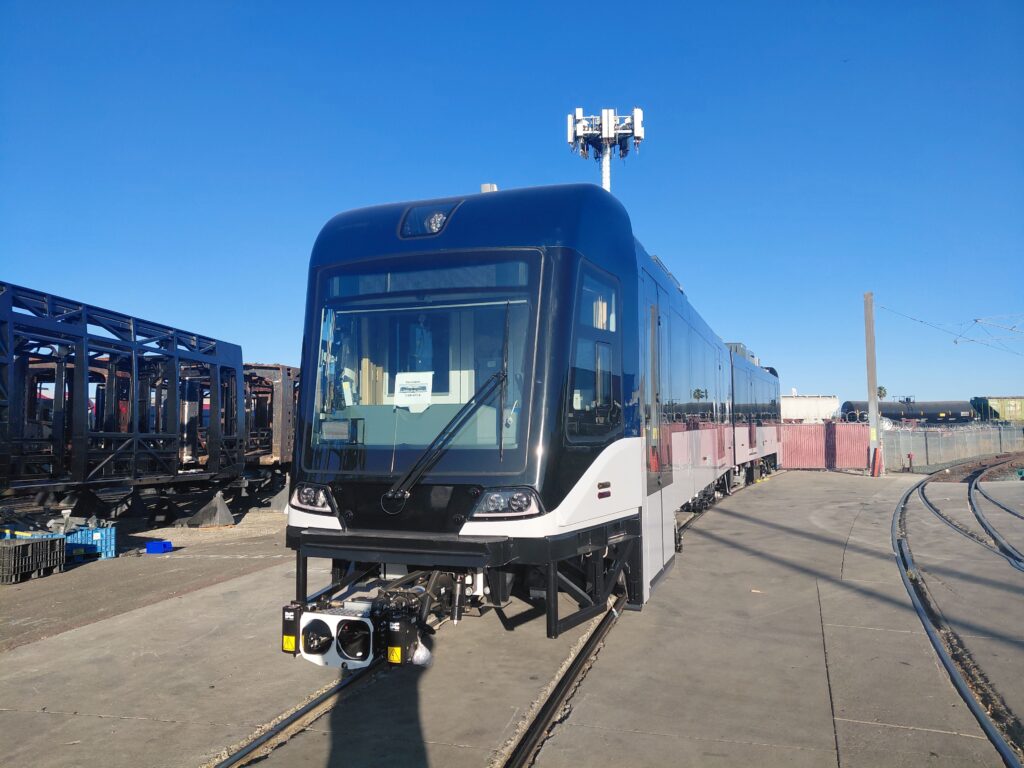
The Greater Cleveland Regional Transit Authority (GCRTA), OH, has begun a major modernization of its rail fleet with the arrival of its first Siemens S200 light rail vehicle (LRV), the first of a new generation of railcars that will replace the agency’s aging fleet.
The new vehicles are part of a $435 million investment designed to improve safety, reliability, accessibility, and passenger comfort across GCRTA’s rail system.
The S200 LRVs are designed with a range of features focused on the passenger experience. Each vehicle will have 52 easy-to-clean seats, additional standing space, and four designated wheelchair areas. Two bicycle racks will accommodate multimodal trips, while an onboard infotainment system will provide passenger information.
The vehicles also are designed to meet the demands of Cleveland’s winter weather. Ice-cutting technology will help the railcars operate in severe conditions, while the driver’s cab will feature dedicated heating and cooling, a heated windshield, and improved visibility.
“This arrival is more than just new equipment; it’s a promise kept to our riders,” said India L. Birdsong Terry, GCRTA general manager and chief executive officer. “These new LRVs are catalytic for the health and economics of Greater Cleveland. They will promote increased ridership and encourage transit-oriented development along the Red Line communities from East Cleveland to Cleveland Hopkins International Airport.”
Before entering passenger service, each railcar will undergo safety and commissioning tests at GCRTA’s Brookpark rail yard and throughout the rail system. The new vehicles are scheduled to begin revenue service on the Red Line in summer 2027, followed by service on the Blue and Green lines in summer 2028.
The fleet replacement will provide GCRTA with a modern railcar platform while supporting more reliable service and improved accessibility for passengers across the agency’s rail network. The investment also is intended to strengthen the role of rail transit in supporting development and economic activity along the communities served by the system.