World Cup Proved What Public Transit Can Do—Federal Investment Will Keep Us Delivering
By Paul P. Skoutelas | 8/3/2026
PAUL P. SKOUTELAS
President and CEO
APTA
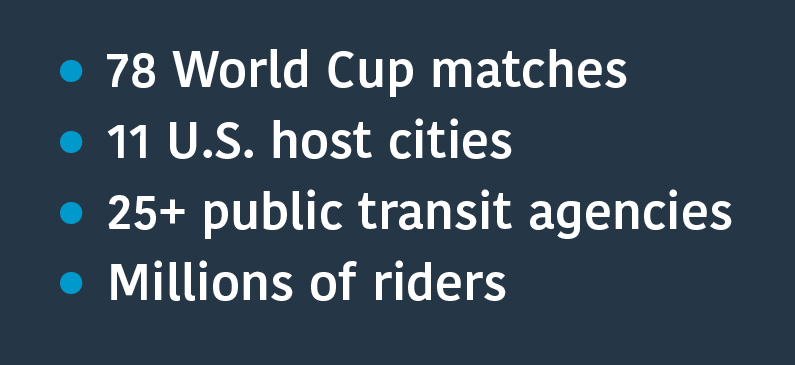
The 2026 FIFA World Cup was a test for our nation’s public transportation systems. From Kansas City to Dallas, Seattle to Boston, Los Angeles to New York, public transportation moved millions. Public transit filled hotels, drove spending at restaurants and shops, and brought visitors into neighborhoods across 11 U.S. host cities.
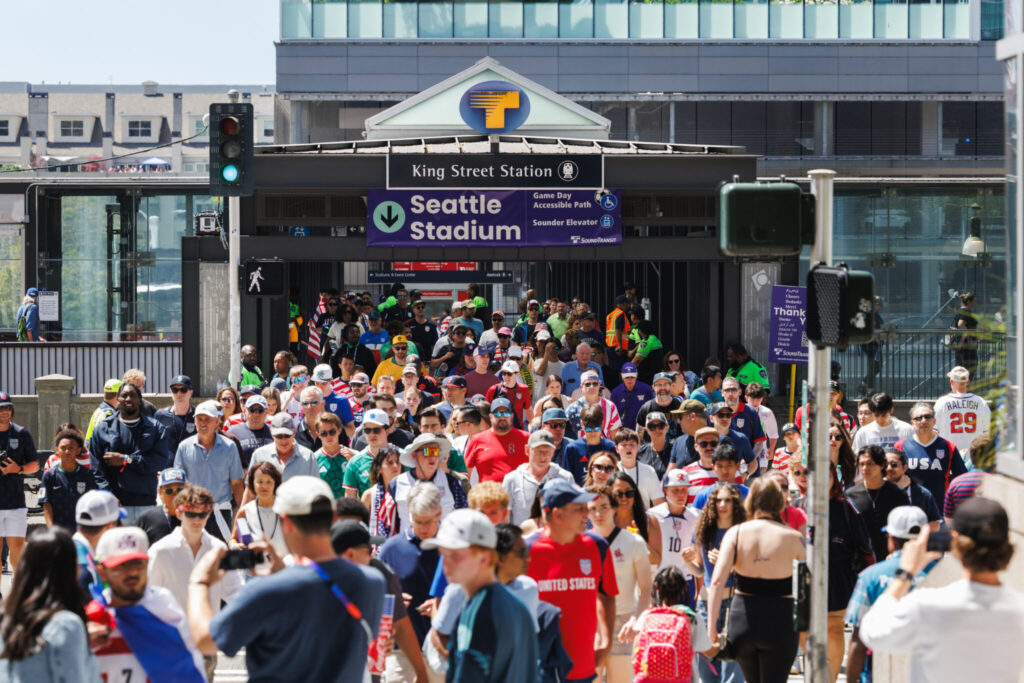
Across the country, transit agencies delivered at an extraordinary scale—adding new routes; extending service hours; strengthening staffing and security; and connecting fans with stadiums, restaurants, shopping, and must-see attractions and neighborhoods.
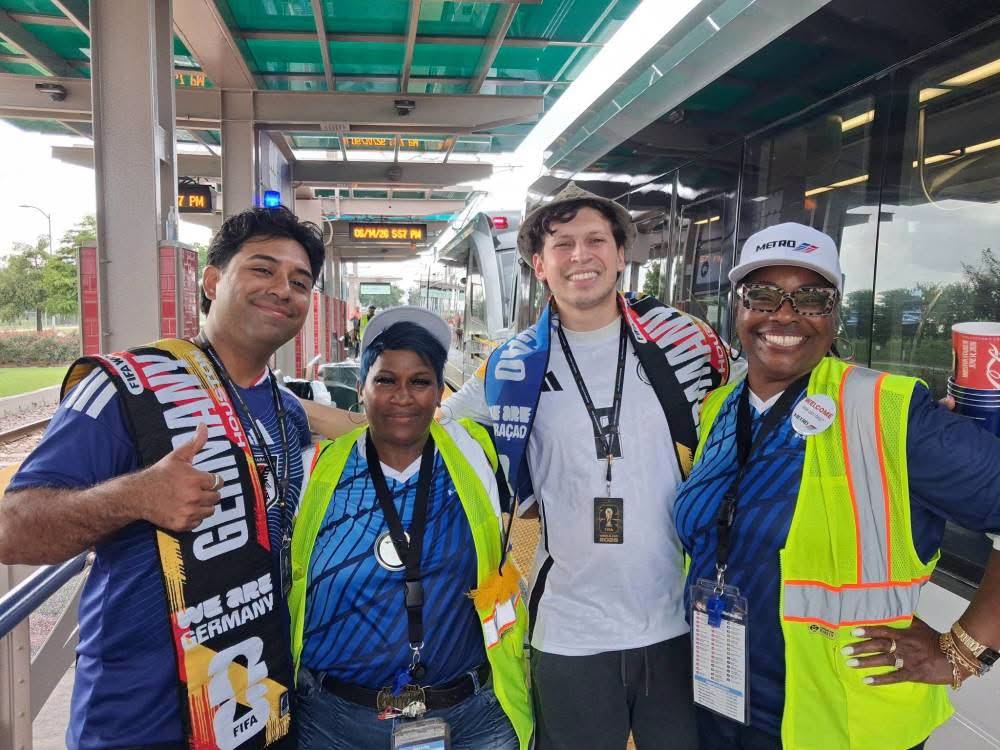
For 78 matches over 40 days, public transportation helped hundreds of thousands of visitors reach matches and fan festivals safely, affordably, reliably, and on time. Affordable stadium shuttles drove ridership to record highs, while more frequent trains, rapid-response buses, and transit ambassadors kept massive crowds moving smoothly.
We all can take pride in what our public transit systems achieved during the World Cup. But to keep that level of performance going—and getting better—we need to be honest about what we need: sustained federal investment.
Funding public transportation keeps our buses, trains, and rail lines running and our economy growing. Public transit is a prerequisite for hosting major events like the World Cup. It is also essential to American productivity, competitiveness, and economic growth. It powers industries, supports good-paying jobs, strengthens businesses, and helps communities and families thrive. That means factory workers building stations and rail lines, engineers designing the next generation of clean energy vehicles, and commuters getting to work on time.
This is an industry that directly employs more than 450,000 people and supports millions more jobs in the private sector. In fact, every $1 invested in public transit returns $5 to the U.S. economy. Nearly 80 percent of federal funding invested in transit flows to American companies, even in places where there is little or no public transportation.
Now that the World Cup is behind us, what’s next?
More mega events are coming. The 2027 NFL Draft will bring massive crowds to the nation’s capital, Los Angeles will host Super Bowl 61 as well as the 2028 Summer Olympics, and global entertainers are announcing U.S. tour schedules.
Right now, Congress is hoping to pass a transportation bill that will fund public transit for the next five years. The opportunity in front of lawmakers is simple: build on what works.
Sustained federal funding will allow us to meet growing mobility demands; support businesses and communities of all sizes; and drive innovations in safety, security, and the rider experience.
The World Cup was the proving ground. The challenge now is preparing for what comes next.
We’ve shown what public transportation can do when it has the resources. With continued and growing investment over the next five years, public transit can deliver even more for everyone, every day.