Testing What Works: NJ TRANSIT and RTD Pilot New Ways to Connect Riders
11/4/2026
From accessible shared rides in South Jersey to bike and scooter connections in Denver, public transit agencies are testing different ways to meet local transportation needs.
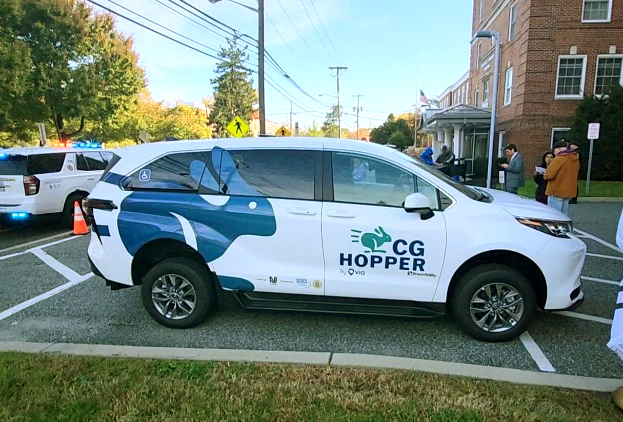
NJ TRANSIT introduced a free, on-demand shared-ride pilot service for seniors and people with disabilities in parts of South Jersey. The 18-month pilot is operated by Via in partnership with Senior Citizens United Community Services and Camden and Gloucester counties. Called the CG Hopper, the service provides accessible minivan trips within the service area and connects riders to NJ TRANSIT bus stops, rail and light rail stations, and Access Link service areas.
“The CG Hopper is a direct investment in South Jersey and the residents who count on accessible transportation most,” said NJ TRANSIT President and CEO Kris Kolluri. “We’re giving seniors and people with disabilities a free, flexible way to travel across county lines.”
Gloucester County Board of Commissioners Director Frank J. DiMarco said, “This pilot program will allow our most vulnerable citizens the opportunity to remain independent and expand our paratransit operations to include longer operational hours and Saturday service.”
Residents age 60 and older and people with disabilities in both counties are eligible. Riders can book by phone or through the CG Hopper app. The Alan M. Voorhees Transportation Center at Rutgers University helped inform the pilot’s development and will analyze service data and evaluate outcomes to guide future mobility initiatives.
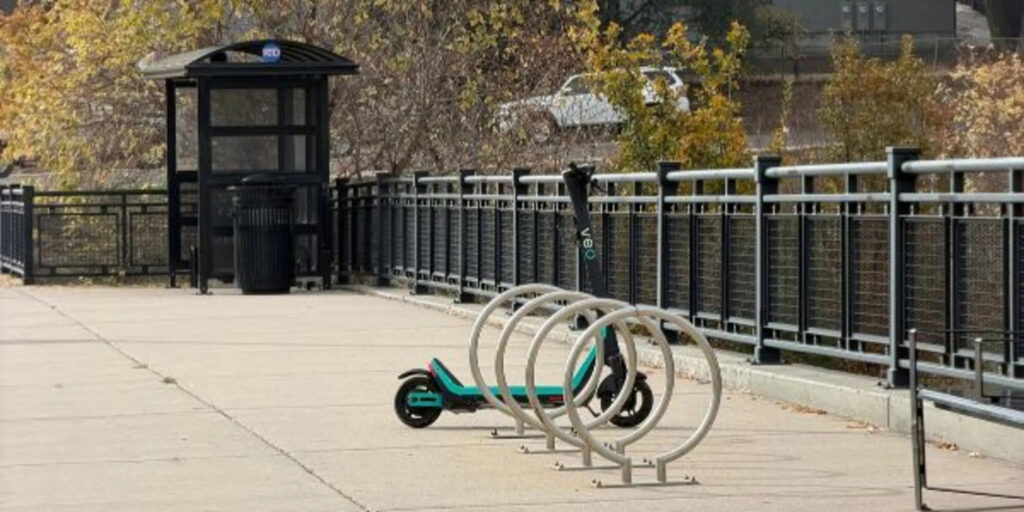
Regional Transportation District (RTD) in Denver, CO, is testing a different approach to connecting riders to two stations. Its First Mile Free pilot covers the first mile of Veo scooter and e-bike trips ending at the University of Denver and Knox rail stations. The pilot is funded by an RTD Partnership Program grant that runs through December 2027.
“The First Mile Free program is an example of how the Partnership Program helps fund innovative pilots to improve access and mobility throughout the RTD service area,” said RTD Partnership Program Administrator Cory Schmitt.
Riders unlock a vehicle through the Veo app and end their trip within a designated area at either station. Ending at a designated area is required to get the first mile for free, which helps address the issue of leaving the shared scooter or e-bike on a sidewalk, platform, or other area.
“This improves the operating environment and customer experience by keeping a station clear of scooters,” said Schmitt.
RTD anticipates opening its next call for projects in the second quarter of 2027, during which new and existing program sponsors can apply for Partnership Program funding to launch or expand transit services or other innovative mobility projects within the service area.