Safety First: Rebuilding Trust in Public Transit
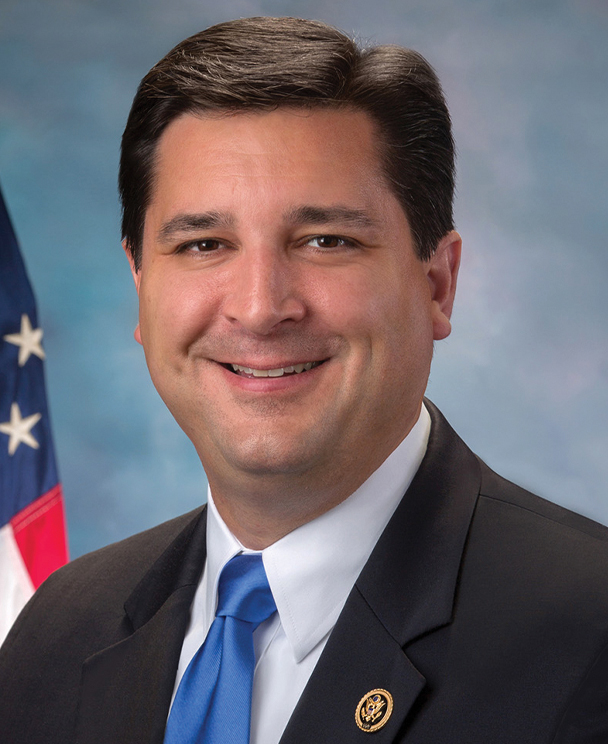
By Rep. David Rouzer (R-NC) | 4/13/2026
REP. DAVID ROUZER (R-NC)
Chair
Transportation and Infrastructure Subcommittee on Highways and Transit
Public transportation is more than a commute. From buses and streetcars to ferries and rail, transit systems are the connector for many people to get around, whether for work or some other destination. Public transportation can be especially vital in rural communities where reliable transportation options may be limited. But none of that matters if riders don’t feel safe using the system.
As Chairman of the House Transportation and Infrastructure Subcommittee on Highways and Transit, I believe safety is the foundation of a successful transit system. Riders shouldn’t have to weigh personal risk when determining how to travel. Our transit workers—the operators, mechanics, station staff, and security personnel—shouldn’t have to wonder if their next shift could put them in harm’s way. When fare evasion becomes routine, violent incidents rise, crime goes unchecked, and public confidence collapses. Ridership drops and service is reduced. Communities, especially those with fewer transportation options, pay the price.
Unfortunately, safety aboard public transit has hit very close to home. My state tragically lost a life when Iryna Zarutska was brutally murdered this past August on Charlotte light rail. This tragedy should be a wake-up call for every transit agency and policymaker in the country. The traveling public deserves better, and so do the men and women who work around the clock to get riders safely to their destinations. We cannot normalize violence on transit systems, and we cannot accept a system where riders feel abandoned the moment they step onto a platform.
In response to Iryna’s tragic murder, I held a transit safety roundtable, bringing together transit officials, law enforcement, and stakeholders to talk candidly about what’s working and what isn’t. Persistent crime on transit means something has to change. The roundtable facilitated a discussion on concrete solutions, including how to better coordinate with local law enforcement, improve how cameras and lighting are used in transit facilities, increase visibility of officers in stations and vehicles, establish clear protocols for emergencies, and implement data-driven strategies to reduce fare evasion, which can fuel disorder and put frontline workers in difficult positions. Undoubtedly, the roundtable informed several solutions to be included in the upcoming Surface Transportation Reauthorization Bill. I am pleased, under the leadership of Transportation Secretary Sean Duffy, the Federal Transit Administration has renewed its focus on ensuring safety on federally funded transit systems.
In addition to making transit safe, the upcoming reauthorization bill will also focus on making transit work for all users. This past year, the subcommittee held a hearing focused on ensuring federally funded transit systems are working to meet the needs of the communities being served. One size does not fit all, especially when we’re talking about how to efficiently and safely move people in communities of various sizes and geographies. What works in a large urban rail network may not translate to a smalltown bus route, a coastal ferry system, or a rural demand-response or vanpool service. Providing increased flexibility to states and transit agencies ensures every system can best protect its riders and workers.
I’m pleased the Trump Administration is taking action to hold large transit systems accountable for reducing crime and fare evasion to improve security for passengers and workers alike. I commend Secretary Duffy for conducting oversight that is long overdue. Congress remains committed to collaborating with the Administration to advance commonsense reforms to put riders first. We have a real opportunity in the next Surface Transportation Reauthorization Bill to help ensure safe transit commutes while giving local transit providers funding flexibility to deliver high-quality service. After all, transit should be safe and connect Americans to opportunity.