Public Transportation Agencies Celebrate Disability Pride Month
7/28/2026
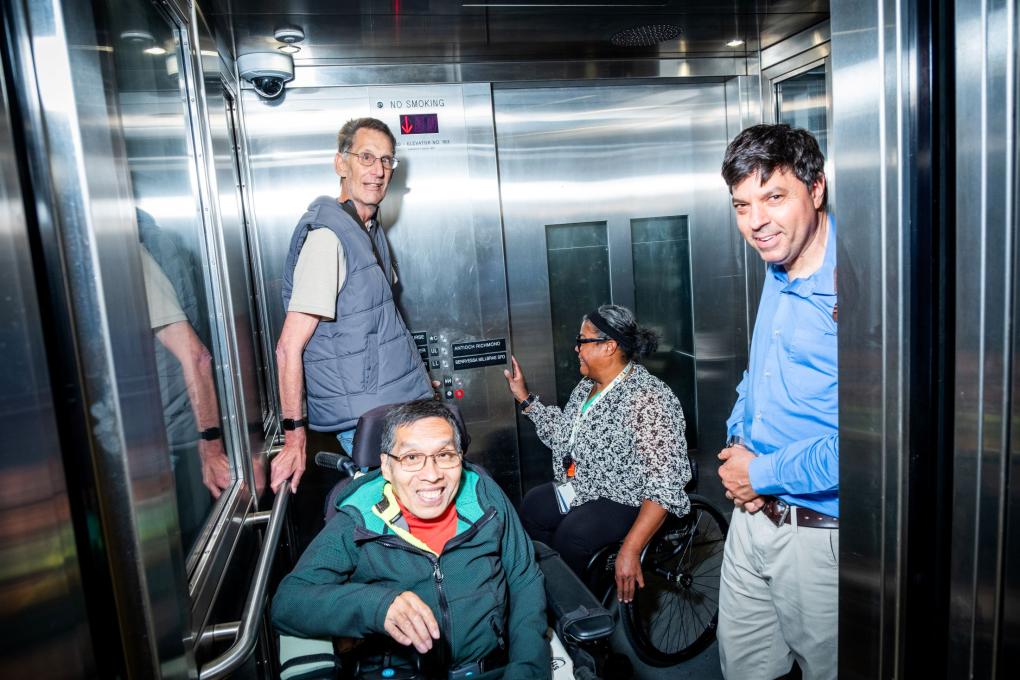
Public transportation agencies are marking Disability Pride Month in July, a national observance that coincides with the anniversary of the Americans with Disabilities Act (ADA), signed into law July 26, 1990. The month celebrates disability identity, culture, leadership, and community while underscoring the ongoing work to make access part of everyday life.
At Bay Area Rapid Transit (BART), Oakland, CA, the agency shared how accessibility has been foundational to the system. BART became the first major U.S. transit system to build elevator access into every station before opening in 1972. That decision was shaped by disability rights advocate Harold Willson, whose collaboration with agency directors led to mandatory accessibility upgrades across the system.
BART also recognized the legacy of disability rights advocate Hale Zukas, who co-founded the BART Accessibility Task Force in 1975. The current task force meets monthly to provide guidance on disability-related issues and advocates to make the system accessible for all. Recently, input from the task force led to a modified new train car floor plan that accounts for more than one wheelchair user in a group, wider aisles, and intercoms positioned at wheelchair-accessible height.
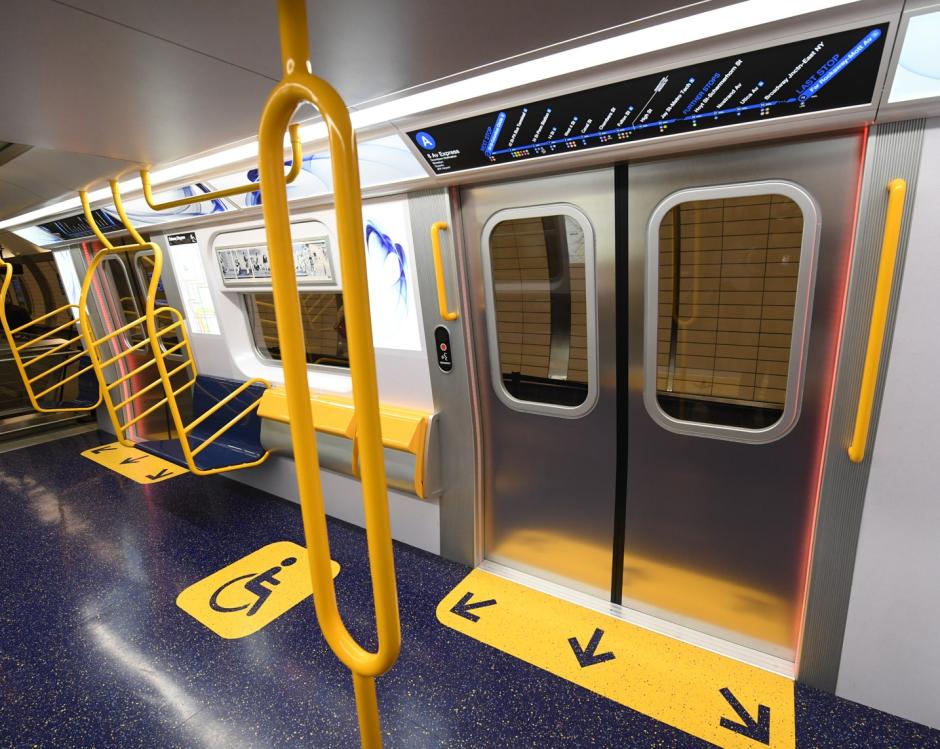
The New York Metropolitan Transportation Authority (NYMTA) highlighted a broader shift “from access to belonging” across subways, buses, commuter rail, paratransit, technology, and customer experience. The agency reports more than 160 fully accessible subway stations, nearly 11 times the number that were accessible when the ADA passed.
In 2026, the agency completed 15 elevator replacements, part of more than 100 elevator replacements since 2020. Its accessibility work includes an American Sign Language pilot, NaviLens, apps that are tested for accessibility, and Access-A-Ride, which delivers service to some 50,000 daily riders.
Reflecting the 2026 Disability Pride Month theme, “The World Works Better with Us,” the Regional Transportation District (RTD), Denver, CO, posted about important contributions, perspectives, and leadership of people with disabilities. The agency also shared resources and local events celebrating Disability Pride Month and reaffirmed its commitment to equitable mobility, community partnerships, and accessible transportation for all.
The Chicago Transit Authority (CTA) marked the month by sharing information about its All Stations Accessibility Program. Through the program, CTA has established a blueprint to make all non-accessible rail stations vertically accessible by 2038. The plan includes station concepts, cost estimates, and phasing; rehabilitation or replacement of existing station elevators; and improvements to signage and wayfinding for riders who are deafblind, blind, or visually impaired.
Amtrak recognized the ADA anniversary by highlighting accessibility improvements across its national network. The agency is working to make more of its stations ADA compliant: 306 station designs have been completed, 86 projects are underway, and 132 projects are scheduled for construction through 2030. Amtrak’s NextGen Acela fleet and new Airo trainsets are designed for better accessibility, and a partnership with Be My Eyes will help blind and low-vision customers navigate 51 stations in real time.