Preserve Strong Investment in Transit to Create Jobs and Improve Safety
By Rep. Rick Larsen (D-WA) | 4/13/2026
REP. RICK LARSEN (D-WA)
Ranking Member
Transportation and Infrastructure Committee
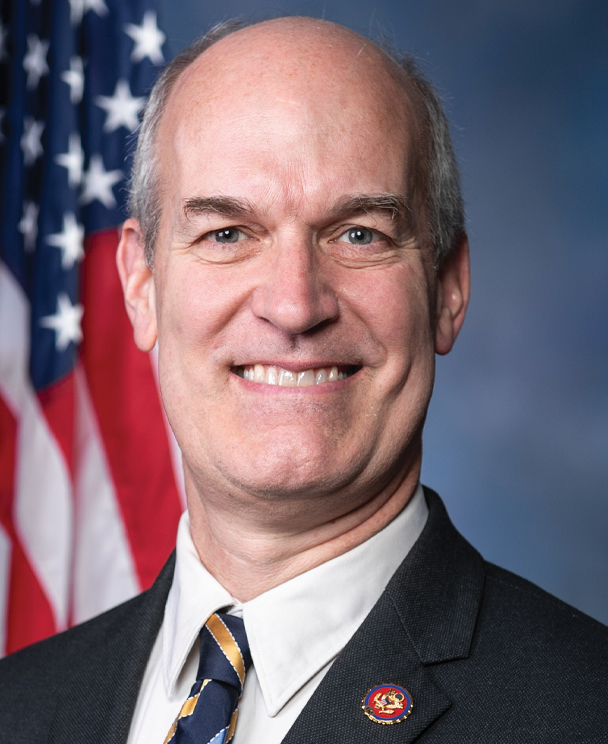
Public transportation moves millions of Americans—like me, a frequent Metro rider—every day while cutting pollution, relieving traffic congestion, and creating good-paying transportation jobs. Yet many people can’t reap the benefits of transit for their transportation needs. As Ranking Member of the House Transportation and Infrastructure (T&I) Committee, I’m working to change that.
The Bipartisan Infrastructure Law (BIL) made historic investments to build more convenient, affordable, safer, and accessible transportation infrastructure, and we need to keep it going. I’m working with my colleagues on the T&I Committee to continue strong investment in the upcoming surface transportation reauthorization bill.
The BIL invested $660 billion in transportation over the past five years, spurring 113,000 infrastructure projects and 750,000 jobs, with more to come. Communities in every single congressional district are reaping the benefits of these federal dollars. In my home state of Washington, for example, Community Transit is replacing diesel buses, while Snohomish County is increasing the capacity of its intermodal rail yard.
These investments are working. Transit systems across the country are finally getting back to and exceeding pre-pandemic levels of ridership. And families are saving $700 every year thanks to better transportation and infrastructure.
But we’re far from done. The -American Society of Civil Engineers incrementally upgraded our infrastructure report card grade from a “C-” to a “C,” but we still face a $3.5 trillion infrastructure funding gap over the next decade.
I am fighting to preserve strong investment in transit and to maintain the historic split between highway and transit investments in the Highway Trust Fund (HTF).
I am fighting back on any attempts to eliminate transit funding.
Failure to invest in transit will hurt commuters and the economy, clogging roads for drivers and polluting communities. I stand by my previous comments that eliminating federal transit funding is a heavy-handed, top-down, egghead think tank idea that needs to die.
I am also fighting against attempts to tie the hands of transit agencies. Flexibility is a hallmark in how Congress provides funding to state departments of transportation for highway and bridge funding, and transit should be no different.
The transit needs in my district are not the same as New York City, and New York City’s transit needs are not the same as the Cocopah Tribe in Arizona. Communities need to know that they will have the certainty to pursue projects that fit their needs.
Another through-line across every region in the country is the desire for more and improved intercity passenger rail service. With Amtrak’s historic ridership last year and passenger rail rebounding in cities across America, Congress needs to deliver steady, dedicated funding to build on recent successes. I’m committed to building on the progress from the BIL—which made the largest passenger rail investment since the creation of Amtrak over 50 years ago—to create jobs, grow the economy, and connect communities.
A top priority in the surface bill continues to be safety. Last year, over 39,000 people were killed in motor vehicle crashes. That’s unacceptable. Giving travelers alternatives like transit—which is 10 times safer than traveling by car—is part of the solution. Maintaining the progress made under the BIL, including continuing the current role of the joint labor-management safety committees, is another.
The T&I Committee continues to be an island of partnership in a sea of partisanship. From the FEMA Act of 2025 to the Coast Guard Authorization Act of 2025, Chairman Graves and I have worked together to advance bipartisan bills that create jobs, improve safety, and invest in the nation’s infrastructure. I want to see the surface transportation reauthorization be the next example.