NYMTA Breaks Ground on Next Phase of Second Avenue Subway: Boost to Construction Jobs
6/12/2026
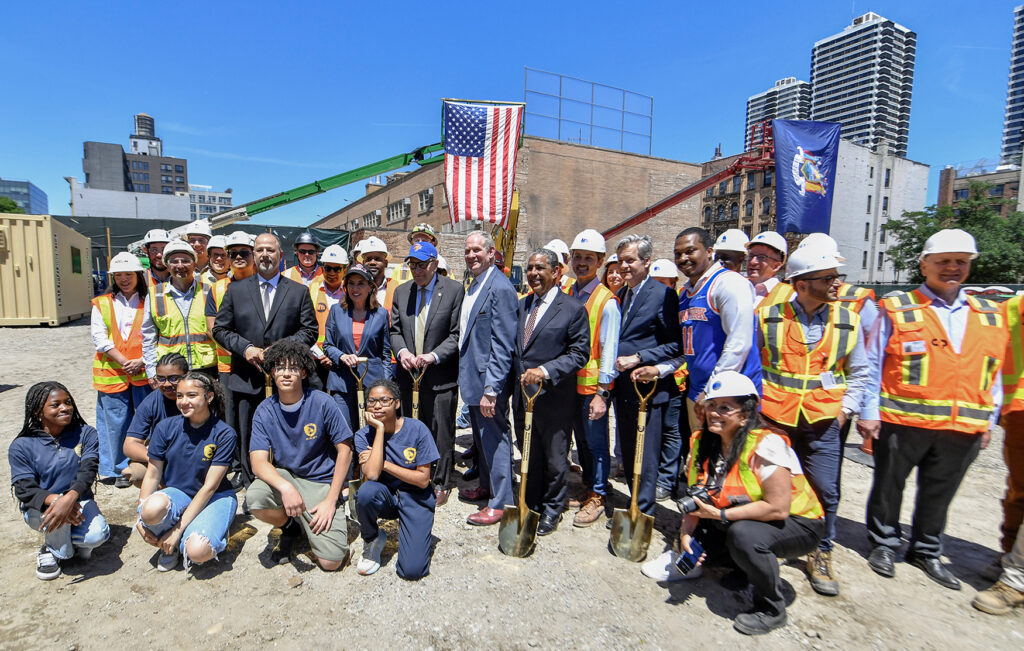
New York Metropolitan Transportation Authority (NYMTA) leaders were joined by elected officials and Harlem community representatives to break ground on the major construction stage of Phase 2 of the Second Avenue Subway. The project to extend Q train service will add three new accessible stations and boost new construction jobs.
Expanding Transit Access
“The Second Avenue Subway will change everything for East Harlem, saving people precious time and making possible opportunities that have for too long been out of reach for too many,” said Governor Kathy Hochul.
Seventy percent of East Harlem residents rely on transit. Phase 2 is designed to shorten trips by up to 20 minutes and provide rides from East Harlem to the Upper East Side, West Midtown, and Coney Island. NYMTA Chair and CEO Janno Lieber said the milestone advances a project with deep community significance. “Today’s groundbreaking is another major step toward transit justice for East Harlem.”
Cost Savings and Economic Impact
NYMTA is applying lessons learned from Phase 1 to deliver more than $1 billion in savings. The agency is on track to complete advanced utility relocations early, enabling pending work to begin six months sooner than originally scheduled. Savings strategies include reusing tunnel segments built in the 1970s between 110th and 120th streets, acquiring real estate early, and using best-value and performance-based contracts, as well as coordinating contracts more closely.

The project is expected to create thousands of jobs, including union-wage construction jobs. NYMTA has set a 20 percent local hiring goal, intended to generate job opportunities for hundreds of East Harlem residents.
Looking toward the future, a potential further extension would add another three new stations and serve more than 160,000 daily riders. If advanced, that work could continue using much of the same equipment from Phase 2, providing additional time and cost efficiency.