Miovision Introduces AI Platform to Streamline Traffic Engineering and Network Management
8/11/2026
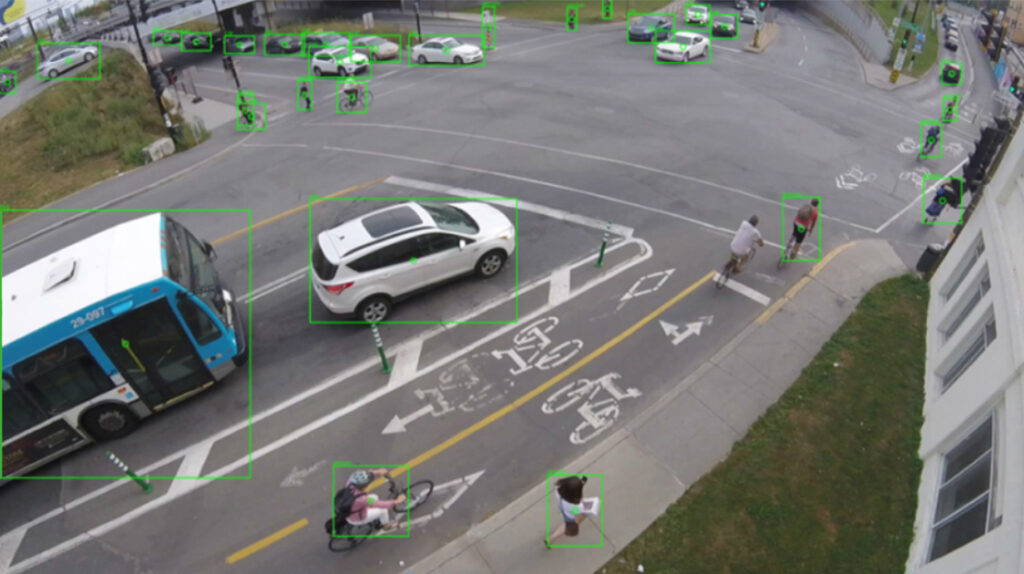

Miovision has launched an artificial intelligence-powered platform designed to modernize how transportation agencies conduct traffic studies, analyze roadway performance, and manage signalized intersections.
The new Traffic Studies for Miovision One platform brings together temporary traffic study workflows and permanent intersection management into a single system, allowing engineers to collect, analyze, and act on transportation data without moving information between multiple software applications.
The introduction reflects a broader trend across the transportation industry as agencies increasingly deploy artificial intelligence and integrated data platforms to automate labor-intensive engineering tasks, accelerate decision-making, and improve the performance of roadway and transit networks.
Traditionally, traffic studies require engineers to coordinate field equipment, gather data from multiple sources, validate results, export datasets, and manually prepare reports before operational decisions can be made. By consolidating those functions into one platform, Miovision aims to reduce the time spent on administrative processes and allow transportation professionals to focus on evaluating potential improvements.
A key component of the platform is Mateo, Miovision’s generative AI assistant, which is designed specifically for traffic engineering applications. Rather than simply organizing data, the AI assistant can answer questions about individual studies, summarize findings, identify anomalies, generate reports, and provide engineering insights based on millions of traffic observations.
The use of domain-specific AI distinguishes a growing class of transportation technologies from more general-purpose artificial intelligence tools. Instead of requiring engineers to manually interpret large datasets, AI assistants trained on transportation workflows can rapidly surface patterns and recommendations while reducing repetitive analytical tasks.
“Until now, data from temporary traffic studies has remained separate from Intelligent Transportation System solutions,” said Kurtis McBride, Miovision chief executive officer. “Traffic Studies for Miovision One brings temporary and permanent traffic data together on a single platform, helping agencies make faster, better-informed decisions across their network.”
The platform’s unified architecture also addresses a longstanding challenge for transportation agencies: integrating data collected during temporary field studies with the continuous stream of information generated by permanent intelligent transportation system (ITS) infrastructure. Bringing those datasets together provides engineers with a more comprehensive understanding of network performance and enables more consistent, data-driven planning.
For public transportation agencies, advances in AI-powered traffic management technologies have implications beyond roadway operations. More sophisticated traffic analytics can support transit signal priority, improve bus travel-time reliability, optimize multimodal intersections, and enhance coordination between traffic management centers and transit operations.