Expertorial: Genfare—Every Tap Tells a Story: Turning Transactions into Better Transit
10/9/2026
SPECIAL ADVERTISING SECTION
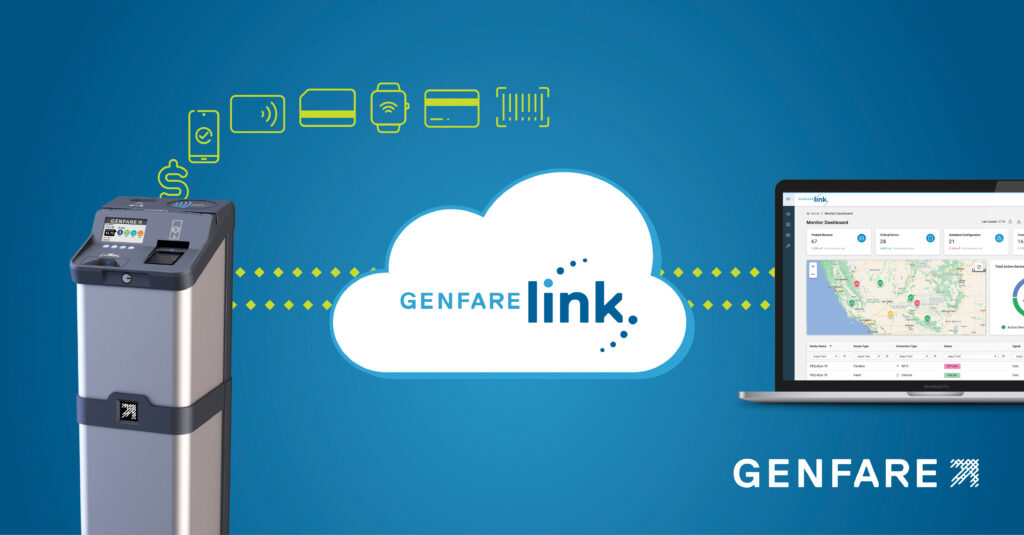

Every day, riders make choices about how they move. They expect transportation to be convenient, flexible, and easy to use. Public transit must evolve to meet those expectations and compete in an increasingly connected world.
Modernization conversations have long focused on how riders pay, but the next opportunity goes beyond the transaction itself. Every fare interaction creates information. Across thousands of transactions, patterns emerge about travel, payments, and demand. Connected equipment provides information about device health, revenue, and performance. Put that information to work and connected taps become an operational resource.
Modernization = Connection
Modernization doesn’t require choosing between digital and cash, validators and fareboxes, or speed and equity. New technology can preserve the reliability, accessibility, and choice transit requires.
A farebox, validator, TVM, or mobile application becomes more valuable when IoT and cloud software connect it to a common platform, turning infrastructure into a data-generating asset.
The future is smarter infrastructure.
One System, Many Stories
The value of fare data extends across an agency. Operations can identify demand. Maintenance can monitor equipment. Finance can track revenue. Planning can evaluate service changes, events, or payment options. Leadership can see how ridership, revenue, technology, and equipment performance interact.
Similarly, sustained transaction patterns across a route, time, or payment type can reveal operational changes. This data also enables predictive analytics and AI. AI isn’t the starting point. Connected, accessible and trustworthy data is.
Data in Action
VIA Metropolitan Transit deployed Fast Fare fareboxes and Genfare Link with tap-to-pay. In four weeks, VIA recorded 6,000+ open payment transactions, improved on-time performance, and fewer maintenance calls.
Palm Tran introduced open payment, smart cards, mobile ticketing, and fare capping while maintaining cash acceptance. It saw 10 percent of ticket sales move to Mobile Link, 5,000 riders register in the first month, and 23,000 mobile downloads.
CDTA moved from magnetic fare media to a cloud-based system supporting smart cards and its Universal Access program. Connected data supports partnerships with universities, employers, and other organizations while providing greater flexibility for different rider populations.
Modernization is about an ecosystem capable of adapting to an agency and its riders.
Competing for the Rider
Public transit competes for trips with cars, rideshare, and other mobility options. Riders expect connected experiences offering real-time information, simple payments, and immediate feedback.
Data helps agencies respond to changes in demand, inform planning, and identify equipment problems before riders encounter them. Data provides another tool for understanding the people and systems they serve.
Transit must also serve riders who rely on cash or are unbanked. Digital payment options can expand choice, but moving cash off-board may create another barrier for riders who depend on it. One rider may tap a card, another a mobile wallet, and another cash. A modern system should accept whatever form of payment is in the rider’s pocket while giving the agency a unified view.
The goal should be to make the system work for more riders.
Modernization – Starting Over
Agencies have spent years building infrastructure, integrations, processes, and institutional knowledge. Modernization shouldn’t require abandoning those investments.
Cloud platforms centralize information, APIs connect systems, modular hardware evolve, and new payment methods complement current ones.
Nobody knows exactly what fare collection will look like ten years from now. Payment technology and rider expectations will change. Analytics and AI will create new possibilities, and agency priorities will evolve. Future-ready infrastructure must adapt to changing needs.
Its value comes from what it collects and what it connects. The real opportunity is connected infrastructure.
Every Tap Tells a Story
As agencies connect more information, the question shifts from “How much data do we have?” to “What can we learn from it?” Where is demand changing? Which equipment needs attention?
Fare collection is more than a mechanism for collecting revenue. It is part of the information infrastructure agencies can use to understand operations and riders.
Every transaction represents a person making a choice. A professional commuting to work. A student heading to class. A family traveling to the library. A mother relying on transit to reach an appointment.
Connected over time, those interactions reveal how, when, where people travel and pay, which in turn uncovers opportunities to serve riders better.
Every tap tells a story. The opportunity for transit is turning those stories into action.
Sara Edney
Genfare Link Product Manager
www.genfare.com