APTA Member Profile: Dawn M. Kruger, Parsons Corporation
10/6/2026
Vice President
Parsons Corporation
Chicago, IL

Describe your organization’s history, size, cope, mission, and priorities.
For more than 80 years, Parsons has helped our rail and transit clients solve complex infrastructure challenges. Founded in 1944, we have more than 20,000 employees supporting transportation, critical infrastructure, cybersecurity, and defense programs. In transit, we partner with agencies and organizations across North America to plan, design, deliver, modernize, and protect their networks. Our priorities include modernizing aging infrastructure, improving reliability, integrating technology, advancing sustainability, and helping clients deliver programs that improve services, mobility, safety, and quality of life for the surrounding community.
What types of public transit projects does your organization support?
We support a wide array of projects, including commuter rail, light rail, bus rapid transit, automated people movers, stations, maintenance facilities, and multimodal programs. Our current work includes the Gateway Hudson Tunnel Project, Amtrak’s B&P Tunnel Program, NJ TRANSIT’s Newark Penn Station, various WMATA modernization programs, BART system upgrades, and Sound Transit’s light rail expansion.
In Canada, we’re partnered with TTC, Metrolinx, and TransLink, to name a few. Essentially, we’ve supported nearly every major transit agency in North America. Our expertise includes design, communications-based train control, signaling, systems integration, electrification, cybersecurity, digital solutions, asset management, and program/construction management.
What challenges and opportunities does public transit currently face, and how is your organization addressing them?
Transit agencies face many challenges, including the need for system technology upgrades, system expansions, workforce shortages, resiliency improvements, and funding constraints. They also have significant opportunities to modernize operations, improve sustainability, and enhance customer experience. Parsons helps address these challenges through integrated engineering, digital innovation, and program delivery expertise. We understand our clients and continuously engage in dialogue to ask candid questions and obtain direct feedback so we can best support them.
What impact has your organization had on the U.S. economy?
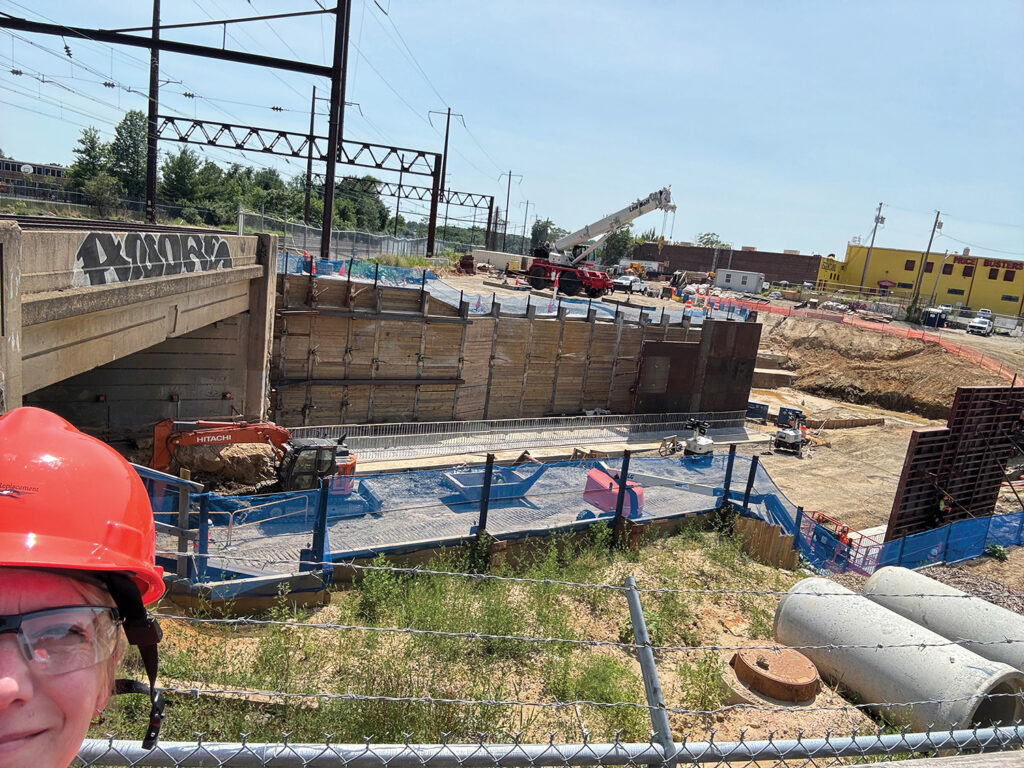
Transit infrastructure supports economic growth by connecting communities, expanding access to jobs, and strengthening regional competitiveness. Through our work on major transportation investments, Parsons has helped to advance infrastructure that improves mobility and reliability for millions of customers. These investments support construction and skilled workforce opportunities, reduce congestion, increase productivity, and create long-term economic benefits.
What attracted you to the industry?
Early in my career, I supported industrial clients in oil and gas, pipelines, and chemical manufacturing. My first venture into transportation in 2001 was a major expansion program at Cleveland Hopkins International Airport, followed by rail and transit projects for CATS and the Chicago CREATE program. With experience working in many markets over 33 years, what culminated in my love of the rail and transit industry was my role leading Parsons strategy to become delivery partner for the Hudson Tunnel Project and the exposure that brought me to the rail and transit community—a community like no other.
APTA has been an important part of my journey, helping to expand my network of industry connections. Changing market focus is challenging and requires significant personal investment to learn about a new industry and to form new connections. I encourage anyone considering a career transition to the rail and transit market to make the investment.
What is your current role and what is most rewarding about it?
I currently serve as vice president of business development for our Rail & Transit East Sector, and for Amtrak nationwide. What’s most rewarding is the opportunity to better understand the problems and challenges that our clients—and ultimately their customers—face, and how being a part of solutions that address these challenges can positively impact the lives of millions of people who rely on public transportation for their livelihood.
What is a less-known element of your role?
The work I do behind the scenes to support project execution through recruiting efforts. Once a pursuit I’ve led moves into the project execution phase, I aim to stay connected to support successful completion of the work. I’m also passionate about mentoring individuals within and external to Parsons to help them succeed in their individual roles.
What are some of Parsons’ workforce development strategies?
We aim to develop the next generation of transportation professionals through internships, recruitment, professional development, mentorship, and training. Our employees gain experience in complex, impactful programs in a culture centered on collaboration, innovation, inclusion, and growth. Our commitment also extends beyond Parsons. Through our mentoring program at Los Angeles World Airports, our professionals support workforce development in the broader community to strengthen the future pipeline of transportation and infrastructure talent.