APTA Calls on Congress at Fly-In to Restore Funding for Public Transit and Passenger Rail
9/16/2026
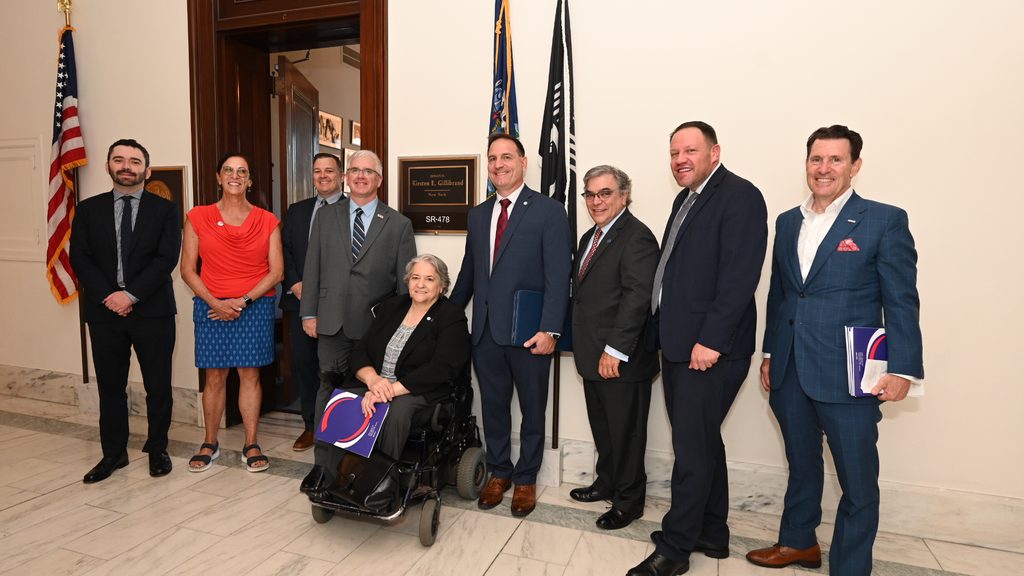
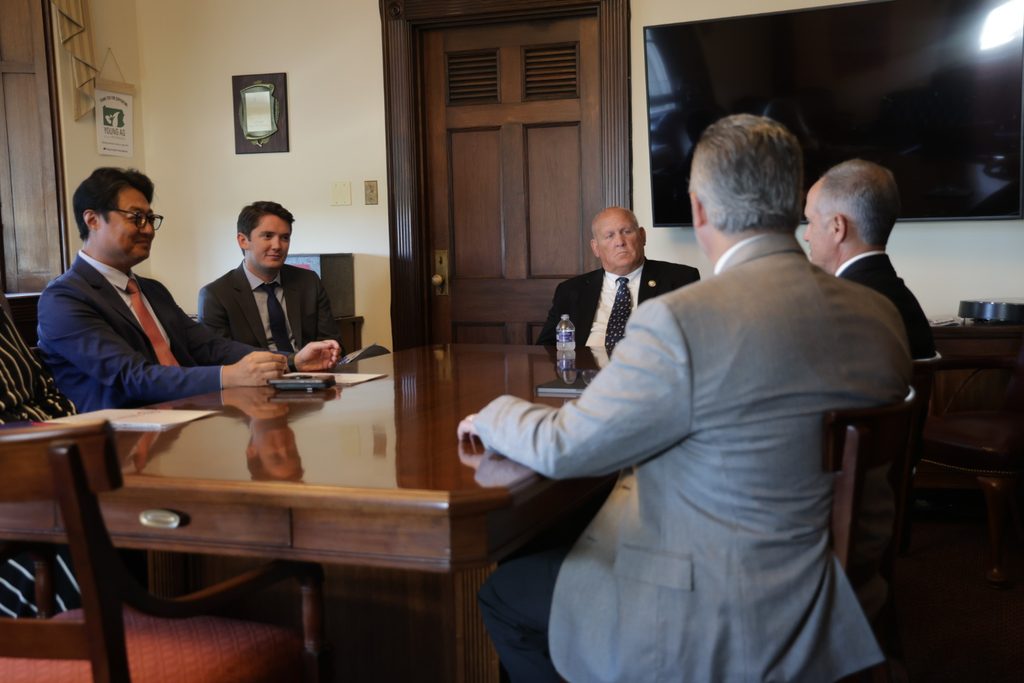
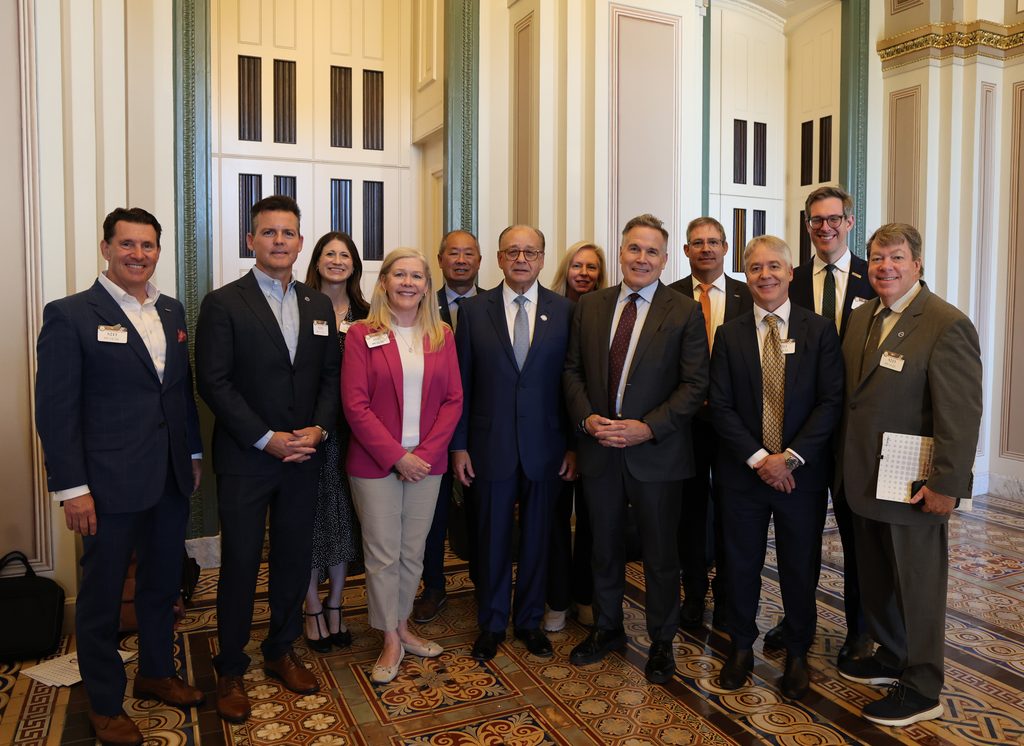
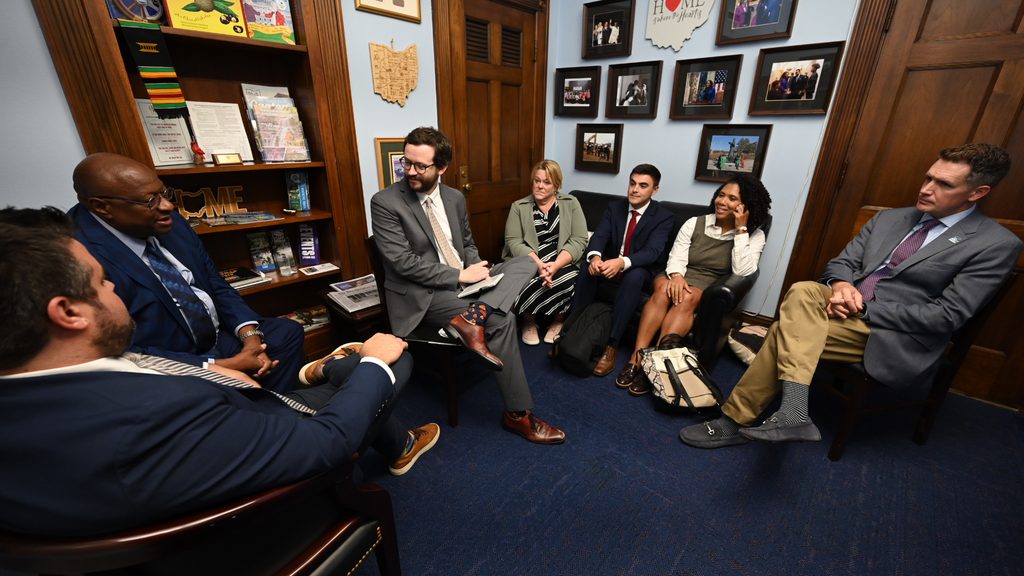
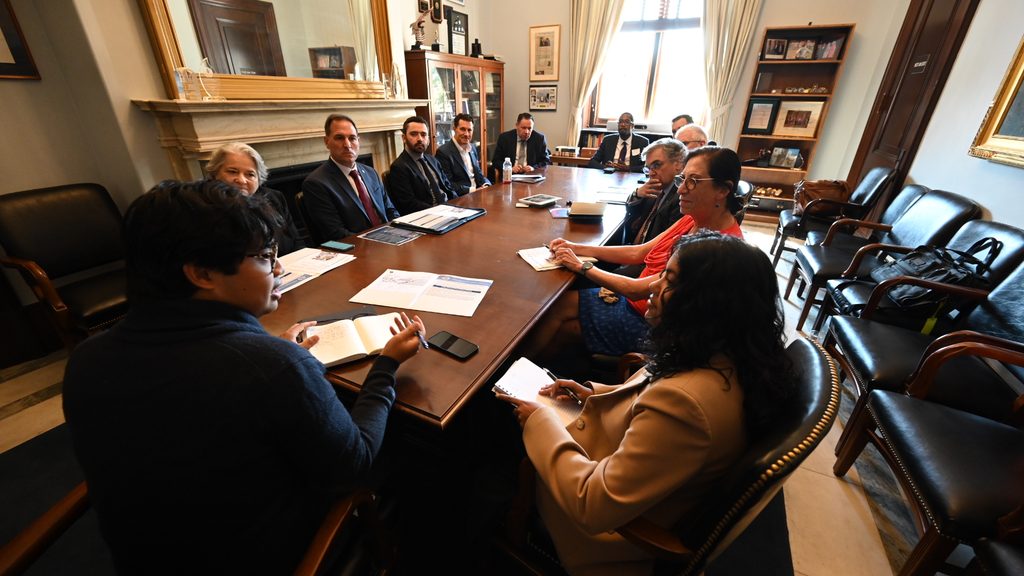
Public transportation leaders from across the U.S. were on Capitol Hill for APTA’s Congressional Fly-In Sept. 16. APTA matched participants with their Members of Congress and scheduled in-person meetings, where participants had the opportunity to press for a restoration of advance appropriations for public transit and passenger rail in the December 2026 Appropriations Act.
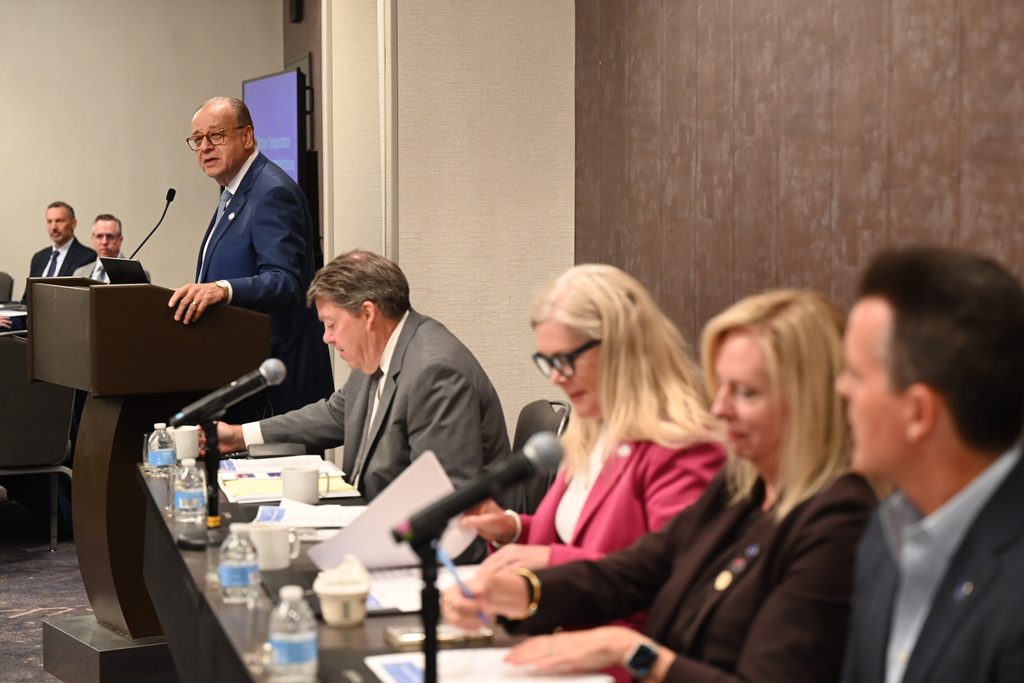
There was a breakfast briefing and training prior to the congressional meetings.
APTA business members, transit agency CEOs and staff, and transit board members met directly with more than 100 Members of Congress and staff, including Sens. John Boozman (R-AR), Dave McCormick (R-PA), Jon Ossoff (D-GA), and Todd Young (R-IN); and Reps. Judy Chu (D-CA), Lloyd Doggett (D-TX), Bill Foster (D-IL), Rick Larsen (D-WA), Delia Ramirez (D-IL), Suhas Subramanyam (D-VA), Glenn “GT” Thompson (R-PA), Dina Titus (D-NV), Eugene Vindman (D-VA), and Daniel Webster (R-FL).
Congress approved legislation extending federal funding and Surface Transportation programs through Dec. 11, 2026, but it does not continue the advance appropriations provided by the Infrastructure Investment and Jobs Act (IIJA).
“Without advance appropriations, public transit agencies, passenger rail providers, and their private-sector partners lose the guaranteed, multi-year funding they rely on to plan, finance, and deliver projects,” said APTA President and CEO Paul P. Skoutelas. “A 20 percent cut to public transit and an 81 percent cut to passenger rail will be felt in communities across the country, from delayed bus and railcar orders to stalled construction and the jobs that depend on them.”
APTA says the consequences of failing to restore advance appropriations are clear:
- Funding cuts. Advance appropriations provide $4.25 billion annually for public transit and $13.2 billion annually for passenger rail. Without them, Buses and Bus Facilities, State of Good Repair, Capital Investment Grants, and passenger rail investments are disproportionately cut.
- Business uncertainty. Transit agencies cannot reliably plan projects or procure equipment, while manufacturers and suppliers cannot confidently manage production, staffing, or supply chains.
- Community impact. Key public transit and passenger rail grant initiatives face significant reductions, with smaller communities and rural towns especially vulnerable.
- Economic impact. Every $1 invested in public transit returns $5 to the economy, and every $1 billion supports more than 41,000 jobs. Of federal transit funding, 77 percent flows to private businesses.
In a July 31 letter to Senate and House leaders, APTA detailed the programs facing disproportionate cuts and urged Congress to continue advance appropriations.
APTA also joined multiple coalition letters supporting USDOT advance appropriations. Senate Democrats have sent three separate letters this year making the same request, and on Aug. 31, bipartisan leaders of the House Problem Solvers Caucus echoed that call.
APTA has published detailed funding tables showing the legislation’s impact, including state-by-state and urbanized-area cuts to public transit formula funds, and separate public transit funding and passenger rail funding tables. These resources can help Members of Congress better understand what the reductions mean for their communities.
APTA’s Surface Transportation Authorization Recommendations call for $138 billion for public transit and $130 billion for passenger rail over five years, providing stable investment to address the more than $150 billion state-of-good-repair backlog and meet growing mobility needs.
Learn more about APTA’s advocacy priorities.