Agencies Invest in Youth with Student Fares
8/26/2026
As students head back to school, many are eligible for free or reduced fares on public transportation—and not just during regular school hours. Leaders at transit agencies where discounts are possible consider it an important investment in youth and community. The following are examples of transit agency policies for reduced or free student/youth fares, how they are funded, and what industry leaders have to say about them.
Sacramento Regional Transit District: SacRT provides fare-free transit for youth grades TK-12 through the RydeFreeRT Program, funded in part by partner jurisdictions and school districts. Cards are distributed through schools and are available year-round. Students show the card when boarding for free transportation, including during school breaks and outside of school hours.
“RydeFreeRT continues to be one of the most impactful programs SacRT has ever offered,” said General Manager/CEO Henry Li. “By providing access to safe, reliable public transit at no additional cost to youth in the Sacramento region, we are removing transportation barriers and creating more opportunities across our region.”
“RydeFreeRT is an investment in our youth and in the future of our communities,” said SacRT Board Chair and Elk Grove Mayor Bobbie Singh‑Allen.
Northern Illinois Transit Authority (NITA): Across the Chicago region, the Chicago Transit Authority (CTA), Metra, and Pace are coordinating on a more consistent and affordable student fare program. The agencies will provide free rides on the first day of school, sponsored by Butcher Boy Cooking Oils. In addition, further funding provided through the NITA Act is supporting student fares on CTA and Pace that will be standardized at 75 cents per ride, and both will expand student fare eligibility outside traditional school hours and the school year to match Metra’s student fare policy.
“The free rides we provide to K-12 students on the first day of school are small investments into big futures,” said CTA Acting President Nora Leerhsen. “Thanks to funding from NITA, students will ride on CTA for 75 cents at any time of day, year-round, whether they are going to school in the morning or to activities, jobs, or programs in the afternoon.”
Metra Executive Director/CEO Jim Derwinski said, “NITA’s work to fund and coordinate fare policies across our three transit systems will increase accessibility and create more opportunities for our youngest riders.”
Similarly, Pace Suburban Bus Executive Director Melinda Metzger said, “Lowering Pace’s student fare from $1 to 75 cents will make a meaningful difference for families while giving students more opportunities to travel independently throughout the region.”
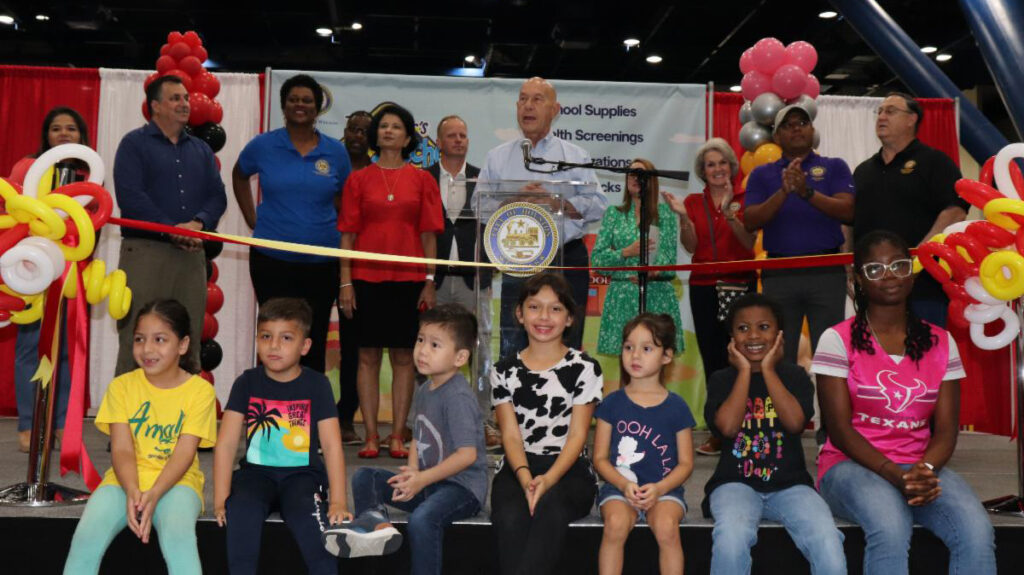
Metropolitan Transit Authority of Harris County: METRO partnered with the City of Houston to provide free transit to and from a Back 2 School & Health Fair. Families that registered for the event received a free one-day METRO Flash Pass, valid for unlimited round-trip travel for up to four people. Throughout the year, K-12 students are eligible to ride METRO services for half price.
METRO Board Chair Elizabeth Gonzalez Brock said, “As someone who used public transportation to get to school growing up, I understand the important role transit can play in connecting people to education and opportunity. When families don’t have to worry about how they’ll get there, they can focus on what matters most—helping students start the school year ready to learn.”
Alameda County Transportation Commission: For the11th year, Alameda CTC and partner agencies—Alameda-Contra Costa Transit District (AC Transit), Livermore Amador Valley Transit Authority (Wheels), and Union City Transit—are continuing the Student Transit Pass Program. The program provides students in grades 6–12 with unlimited free bus rides as well as discounted Bay Area Rapid Transit (BART) fares. The program is made possible largely by Measure BB, a voter-approved transportation sales tax.
“Every student deserves reliable transportation to get to school, jobs, and the opportunities that help them succeed,” said David Haubert, Alameda County supervisor, District 1, and chair of Alameda CTC and LAVTA Wheels.
Educators describe the program as an investment in opportunity. “We had several families tell us that they had not sent the student to school because of a lack of bus fare. So having transit passes really impacts attendance and family resources,” said Justin Hinojoza, a Student Transit Pass Program site administrator at Frick Middle School.
Union City Transit Manager Steve Adams noted that the program also helps students become lifelong transit supporters and alleviates the need for parents to drive students as much.
King County Metro: In the Puget Sound, WA, all youth 18 and younger ride transit for free. The program was launched in 2022 and funded by the Move Ahead Washington statewide transportation funding package.