New Maryland Railcars Support Local Jobs
1/8/2026
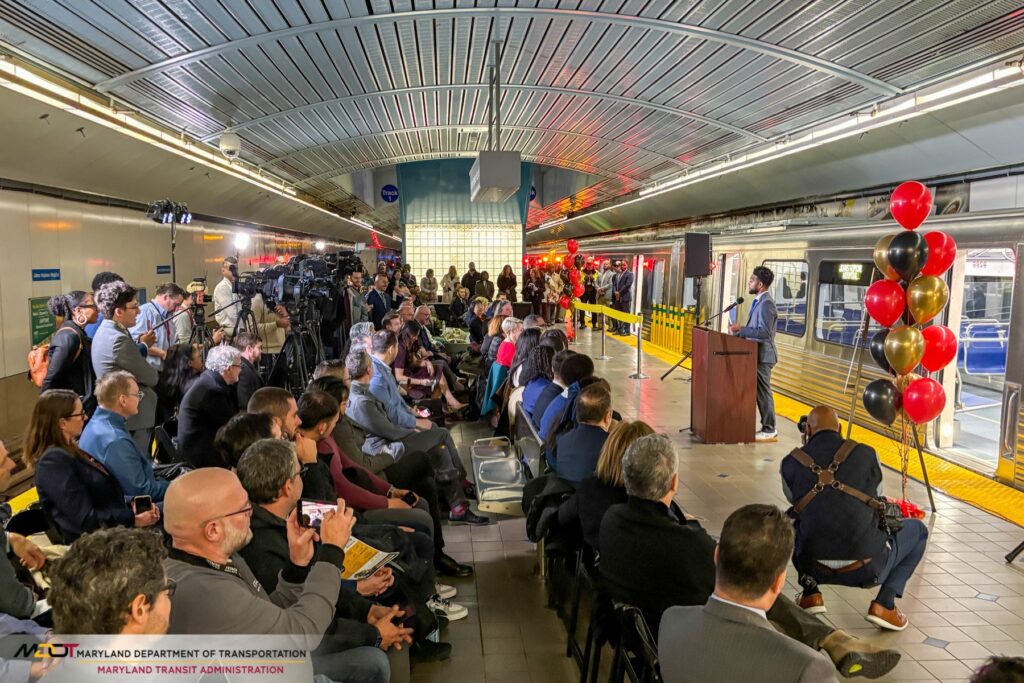
Fleet renewal is one of the most visible—and consequential—investments a public transit agency can make. In Baltimore, that investment is now a reality. The Maryland Department of Transportation Maryland Transit Administration (MDOT MTA) has placed the first six new Hitachi-built subway cars into passenger service, marking a major milestone in the modernization of the region’s rapid transit system.
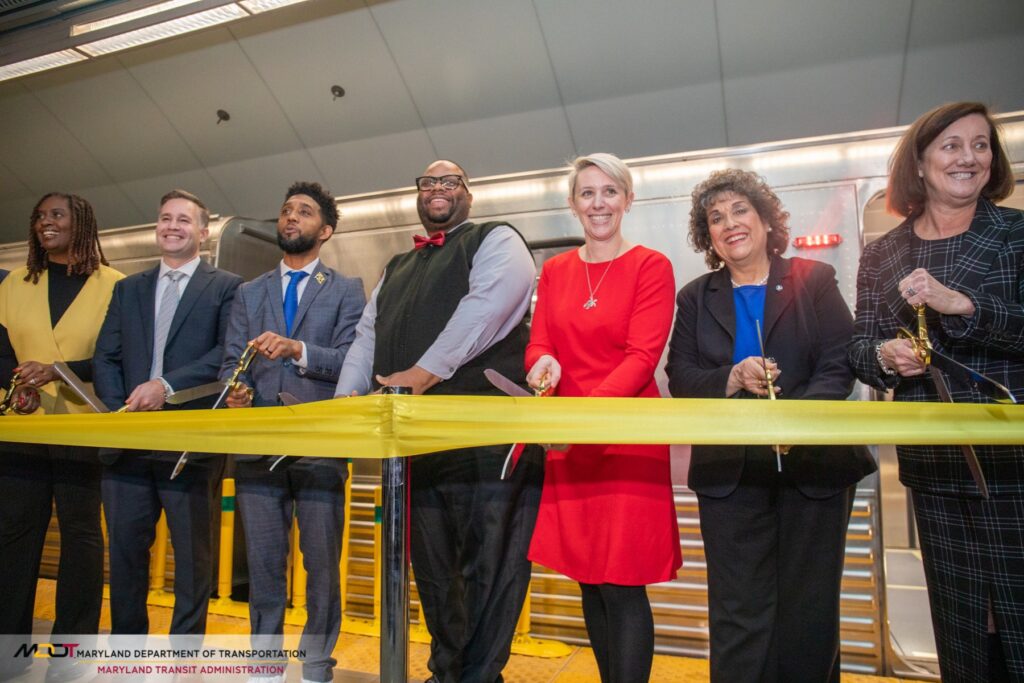
State and local leaders, including MDOT Acting Secretary Kathryn Thomson and MTA Administrator Holly Arnold, marked the occasion with a ribbon cutting at the Johns Hopkins Metro Subway Station. The moment was more than ceremonial: it signaled the beginning of a long-anticipated transition to a safer, more reliable, and more customer-focused fleet—one that is also proudly Maryland-made. The railcars were assembled in Hagerstown, MD, at Hitachi’s manufacturing facility, reinforcing the link between transit investment and local economic development.
“Federal Team Maryland has consistently fought to invest in modernizing infrastructure, working to deliver more than $400 million in federal funding to support this fleet of new Maryland-made rail cars,” said Sen. Chris Van Hollen (D-MD). “These new rail cars will provide safer, more reliable, and more comfortable service for thousands of daily commuters in Baltimore.”
The new metro cars arrive as part of a broader commitment by Gov. Wes Moore and Lt. Gov. Aruna Miller to modernize Maryland’s transit network. The Administration has committed more than $1 billion to light rail and metro improvements, including new vehicles, upgraded train control systems, station enhancements, and expanded frontline staffing to improve service quality and reliability.
For riders, the benefits of the new railcars are immediate and tangible. The vehicles feature larger windows, brighter lighting, expanded bike space, and improved digital signage. Wider doors and reconfigured interiors are designed to speed boarding and reduce dwell times, supporting better on-time performance. Energy-efficient lighting, upgraded passenger information displays, and a modern audio announcement system further enhance the customer experience.
“These new railcars represent an important investment and commitment to our riders and our region’s economic vitality,” said Acting Secretary Thomson. “This is far more than a fleet replacement—it is a generational investment in creating a modern, reliable, and safe transportation network that residents and employers can rely upon.”
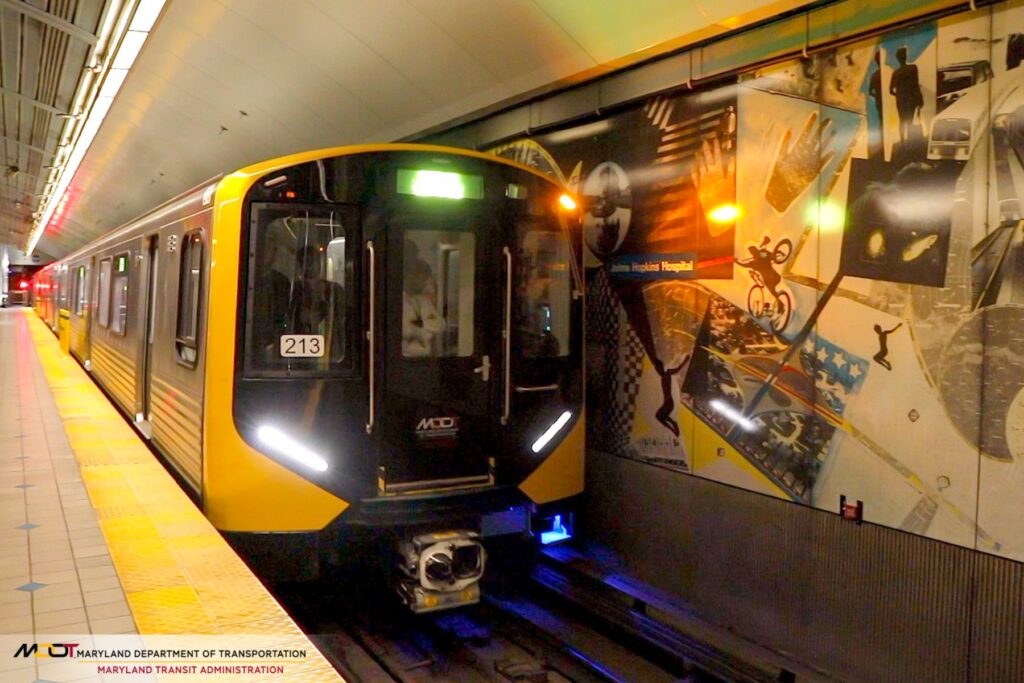
The fleet rollout also coincides with the debut of a new communications-based train control and signal system. This technology allows trains to communicate in real time, improving operational efficiency, reliability, and system capacity.
“Our riders and our region deserve a reliable, modern transit system,” said Administrator Arnold. “By investing in new, state-of-the-art railcars, we are connecting communities and delivering on our promise to provide fast, reliable, and safe transit service.”
Additional railcars will be introduced throughout 2026, with the full fleet of 78 new vehicles expected to be complete by 2027. Each car undergoes extensive testing before entering service, ensuring performance and safety standards are met from day one.
For transit agencies nationwide, Maryland’s progress underscores the value of sustained investment in fleet modernization and advanced signaling. New vehicles do more than replace aging assets—they reshape the rider experience, strengthen operational resilience, and reaffirm transit’s role as a catalyst for regional mobility and economic growth.