RTC Strategy Improves Safety, Produces Life-Saving Results
10/20/2026
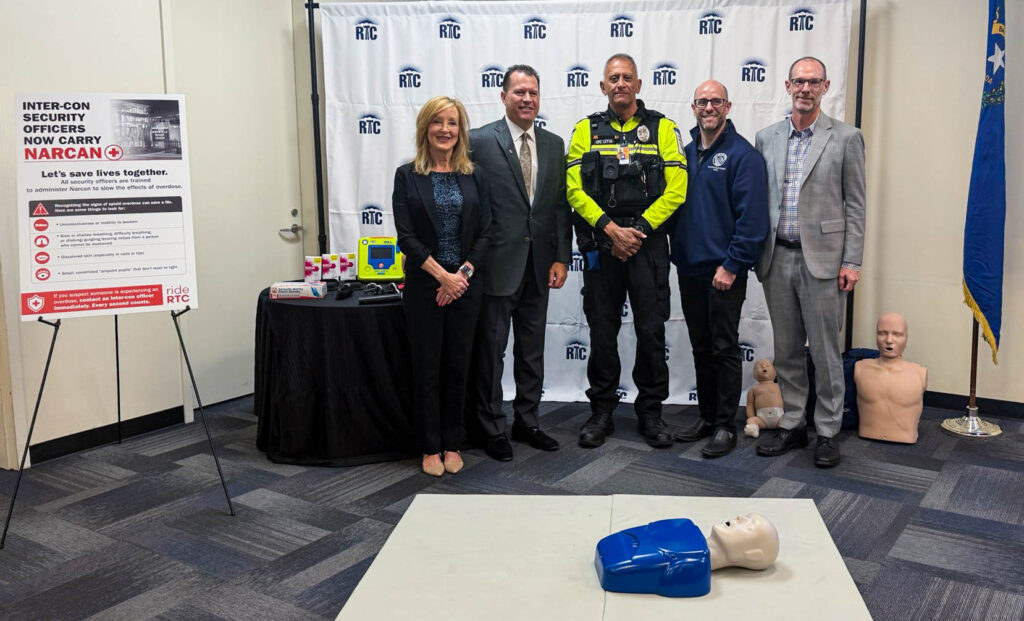
The Regional Transportation Commission of Southern Nevada (RTC) says a coordinated approach to safety—combining employee training, security personnel, technology, and agency partnerships—is producing measurable life-saving improvements across the system.
Over the past year, passenger-on-operator assaults have fallen nearly 29 percent, from 28 incidents to 20, while verbal assaults declined nearly 46 percent, from 166 to 90. RTC cited its expanded security presence, annual de-escalation training, and enforcement tools authorized under Nevada Senate Bill 290, which allows for the removal of disruptive passengers, as contributing factors.
“The RTC Board has made safety and security a top priority, and these results show that RTC’s investments in trained officers, technology, and strong partnerships are making a measurable difference,” said RTC Board Chair Justin Jones.
Through a partnership with the Southern Nevada Health District, RTC-contracted security officers have received overdose-response training and Narcan. The officers have responded to 19 suspected opioid overdoses since July 2026.
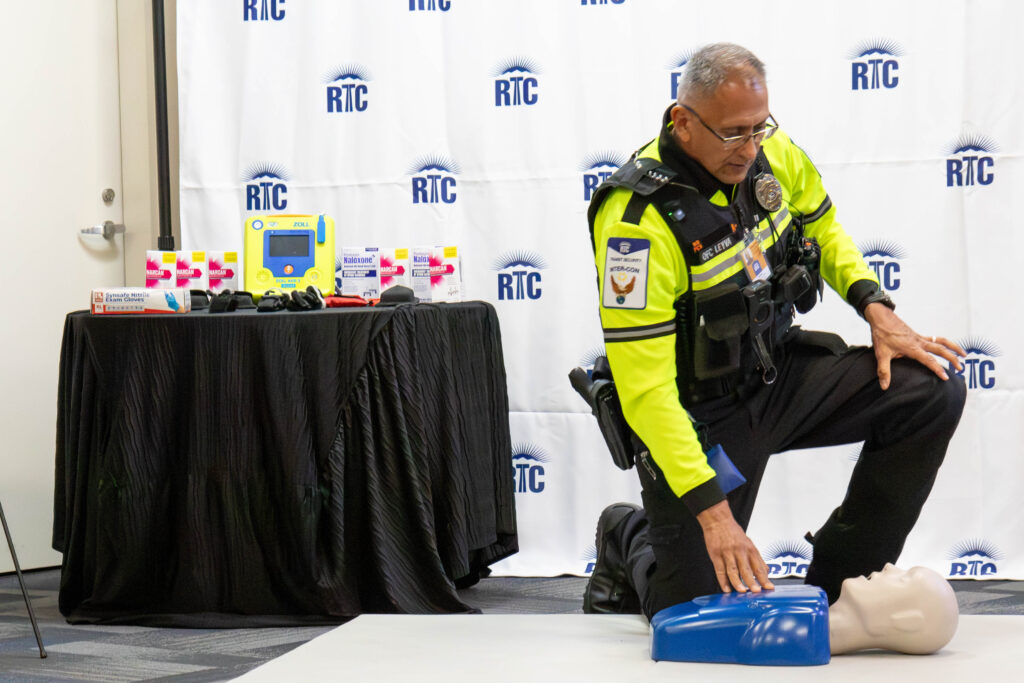
“By giving security officers the training and tools to recognize and respond to an overdose, we are helping make our transit system—and our community—safer and stronger,” said RTC Board member and Las Vegas City Councilman Brian Knudsen.
RTC’s approach includes collaboration with both the Las Vegas Metropolitan Police Department and federal agencies to strengthen emergency preparedness. For example, a more than $700,000 Transit Security Grant from the Federal Emergency Management Agency is funding a pilot of AI-enabled detection capabilities.
Other tools employed to keep the system safe include GPS-enabled panic buttons, weapons-detection technology, and the rideRTC See & Say reporting platform. RTC’s security program received APTA’s 2025 Bus Security Gold Award.