The Foundation Behind the Transition
By Kristin Warsinski | 10/6/2026


KRISTIN WARSINSKI
Chief Executive Officer
Riverside Transit Agency
Riverside, CA

A notable change happened overnight at Riverside Transit Agency (RTA), but years of preparation made it possible. As contracted transit services transitioned in-house on July 1, RTA welcomed nearly 150 new team members, marking the beginning of a new chapter for the agency. Behind the scenes, RTA spent months recruiting, training, and onboarding employees, while also making long-term investments in its workforce and leadership practices. When the transition took effect, which is one of the most significant operational transitions in RTA’s history, it demonstrated the value of that preparation.
The reality is that the change was big. The agency experienced a 30 percent increase in its workforce in a short period of time, bringing total employment to nearly 650. A change of this scale could easily create dis-ruption, division, and uncertainty. The good news is the transition went smoothly and was highly successful. The agency saw high satisfaction among transitioned employees, with most reporting a positive onboarding experience.
Over the last three years, RTA has focused on transformational workforce development initiatives designed to strengthen trust between leadership and staff. That work played an important role during this transition. The agency intentionally created an environment where employees are encouraged to share feedback, raise concerns, and celebrate successes together. These efforts have helped build a workplace grounded in teamwork, accountability, and a shared purpose.
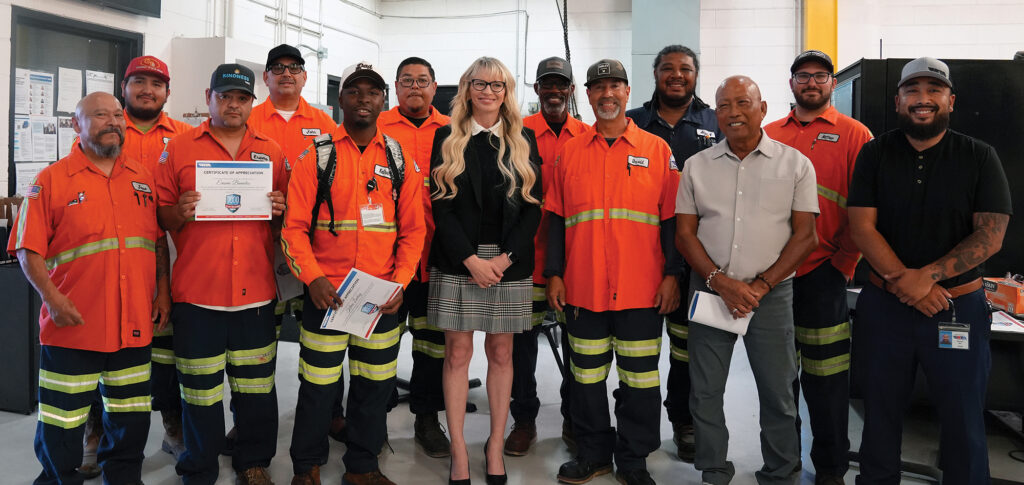
A strong organizational culture begins internally and is demonstrated every day through leadership, communication, teamwork, and decision-making. It shapes how employees interact with one another and how the agency serves the community.
One of the agency’s key takeaways from this experience is that organizational strength is built before it is tested. Three years ago, leadership began a deliberate effort to improve day-to-day operations by encouraging questions and feedback. Leadership encouraged psychological safety in all aspects of the organization. This did not mean that people were not held accountable. When you give people a clear vision and a shared understanding of the agency’s goals, values, and mission, they know what they’re aiming for and are more successful in carrying out the mission. Those efforts helped create a workforce that was prepared to navigate a major transition successfully.
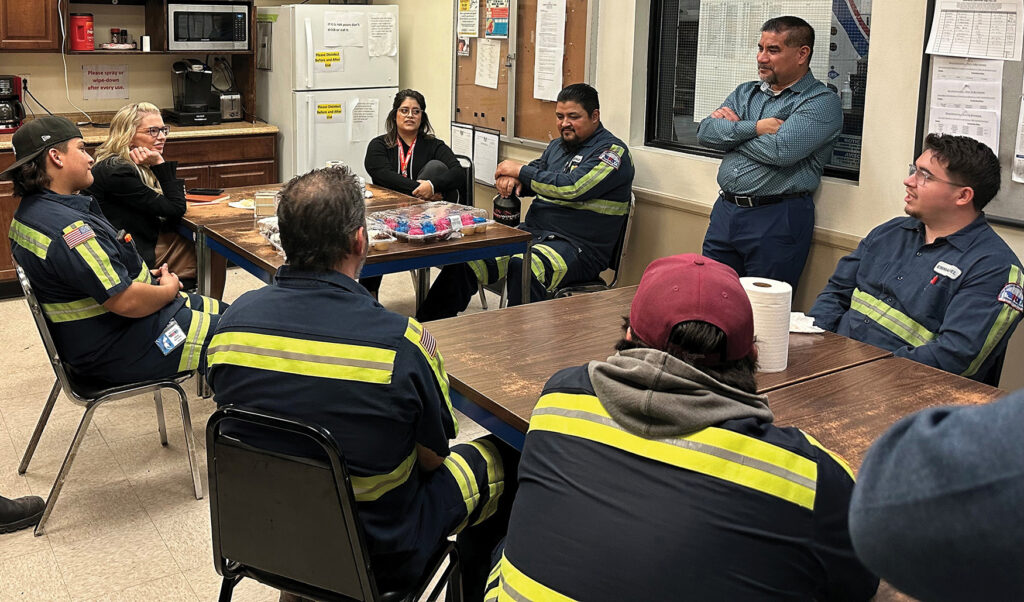
Bringing contracted services in-house became a meaningful test of the agency’s foundation. Had RTA created an environment to successfully welcome, integrate, and support a large number of employees? The answer is yes. Teams across the organization worked together to navigate the change with confidence and success.
A strong workplace culture takes time to cultivate. It is the result of sustained investment in people, relationships, and leadership. When significant challenges or opportunities arise, that foundation enables employees and the organization to respond with trust, resilience, and collaboration.
RTA’s story is still being written. While years of preparation laid the foundation for this transition, the agency’s real strength is shown in our daily commitment to building a thriving workplace now and into the future. Culture is never finished and the work of shaping a strong workplace continues every day.