CTDOT Breaks Ground on Major Rail Infrastructure Project
8/3/2026
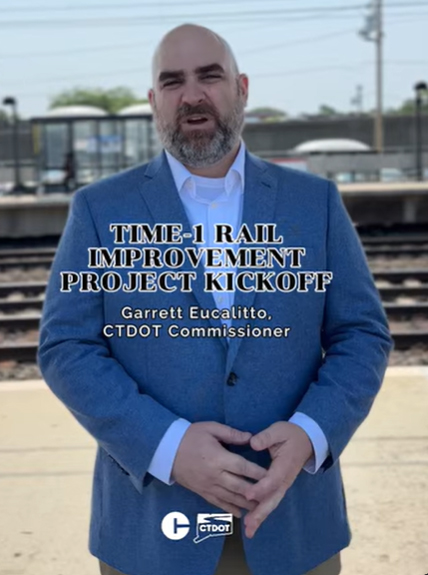
A recent groundbreaking ceremony in Stratford, CT, marked the start of construction on a major initiative to rebuild, improve, and expand Connecticut’s rail network. The project will modernize sections of the New Haven Line, creating the infrastructure necessary to deliver faster, more frequent, and more reliable rail service between New Haven and New York City—the busiest individual commuter rail line in the U.S.
The three-phase, $1.6 billion TIME-1 project is the largest component to date of the TIME FOR CT initiative. CTDOT expects the investment to improve reliability for Metro-North Railroad, Amtrak, freight operators, and the approximately 100,000 passengers who travel on the New Haven Line each weekday.
When TIME-1 is completed in 2035, maximum train speed will increase to 90 miles per hour in designated sections. Faster speed and additional upgrades will reduce travel time between New Haven and New York by approximately 25 minutes.
“We are building the rail system Connecticut needs for the future—one that gets people where they are going faster, delivers more reliable service, and provides modern, accessible stations,” said Connecticut Transportation Commissioner Garrett Eucalitto.
The first phase of the TIME-1 project will support approximately 125 jobs as crews install new catenary structures, add turn outs, replace a bridge, upgrade track and signal infrastructure, and add new track connections along a three-mile section. Funding has been provided by FRA, the State of Connecticut, and Amtrak.
“Faster trips, greater reliability, and a better experience for every passenger are three major reasons why Amtrak is thrilled to support the improvements being made through TIME FOR CT,” said Jennifer Mitchell, Amtrak executive vice president, strategy, and planning.
The overall TIME FOR CT program represents an investment in rail infrastructure and fleet, bridge replacements, and service improvements. Ongoing work includes bridge replacements and modernization of the power, signal, and communications systems that support passenger rail service.