Leaders Navigate Public Transit Landscape at APTA Transit Board Members & Board Administrators Seminar
7/21/2026
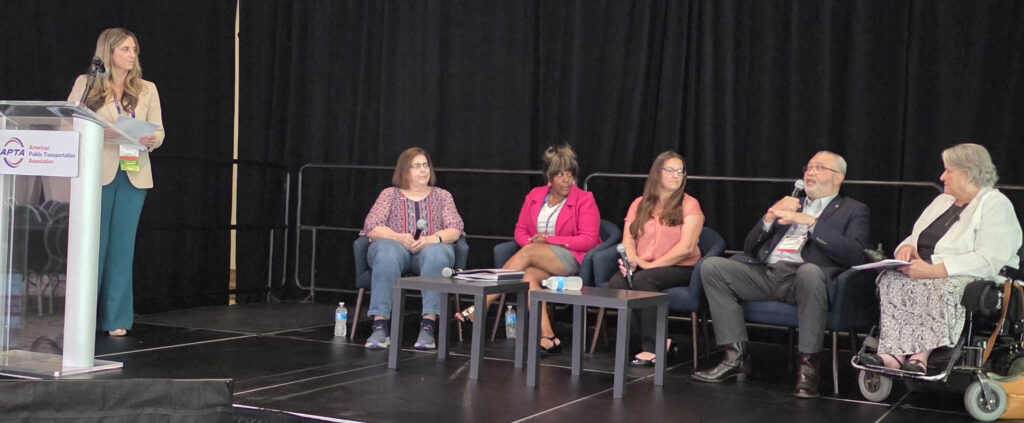

One of the defining features of APTA’s 2026 Transit Board Members & Board Administrators Seminar, held July 17-20 in Detroit, MI, was the opportunity for transit board members and administrators to move beyond presentations and engage in candid peer-to-peer discussions on some of the industry’s most pressing challenges.
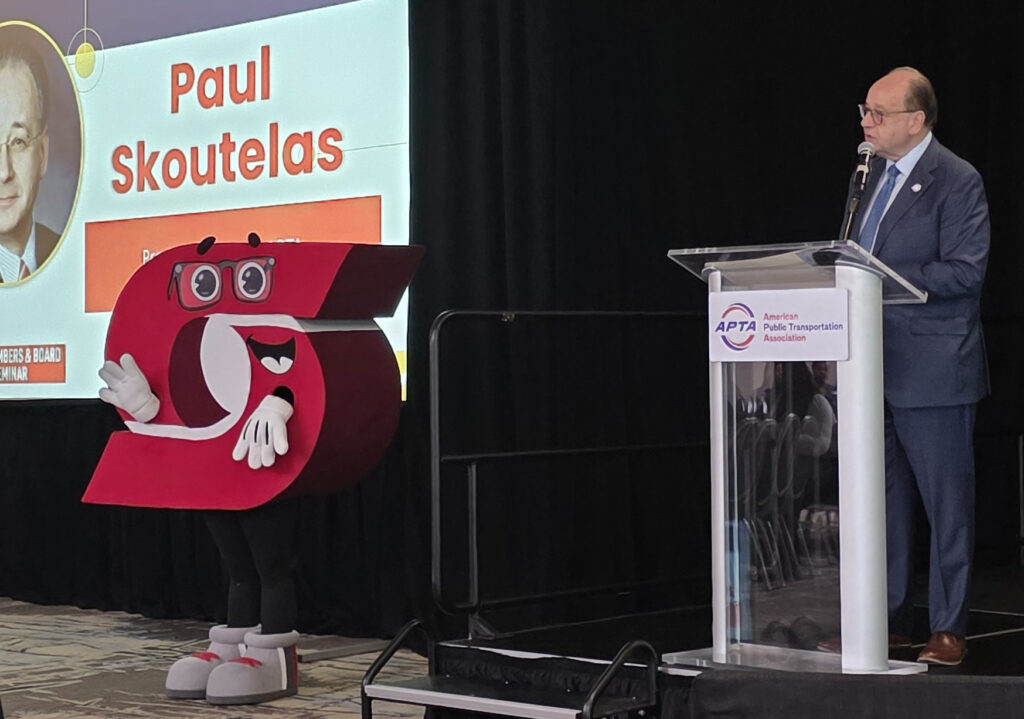
In his opening remarks, APTA President and CEO Paul P. Skoutelas emphasized that transit board members and administrators are essential to the future of public transportation, building public trust through strong governance and strategic leadership. He highlighted the transformative impact of Infrastructure Investment and Jobs Act (IIJA) investments, the industry’s success in supporting record-breaking World Cup ridership, and transit’s $102 billion economic footprint. With the IIJA set to expire, Skoutelas urged continued advocacy for a new, well-funded, multi-year surface transportation law, stressing that board leaders play a vital role in demonstrating transit’s value and return on investment.
Among the seminar’s most popular sessions were interactive tabletop discussions focused on financial sustainability, transit-oriented development (TOD), ADA/paratransit, and zero-emission vehicles. Participants explored strategies for addressing the industry’s looming fiscal cliff, including the future of traditional funding sources and the need to identify sustainable new revenue streams.
TOD discussions highlighted the growing complexity of development projects, with market conditions increasingly shaping investment decisions. Participants also suggested establishing separate nonprofit entities to help manage TOD initiatives. Paratransit discussions emphasized driver training while exploring how emerging technologies—including autonomous vehicle services such as Waymo—could reshape mobility options. Conversations about zero-emission vehicles examined how evolving technologies may influence long-term fleet investments.
The seminar also introduced a new format that generated enthusiastic feedback: “60 Minutes to Better Governance: TBM Peer Exchange.” Presented in a TED Talk-style format, the session featured Lee Burner of Long Beach Transit, Patricia Gillum Sams of Jacksonville Transportation Authority, Kammy Horne of Austin Transit Partnership, and Margaret Abe-Koga of Santa Clara Valley Transportation Authority. Panelists shared their paths to board service, the rewards of public leadership, and practical advice for current and future board members.
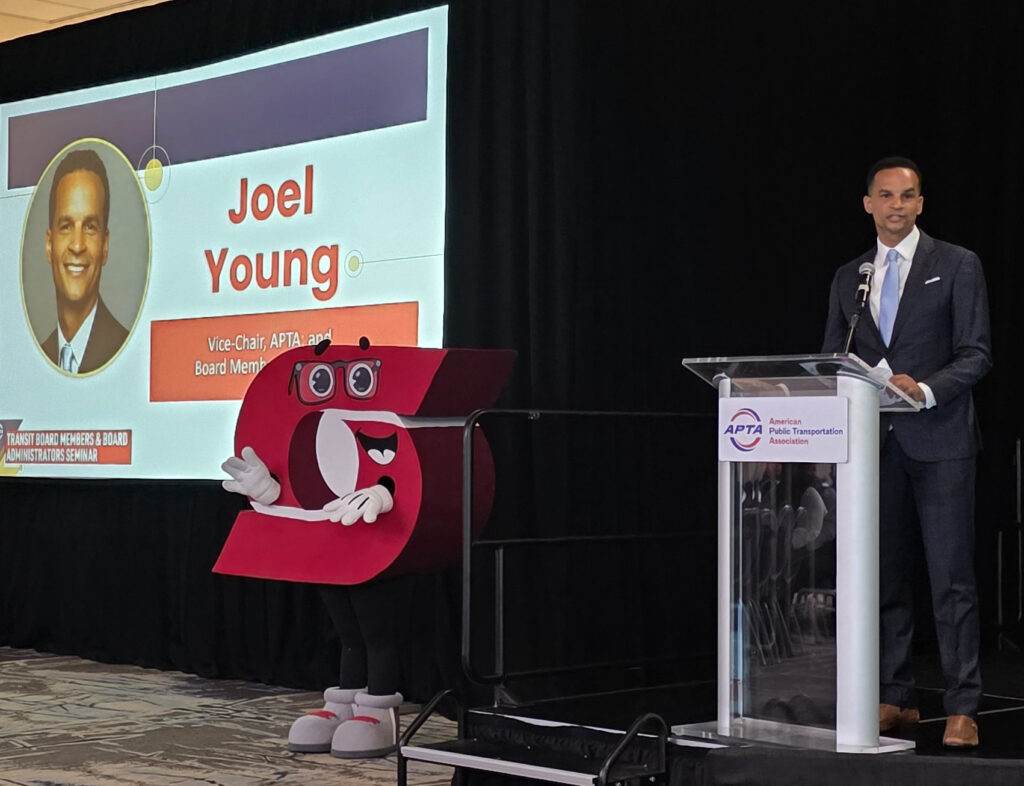
Another well-attended session, “Two Games, One Goal: Lessons Learned from the Super Bowl and World Cup,” examined how transit agencies planned for major sporting events. Speakers from Kansas City Area Transportation Authority, Santa Clara Valley Transportation Authority, and Dallas Area Rapid Transit described record ridership, extensive interagency coordination, and public transportation’s critical role in moving thousands of visitors safely and efficiently. Joel Young, APTA vice-chair and board member, AC Transit, moderated the session.
Safety and public confidence remained central themes during “Clean, Safe, and Reliable Transit for All.” Panelists discussed strategies including rider reporting apps, supplemental law enforcement, AI-assisted facial recognition to identify prohibited riders, and proactive communications through social media and community outreach. Speakers also emphasized the importance of crisis communication training.
Sessions on ethics and procurement oversight prompted lively discussion on executive session rules, personal devices, Narcan policies, board communications, and the growing role of artificial intelligence in governance. Procurement experts also reviewed significant changes to the federal Disadvantaged Business Enterprise (DBE) program, encouraging agencies to strengthen supplier relationships, support small businesses, and ensure board members understand evolving federal requirements while maintaining effective oversight.