Public Transit Scores Big During World Cup
7/16/2026
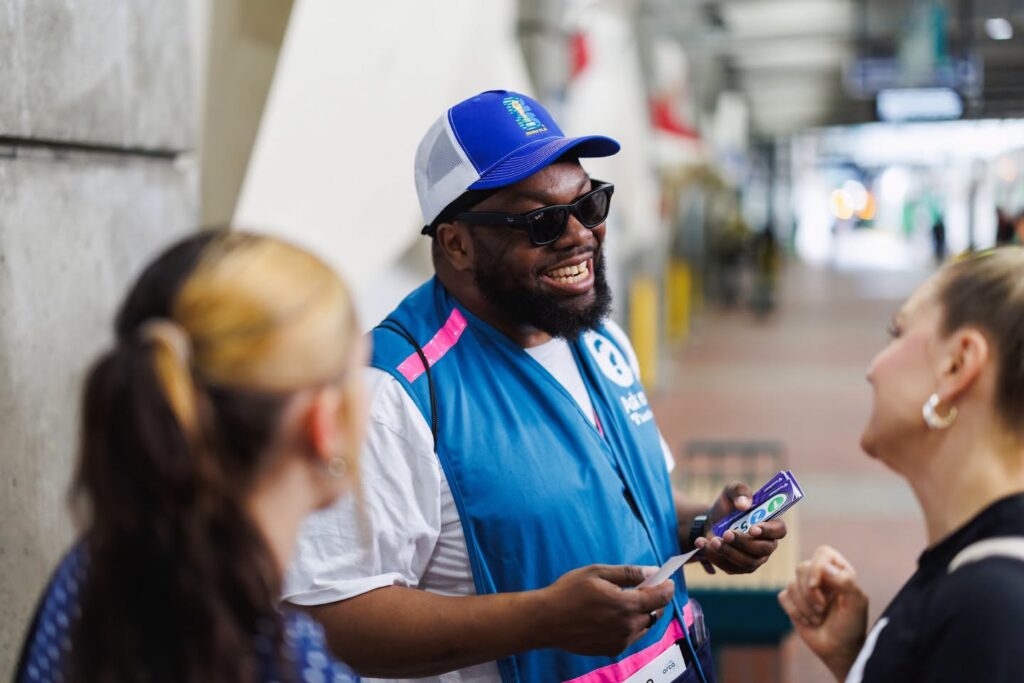
Public transit agencies across North America are reporting strong results from their World Cup 2026 operations, moving hundreds of thousands of fans to matches, fan festivals, and downtown celebrations while providing convenient alternatives to driving.
In Seattle, WA, Sound Transit said Link light rail set all-time monthly and single-day ridership records during the tournament. Revised preliminary reports show 5.4 million boardings in June and approximately 309,000 boardings July 6, the day of the United States-Belgium match. The agency reported more than 200,000 boardings on each of Seattle’s six match days and said it operated 174 light rail vehicles on 46 trains, providing all-day peak service on match days for the first time in agency history.
“These new ridership records are a resounding endorsement of the value light rail adds to our region and its quality of life,” said Sound Transit CEO Dow Constantine. “From supporting World Cup festivities and Pride celebrations to more local commutes and trips that meet day-to-day needs, our growing light rail system isn’t just setting records, it’s changing the way people get around the region.”
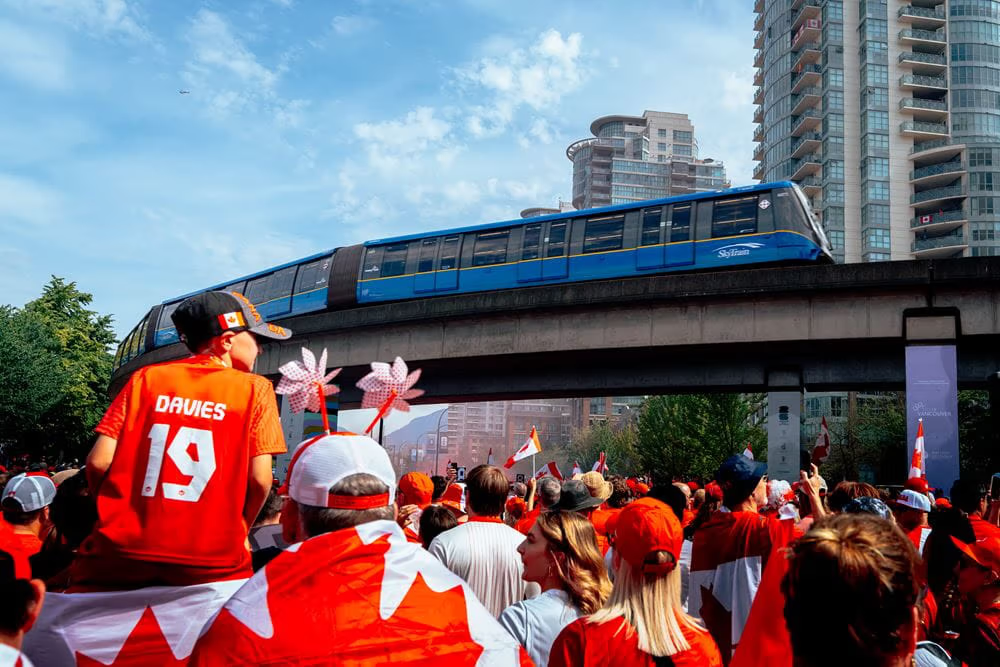
In Metro Vancouver, BC, TransLink said public transit was the backbone of the region’s World Cup experience. Preliminary figures showed more than 600,000 additional boardings during the seven match days at BC Place Vancouver. Across those match days, the system handled 8.16 million boardings, averaging 1.17 million boardings per match day, about 87,000 more than usual. SkyTrain stations near BC Place saw an average 54 percent ridership increase on match days, with activity reaching levels not seen in the area since the 2010 Winter Olympics.
TransLink CEO Kevin Quinn credited employees across the system for planning and adapting in real time. “Transit was the backbone of Metro Vancouver’s World Cup experience, and each day there were thousands of employees working around the clock to move extraordinary crowds while keeping the region running,” Quinn said.
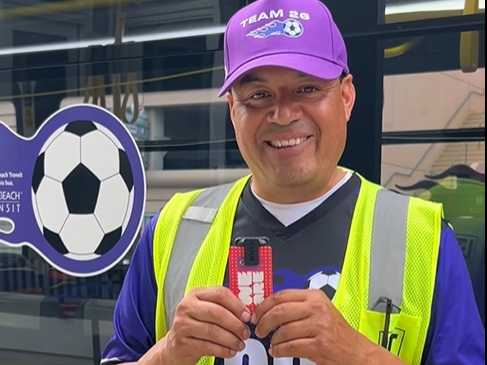
In Southern California, Long Beach Transit completed dedicated match-day service connecting Downtown Long Beach directly to all eight World Cup matches at Los Angeles Stadium. The agency said it transported more than 7,400 customers, averaged 935 customers per match, and operated 193 bus trips, with buses departing every eight to 10 minutes. LBT also reported strong customer satisfaction, with more than nine in 10 customers saying they would recommend the service and approximately 90 percent saying it was very easy to use.
“Long Beach Transit proudly connected our community to one of the world’s largest sporting events,” said Kenneth A. McDonald, president and CEO. “This service represented more than public transportation; it was an opportunity to demonstrate the professionalism, teamwork, and dedication of our employees.”
In South Florida, Tri-Rail served as a key transportation partner for seven World Cup matches in Miami and Fan Festival events and reported record-breaking ridership during the tournament. “One of my favorite moments was seeing families, friends, and fans from so many different countries traveling together on Tri-Rail,” said Interim Executive Director Diane Hernandez Del Calvo. Tri-Rail and Miami-Dade Transit’s efforts are featured in a “Transit Unplugged TV Special” YouTube video.
In Kansas City, MO, KC Streetcar’s June record ridership was linked not only to Fan Festival events and matches, but other destinations—making up nearly three-quarters of the month’s trips. KC Streetcar Authority Executive Director Tom Gerend said, “Record ridership, and the fact that 75 percent of trips occurred outside the FIFA Fan Festival zone, demonstrate that our expanded streetcar alignment is delivering lasting value, with improved connectivity benefiting residents, businesses, and visitors across the city.”
The results point to the central role public transportation can play in hosting major international events, helping cities manage large crowds, reduce driving demand, and connect residents and visitors to stadiums, fan zones, hotels, restaurants, and regional destinations.