Skoutelas Highlights Transit Investment at LA Metro D Line Opening
5/13/2026
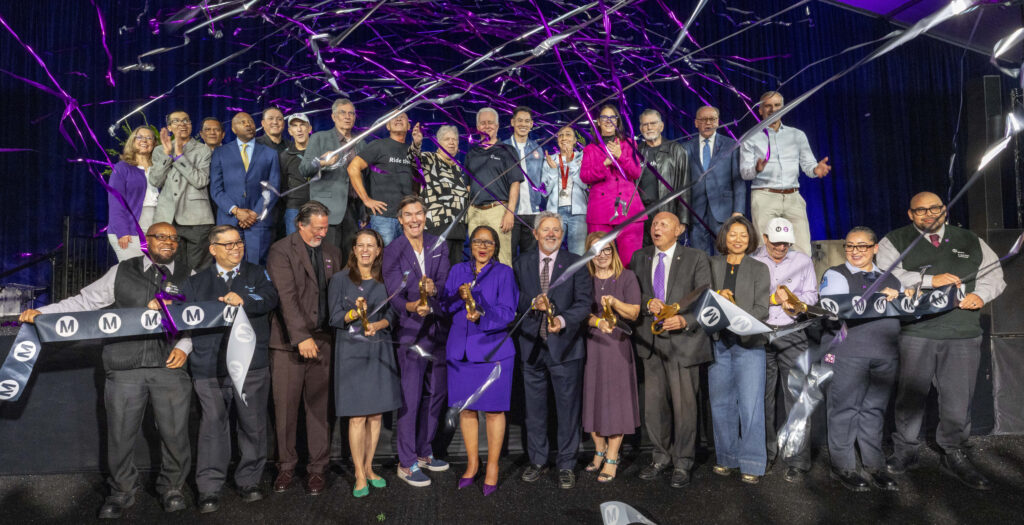

Los Angeles County Metropolitan Transportation Authority (LA Metro) opened Section 1 of its D Line Subway Extension at an event that celebrates three new stations and nearly four miles of new rail that will expand fast, reliable mobility on the Wilshire Boulevard corridor. APTA President and CEO Paul P. Skoutelas joined LA Metro leadership and board members, elected officials, community leaders, and emcee, actor Jerry O’Connell, among others.
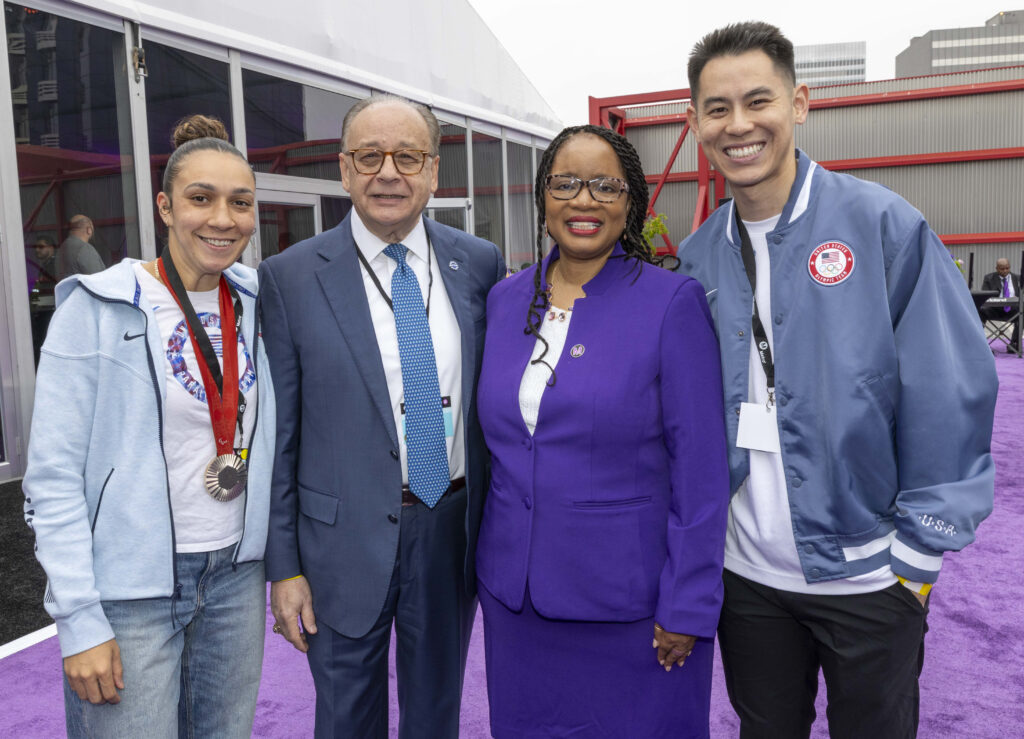
“The extension of the D Line is a monumental step forward for LA Metro and the communities it serves, transforming the lives of daily commuters and visitors alike, and substantially decreasing travel times along one of the busiest avenues in the heart of Los Angeles,” said Skoutelas. “It is the result of a cooperative, collaborative effort by many that began with a vision and a commitment to deliver clean, safe, fast, and affordable mobility for all.”
Projects like the D Line Extension demonstrate how sustained investment in transit strengthens communities and the economy. Skoutelas explained that “every $1 invested in public transit returns $5 to the U.S. economy and almost 80 percent of all federal dollars spent on public transportation flows to the private sector, including to 3,000 American suppliers across all 50 states.”
The extension adds stations in downtown LA to improve access to major destinations including medical centers, museums and cultural institutions, and neighborhoods from Miracle Mile to Koreatown. It will help reduce congestion and connect riders to jobs, education, healthcare, and entertainment.
The broader Downtown-to-West L.A. initiative is designed to support regional growth and improve access ahead of the 2028 Olympic and Paralympic Games. Future sections of the D Line Subway Extension will continue pushing the subway westward, further expanding high-capacity service in one of the nation’s busiest corridors.