Preparing for Severe Weather? See APTA’s Transit Resilience Guidelines
3/6/2026
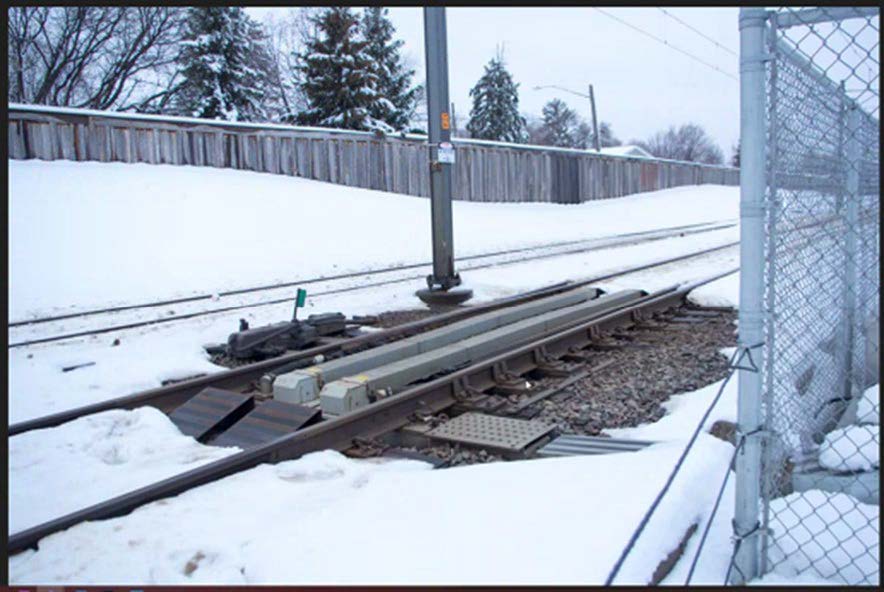
APTA has released its Transit Resilience Guidelines: A Compendium of Adaptive Design and Operations Strategies for Extreme Weather to help transit agencies prepare for and respond to increasingly frequent and severe weather events. Developed by APTA’s Urban Design Working Group, the compendium offers practical guidance for strengthening system resilience.
While transit systems have long operated under varied natural conditions, rising sea levels, heavier precipitation, more intense wildfires, and prolonged periods of extreme heat and cold are creating new operational and infrastructure challenges. Meeting these challenges requires moving beyond traditional “business as usual” approaches to planning, design, construction, operations, and maintenance.
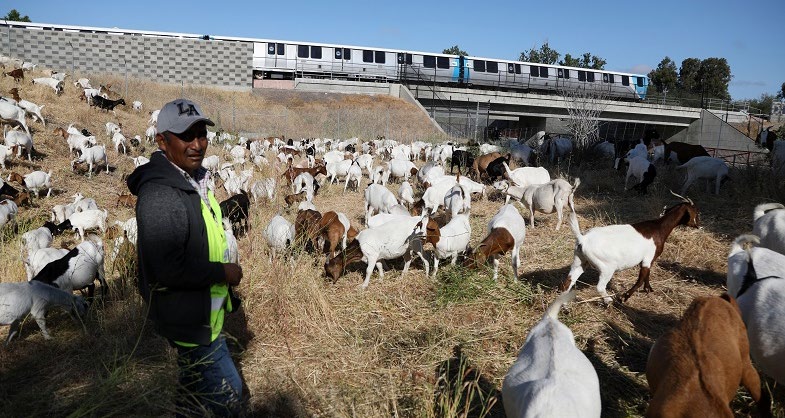
The compendium is organized around the core elements of a transit system: policy and management; system routes, modes, and nodes; infrastructure and facilities; rolling stock and fleet; and operations and maintenance. They present both physical strategies—such as infrastructure improvements—and non-physical approaches, including governance practices, partnerships, funding considerations, and performance metrics. It focuses on five primary weather hazards affecting transit systems: sea level rise, flooding (fluvial and pluvial), wildfire, extreme heat, and extreme cold. Non-weather events, such as earthquakes or pandemics, are outside the scope of this guidance.
The guidelines are intended for agencies that have conducted a climate vulnerability assessment and are ready to evaluate adaptation strategies. Key objectives include reducing risks to life and property, ensuring service reliability and rapid restoration, protecting infrastructure investments, and supporting long-term economic recovery.
APTA’s guidelines, recommended practices, and standards are available for free. Standards are developed by working groups representing the public transportation industry.