The World Cup Is Coming, and Public Transit Is Ready to Move the World
12/4/2025
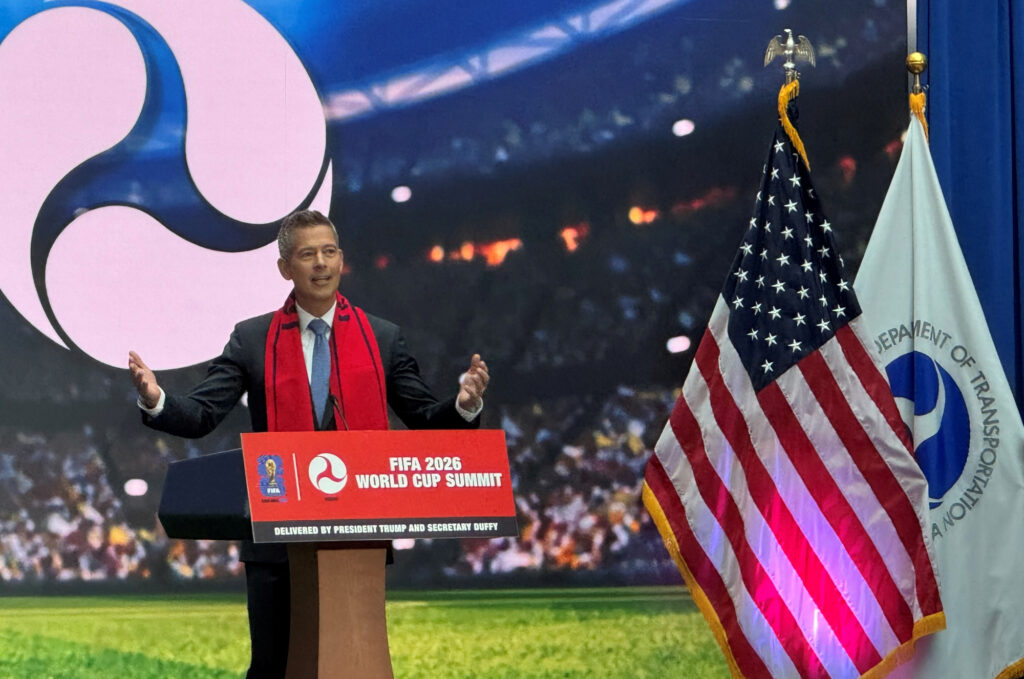
President Trump is to join FIFA President Gianni Infantino and global leaders at the Kennedy Center in Washington, DC, for the World Cup 2026 Final Draw Dec. 5. This will not be just a big day for soccer fans—it is an exciting moment for public transportation. As the world learns the matchups for the first-ever 48-team World Cup, public transit leaders from all 11 U.S. host cities are focused on what comes next: welcoming millions of fans and showing how strong, safe transit systems can help the U.S. shine on the world stage.
In a little more than six months, more than five million soccer fans will flood U.S. cities for the World Cup—a six-week event expected to boost GDP by $9.6 billion, generate $17.2 billion in economic output, and create nearly 185,000 full-time jobs nationwide.
Winning the right to host the World Cup did not happen by chance. The U.S. won a hard-fought, competitive bid process that tested every aspect of its infrastructure. FIFA’s selection of the U.S. and its North American neighbors hinged on transportation readiness—cities needed to prove they could safely and efficiently move hundreds of thousands of fans.
In other words, without strong, modern public transportation systems, the U.S. might never have made the cut.
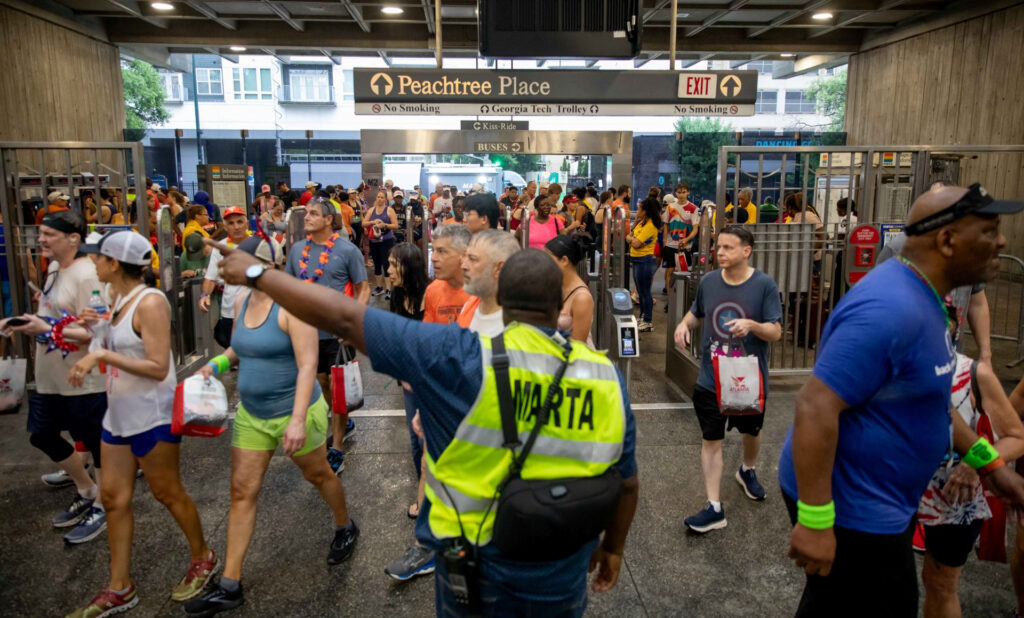
Public transportation didn’t just help the U.S. qualify; it secured the win. Public transit systems such as Atlanta’s MARTA, Seattle’s Sound Transit, and New York’s MTA, for example, convinced FIFA that U.S. cities could handle an event of this magnitude. These same networks will determine whether host cities capture the tournament’s full economic potential—or leave billions of dollars on the airplane home.

More Than Moving Fans: A Multiplier for American Growth
Investment in public transportation does more than move people to stadiums. It fills hotels, packs restaurants, drives retail sales, and keeps local economies humming. Public transportation connects visitors to neighborhoods and businesses, turning a single sporting event into a powerful economic engine.
And public transit investment does not just support major events; it powers the economy every day. Every dollar invested in public transportation produces five dollars in economic returns, multiplying the impact across industries and communities.
Nearly 77 percent of those dollars flow to the private sector, supporting more than 2,000 domestic suppliers and manufacturers. In Erie, PA, for example, Wabtec is building hydrogen-powered locomotives with the help of a $48.4 million federal investment—sustaining 2,200 skilled jobs and creating more than $1 billion in annual economic impact for the region.
Public transportation employs 430,000 people—drivers, engineers, mechanics, dispatchers, and technicians—but the ripple effect reaches several million private-sector jobs. Suppliers, builders, and software developers all rely on the public transportation ecosystem. Each investment strengthens U.S. manufacturing and keeps the nation globally competitive.
A Defining Moment for America and Public Transit
Hosting the 2026 World Cup gives the U.S. a chance to show the world what happens when a nation invests in its public transportation infrastructure that connects people to opportunity. Public transportation made this victory possible, and it will determine how far the benefits go.